
Transforming Smiles, Restoring Confidence
Tooth loss is a common concern for many British adults, affecting not only their ability to eat and speak comfortably but also their self-esteem and overall quality of life. Whether due to decay, gum disease, or injury, missing teeth can have far-reaching consequences on both physical and emotional well-being. However, modern dentistry offers an innovative solution that’s changing lives: All-on-4 dental implants.
This groundbreaking technique provides a full-arch tooth replacement using just four strategically placed implants, offering a fixed and permanent alternative to traditional dentures. If you’re struggling with multiple missing teeth or ill-fitting dentures, All-on-4 implants might be the life-changing solution you’ve been searching for.
In this comprehensive guide, we’ll explore everything you need to know about All-on-4 dental implants, including:
- What exactly are All-on-4 dental implants?
- How do they differ from traditional implants and dentures?
- Who is an ideal candidate for this treatment?
- What does the procedure involve?
- What are the benefits and potential drawbacks?
- How much do All-on-4 implants cost in the UK?
- What can you expect during recovery and aftercare?
By the end of this article, you’ll have a clear understanding of All-on-4 dental implants and be better equipped to decide if this treatment might be right for you. Let’s dive in and discover how this innovative dental solution is transforming smiles across the UK.
What Are All-on-4 Dental Implants?
All-on-4 dental implants represent a revolutionary approach to full-arch tooth replacement. This technique uses four dental implants to support an entire arch of prosthetic teeth, providing a fixed and permanent solution for those missing all or most of their teeth in either the upper or lower jaw.
The Concept Behind All-on-4
The All-on-4 concept was developed to maximise the use of available bone, even in patients with bone loss. By strategically placing four implants – two straight implants at the front and two angled implants at the back – a full arch of teeth can be securely supported without the need for bone grafting in most cases.
Titanium Implants: The Foundation
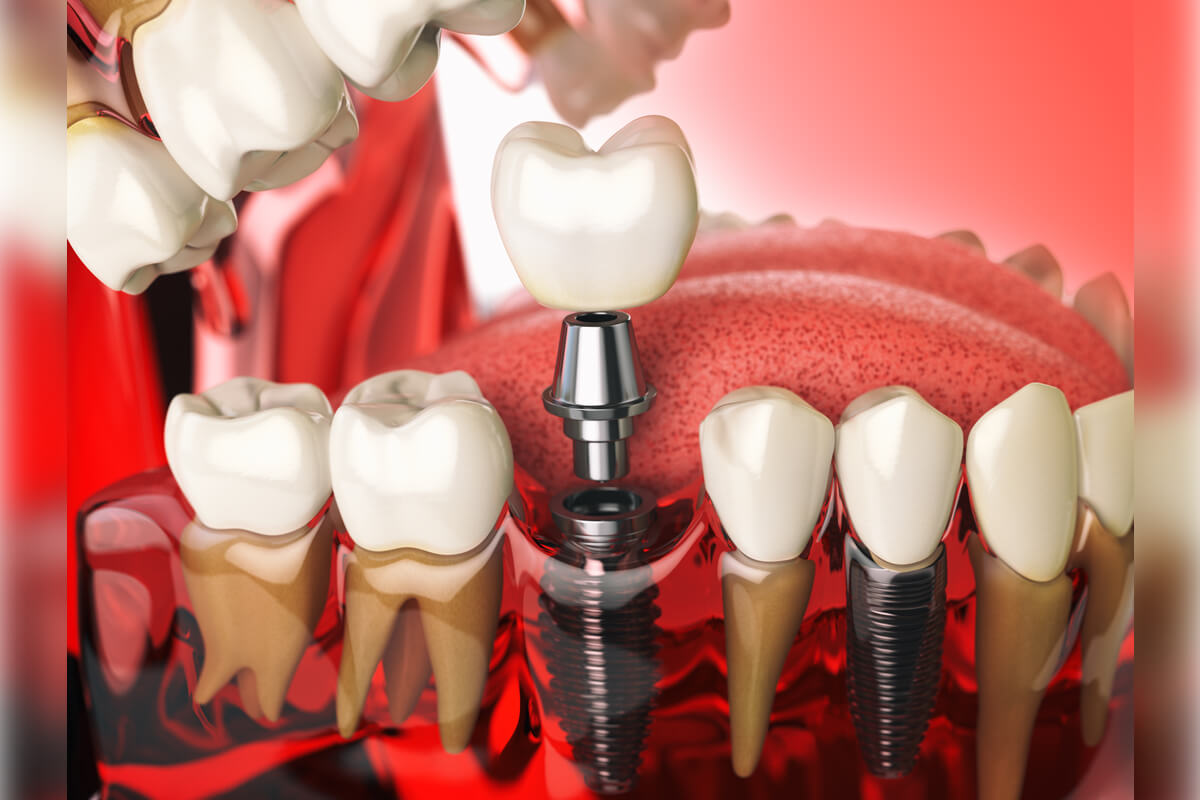
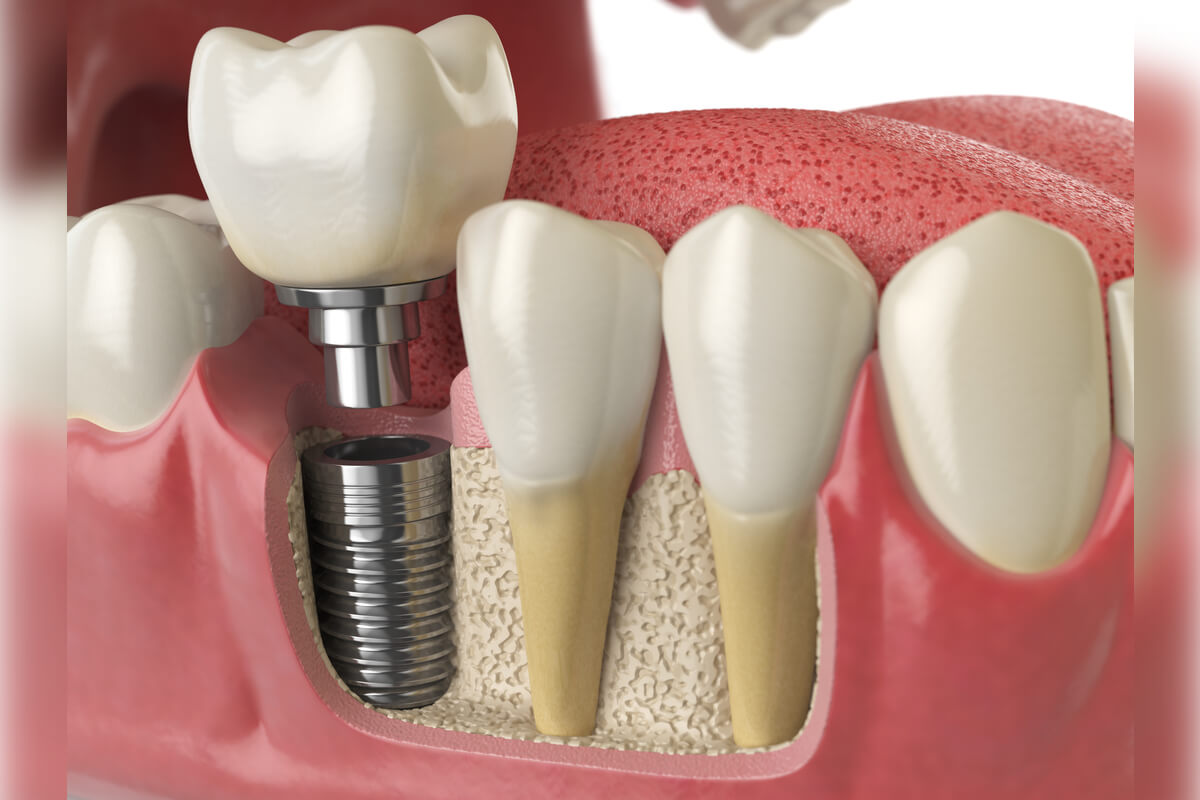
The implants used in the All-on-4 technique are made of titanium, a biocompatible material that integrates well with human bone. These implants act as artificial tooth roots, providing a stable foundation for the prosthetic teeth.
Fixed Prosthetic Arch: The Visible Result
A custom-made prosthetic arch, typically made of durable and natural-looking materials like acrylic or zirconia, is attached to the implants. This arch replaces your missing teeth, restoring both function and aesthetics.
How All-on-4 Differs from Traditional Solutions
To truly appreciate the innovation of All-on-4 implants, it’s helpful to understand how they compare to other tooth replacement options.
All-on-4 vs Traditional Dental Implants
While traditional implant treatments might require 6-8 implants per arch, All-on-4 achieves the same result with just four implants. This reduces surgery time, cost, and the need for bone grafting.
All-on-4 vs Dentures
Unlike removable dentures, All-on-4 implants are fixed in place, eliminating issues like slipping, clicking, or the need for adhesives. They also help preserve jawbone density, which dentures cannot do.
Who Is a Good Candidate for All-on-4 Implants?
All-on-4 implants can be an excellent solution for many people, but they’re not suitable for everyone. Here’s who might benefit most from this treatment:
Individuals with Multiple Missing Teeth
If you’re missing all or most of your teeth in either the upper or lower jaw, All-on-4 could be an ideal solution.
Those with Bone Loss
The unique placement of All-on-4 implants often makes them suitable for patients with some degree of bone loss who might not be candidates for traditional implants.
People Seeking a Fixed Alternative to Dentures
If you’re tired of the inconvenience of removable dentures, All-on-4 offers a permanent, fixed solution.
Generally Healthy Individuals
Good overall health is important for successful implant surgery and healing. Certain medical conditions or habits like smoking may affect your suitability.
A Word of Caution
While All-on-4 implants can be life-changing, they’re not right for everyone. A thorough evaluation by a qualified implant dentist is crucial to determine if you’re a good candidate.
The All-on-4 Procedure: What to Expect
Initial Consultation and Planning
The journey to your new smile begins with a comprehensive consultation and planning phase.
Dental Examination
Your dentist will thoroughly examine your mouth, remaining teeth, and overall oral health. They’ll also assess your jawbone density using advanced imaging techniques like CT scans.
Treatment Planning
Using the information gathered, your dental team will create a personalised treatment plan. This may involve digital simulations to plan the precise placement of your implants and design your new teeth.
The Surgical Procedure
The All-on-4 procedure is typically carried out in a single day, often referred to as ‘same-day teeth’ or ‘teeth in a day’.
Preparation
You’ll be given local anaesthetic to ensure you’re comfortable throughout the procedure. Sedation options are also available for anxious patients.
Implant Placement
Your dentist will carefully place the four dental implants into your jawbone – two vertical implants at the front and two angled implants at the back of your jaw.
Temporary Prosthesis
A temporary set of teeth is usually fitted on the same day, allowing you to leave the dental office with a functional and aesthetically pleasing smile.
Recovery and Healing
While you’ll have temporary teeth immediately, full healing takes time.
Initial Recovery
You may experience some swelling and discomfort in the days following the procedure. Your dentist will provide pain management advice and may prescribe antibiotics to prevent infection.
Osseointegration
Over the next 3-6 months, your implants will fuse with your jawbone in a process called osseointegration. This creates a strong, stable foundation for your new teeth.
Final Prosthesis
Once healing is complete, your permanent prosthetic teeth will be crafted and fitted.
Custom Design
Your permanent teeth are custom-designed to fit perfectly and match your facial features, ensuring a natural look and comfortable fit.
Fitting and Adjustments
Your dentist will fit your new teeth and make any necessary adjustments to ensure proper bite alignment and comfort.
Benefits and Considerations of All-on-4 Implants
Advantages of All-on-4 Dental Implants
All-on-4 implants offer numerous benefits over traditional tooth replacement methods:
Improved Functionality
With All-on-4 implants, you can eat, speak, and smile with confidence, much like you would with natural teeth.
Bone Preservation
Unlike dentures, implants stimulate the jawbone, helping to prevent bone loss and maintain facial structure.
Faster Treatment Time
The All-on-4 technique often eliminates the need for bone grafting, significantly reducing overall treatment time.
Cost-Effective
While the initial cost may be higher than dentures, All-on-4 implants can be more cost-effective in the long run due to their durability and low maintenance needs.
Potential Drawbacks and Considerations
As with any medical procedure, there are some factors to consider:
Surgical Procedure
All-on-4 implants require surgery, which carries some risks, including infection and complications from anaesthesia.
Initial Cost
The upfront cost of All-on-4 implants is higher than that of traditional dentures, which may be a concern for some patients.
Adjustment Period
It may take some time to get used to your new teeth, particularly in terms of speech and eating habits.
Cost of All-on-4 Implants in the UK
The cost of All-on-4 implants can vary widely depending on various factors:
Average Price Range
In the UK, the cost for a full arch of All-on-4 implants typically ranges from £10,000 to £25,000. This includes the surgical procedure, implants, and prosthetic teeth.
Factors Affecting Cost
The final price can be influenced by factors such as the dentist’s experience, the materials used for the prosthetic teeth, and any additional procedures required.
Financing Options
Many dental practices offer payment plans or financing options to help make All-on-4 implants more accessible. It’s worth discussing these options with your dentist.
Aftercare and Maintenance
Short-Term Aftercare
Proper care immediately after your All-on-4 procedure is crucial for successful healing:
Pain Management
Follow your dentist’s instructions for pain relief. This may include over-the-counter pain relievers or prescribed medication.
Diet
Stick to soft foods for the first few weeks to allow your implants to heal properly. Gradually reintroduce harder foods as advised by your dentist.
Oral Hygiene
Gentle brushing and rinsing with saltwater can help keep your mouth clean during the initial healing period.
Long-Term Care and Maintenance
With proper care, your All-on-4 implants can last many years:
Regular Dental Check-ups
Visit your dentist regularly for check-ups and professional cleaning. This helps ensure your implants and prosthetic teeth remain in good condition.
Daily Oral Hygiene
Brush your prosthetic teeth twice daily and use interdental brushes or water flossers to clean around the implants.
Lifestyle Considerations
Avoid habits that could damage your new teeth, such as chewing on hard objects or using your teeth as tools.
Making the Decision: Is All-on-4 Right for You?
Deciding to get All-on-4 dental implants is a significant choice that can dramatically improve your quality of life. However, it’s important to carefully consider all aspects of the treatment.
We encourage you to consult with a qualified implant dentist who can assess your individual case and provide personalised advice. They can help you weigh the benefits against the costs and potential risks, ensuring you make an informed decision about your dental health.
Remember, investing in your smile is an investment in your overall well-being. With All-on-4 dental implants, you have the opportunity to regain not just your teeth, but also your confidence and zest for life. Take the first step towards your new smile today by booking a consultation with a dental implant specialist.
What Are All-on-4 Dental Implants?
If you’re facing the prospect of losing all your teeth or are already struggling with dentures, All-on-4 dental implants could be the solution you’ve been hoping for. This innovative technique has transformed the way dentists approach full-arch tooth replacement, offering a faster, more efficient, and often more comfortable alternative to traditional methods. Let’s explore what All-on-4 implants are, how they work, and why they might be the right choice for you.
Definition and Explanation of the All-on-4 Technique
All-on-4 is a dental implant technique that allows for a full arch of teeth to be supported by just four strategically placed implants. This approach is designed to maximise the use of available bone, even in patients who have experienced significant bone loss.
The Four-Implant Foundation
The All-on-4 technique uses four titanium implants per arch. Two implants are placed vertically at the front of the jaw, where bone density is typically higher. The other two implants are placed at an angle of up to 45 degrees at the back of the jaw. This angled placement helps avoid the sinus cavities in the upper jaw and the nerve canal in the lower jaw, often eliminating the need for bone grafting.
Full-Arch Prosthesis
A full arch of prosthetic teeth, usually made from high-quality acrylic or zirconia, is then securely attached to these four implants. This prosthesis is fixed in place and is not removable by the patient, functioning much like natural teeth.
Immediate Results
One of the most appealing aspects of All-on-4 is that patients can often receive a temporary set of teeth on the same day as their implant surgery. This means you can walk out of the dental surgery with a full set of functional, aesthetically pleasing teeth while your permanent prosthesis is being crafted.
How All-on-4 Differs from Traditional Dental Implants
While All-on-4 and traditional dental implants share some similarities, there are key differences that set All-on-4 apart:
Number of Implants
Traditional full-arch implant treatments often require 6-8 implants per arch. All-on-4, as the name suggests, uses only four implants to support an entire arch of teeth. This reduction in implants can lead to less invasive surgery and potentially lower costs.
Angled Placement
The angled placement of the rear implants in All-on-4 is a unique feature. This technique allows for the use of longer implants, increasing stability and often eliminating the need for bone grafting, even in patients with reduced bone volume.
Treatment Time
All-on-4 typically offers a faster treatment process. Many patients can receive their implants and a temporary set of teeth in a single day, whereas traditional implant treatments often require several months between implant placement and the fitting of the final prosthesis.
Bone Grafting Requirements
Traditional implants often require bone grafting for patients with significant bone loss, adding months to the treatment process. All-on-4’s innovative implant placement technique frequently avoids the need for bone grafts, making it accessible to more patients.
Brief History and Development of the All-on-4 Concept
The All-on-4 technique is a relatively recent innovation in the field of implant dentistry, but its development is rooted in decades of research and clinical experience.
Origins in the 1990s
The All-on-4 concept was developed in the 1990s by Portuguese implantologist Dr Paulo Malo, in collaboration with Nobel Biocare, a leading dental implant manufacturer. Dr Malo was seeking a solution for patients with significant bone loss who were not candidates for traditional implant treatments.
Scientific Validation
Throughout the late 1990s and early 2000s, Dr Malo and his team conducted extensive research and clinical trials to refine and validate the All-on-4 technique. Their work demonstrated that four strategically placed implants could indeed support a full arch of teeth, even in patients with reduced bone volume.
Global Adoption
By the mid-2000s, the All-on-4 technique had gained recognition worldwide. Dentists across the globe, including here in the UK, began adopting the technique, attracted by its ability to provide full-arch restoration with reduced treatment time and often without the need for bone grafting.
Ongoing Evolution
Since its introduction, the All-on-4 technique has continued to evolve. Advances in implant design, surgical techniques, and prosthetic materials have further improved outcomes and expanded the range of patients who can benefit from this treatment.
Today, All-on-4 dental implants represent a well-established and highly successful approach to full-arch tooth replacement. They offer hope to many patients who previously thought they weren’t candidates for dental implants, providing a fixed, permanent solution that can dramatically improve quality of life.
If you’re considering All-on-4 implants, it’s crucial to consult with a qualified implant dentist. They can assess your individual case and help you understand if this innovative technique is the right choice for restoring your smile and confidence. Remember, while All-on-4 offers many advantages, every patient’s needs are unique, and a personalised treatment plan is key to achieving the best possible outcome.
Who Is a Candidate for All-on-4 Dental Implants?
All-on-4 dental implants offer a revolutionary solution for many people struggling with multiple missing teeth or ill-fitting dentures. However, not everyone is an ideal candidate for this procedure. Understanding who can benefit most from All-on-4 implants is crucial in determining if this treatment might be right for you. Let’s explore the factors that make someone a good candidate for All-on-4 implants, as well as some conditions that might affect eligibility.
Ideal Candidates for the Procedure
All-on-4 implants can be life-changing for many individuals. Here are some characteristics that make someone an ideal candidate:
Multiple Missing Teeth
If you’re missing all or most of your teeth in either your upper or lower jaw (or both), you might be an excellent candidate for All-on-4 implants. This treatment is designed to replace an entire arch of teeth using just four implants.
Dissatisfaction with Dentures
Many people find traditional dentures uncomfortable, inconvenient, or unreliable. If you’re tired of dealing with loose or ill-fitting dentures, All-on-4 implants could provide a more stable and comfortable alternative.
Sufficient Bone Density
While All-on-4 implants require less bone than traditional implants, you still need a certain amount of healthy jawbone to support the implants. The unique angled placement of All-on-4 implants often makes them suitable for patients who have experienced some bone loss.
Good Overall Health
As with any surgical procedure, being in good general health is important for successful implant surgery and healing. This includes having healthy gums free from periodontal disease.
Conditions that May Affect Eligibility
While All-on-4 implants are suitable for many people, certain conditions might affect your eligibility or require additional treatment before proceeding:
Severe Bone Loss
In cases of extreme bone loss, even the innovative All-on-4 technique might not be possible without first undergoing bone grafting. Your dentist will assess your bone density using X-rays or CT scans to determine if you have sufficient bone to support the implants.
Uncontrolled Diabetes
Diabetes can affect healing after surgery. If you have diabetes, it needs to be well-controlled before considering implant surgery. Work with your GP to ensure your blood sugar levels are stable.
Smoking
Smoking can significantly impact the success rate of dental implants. It affects blood flow to the gums, which can slow healing and increase the risk of implant failure. If you smoke, your dentist may advise you to quit or at least cut down significantly before and after the procedure.
Gum Disease
Active gum disease can jeopardise the success of dental implants. If you have gum disease, it will need to be treated and brought under control before you can be considered for All-on-4 implants.
Age Considerations
Age itself is not typically a determining factor for All-on-4 implant candidacy. However, there are some age-related considerations:
Lower Age Limit
All-on-4 implants are generally not recommended for individuals whose jaws are still developing. This usually means waiting until at least 18 years of age, though the exact age can vary from person to person.
No Upper Age Limit
There’s no upper age limit for All-on-4 implants. Many older adults have successfully received this treatment, enjoying improved quality of life well into their golden years. The key factor is overall health rather than age.
Age-Related Health Conditions
As we age, we’re more likely to develop health conditions that might affect implant surgery or healing. Your dentist will consider your overall health status, regardless of your age, when determining your suitability for All-on-4 implants.
Assessing Your Candidacy
Determining whether you’re a good candidate for All-on-4 implants involves a comprehensive evaluation by a qualified implant dentist. Here’s what you can expect:
Dental Examination
Your dentist will thoroughly examine your mouth, including any remaining teeth, your gums, and your overall oral health. They’ll look for signs of decay, gum disease, or other issues that might need addressing before implant surgery.
Medical History Review
Be prepared to discuss your full medical history, including any chronic conditions, medications you’re taking, and lifestyle factors like smoking. This information helps your dentist assess any potential risks or complications.
Imaging Studies
X-rays and often a CT scan will be necessary to evaluate your bone structure and density. These images allow your dentist to plan the precise placement of the implants and determine if any additional procedures, like bone grafting, might be needed.
Discussion of Expectations
Your dentist will discuss your goals and expectations for the treatment. It’s important to have realistic expectations about the outcome and understand the commitment required for successful implant treatment.
Remember, even if you’re not an ideal candidate for All-on-4 implants right away, that doesn’t mean you can’t become one. Your dentist might recommend treatments to improve your oral health or address other issues before proceeding with implant surgery.
If you’re considering All-on-4 implants, the first step is to book a consultation with a qualified implant dentist. They can provide a personalised assessment of your suitability for the procedure and guide you through your options for restoring your smile. Don’t let fear or uncertainty hold you back – with modern dental techniques like All-on-4, a confident, functional smile could be closer than you think.
The All-on-4 Procedure: What to Expect
Deciding to get All-on-4 dental implants is a significant step towards restoring your smile and improving your quality of life. Understanding what the procedure involves can help alleviate any anxiety you might have and prepare you for the journey ahead. Let’s walk through the All-on-4 process, from your initial consultation to the fitting of your final prosthesis.
Initial Consultation and Planning
Your All-on-4 journey begins with a thorough consultation and planning phase. This crucial step sets the foundation for successful treatment.
Comprehensive Dental Examination
Your dentist will carefully examine your mouth, assessing your oral health, remaining teeth, and the condition of your gums and jawbone. They’ll look for any signs of gum disease or decay that might need addressing before the implant procedure.
3D Imaging and Treatment Planning
Advanced 3D imaging techniques, such as cone beam computed tomography (CBCT), will be used to create detailed images of your jaw. This allows your dentist to assess bone density, locate vital structures like nerves and sinuses, and plan the precise placement of your implants.
Treatment Discussion
Your dentist will discuss the All-on-4 procedure with you, explaining the benefits, potential risks, and expected outcomes. This is your opportunity to ask questions and express any concerns you may have.
Pre-procedure Preparations
Once you’ve decided to proceed with All-on-4 implants, there are several steps to prepare for the procedure:
Medical Clearance
If you have any underlying health conditions, your dentist may request clearance from your GP to ensure you’re fit for surgery.
Oral Hygiene Routine
Your dentist will provide instructions on maintaining excellent oral hygiene in the lead-up to your procedure. This helps reduce the risk of post-operative infection.
Lifestyle Adjustments
If you smoke, you’ll be strongly advised to quit or at least cut down significantly before the procedure. Smoking can interfere with healing and increase the risk of implant failure.
Step-by-Step Explanation of the Surgical Process
The All-on-4 procedure is typically carried out in a single day, often referred to as ‘same-day teeth’. Here’s what you can expect during the surgical process:
Anaesthesia Administration
The procedure is usually performed under local anaesthesia, numbing your mouth to ensure you’re comfortable. Sedation options are also available for anxious patients.
Tooth Extraction (if necessary)
If you have any remaining teeth that need to be removed, this will be done at the beginning of the procedure.
Implant Placement
Your dentist will carefully place four titanium implants into your jawbone. Two are placed vertically at the front of the jaw, and two are placed at an angle at the back of the jaw.
Temporary Prosthesis Fitting
Once the implants are in place, a temporary set of teeth will be attached. This allows you to leave the dental surgery with a functional and aesthetically pleasing smile.
Immediate Results and Temporary Prosthesis
One of the most exciting aspects of the All-on-4 procedure is the immediate improvement in your smile and oral function.
Same-Day Teeth
The temporary prosthesis, often referred to as ‘same-day teeth’, allows you to eat, speak, and smile with confidence immediately after surgery. However, you’ll need to stick to a soft food diet initially to allow for proper healing.
Adjusting to Your New Teeth
While your temporary teeth will look and function much like natural teeth, it may take a little time to get used to them. Your dentist will provide guidance on how to care for your new teeth and what to expect during the adjustment period.
Recovery and Healing Period
The recovery process is crucial for the long-term success of your All-on-4 implants.
Immediate Post-Operative Care
You may experience some swelling and discomfort in the days following the procedure. Your dentist will provide pain management advice and may prescribe antibiotics to prevent infection.
Osseointegration
Over the next few months, your implants will fuse with your jawbone in a process called osseointegration. This creates a strong, stable foundation for your permanent prosthesis.
Follow-Up Appointments
You’ll have regular check-ups with your dentist to monitor your healing progress and ensure your temporary teeth are functioning properly.
Final Prosthesis Fitting
Once your implants have fully healed and integrated with your jawbone, you’ll receive your permanent prosthesis.
Custom Design
Your permanent teeth will be custom-designed to fit perfectly and match your facial features, ensuring a natural look and comfortable fit.
Fitting Process
The fitting of your permanent prosthesis usually takes place 3-6 months after the initial procedure. Your dentist will carefully attach the prosthesis to your implants and make any necessary adjustments to ensure proper bite alignment and comfort.
Final Adjustments
You may need a few follow-up appointments to fine-tune the fit and appearance of your new teeth. Your dentist will work with you to ensure you’re completely satisfied with your new smile.
The All-on-4 procedure represents a significant investment in your oral health and overall well-being. While the process may seem complex, the end result is a beautiful, functional smile that can dramatically improve your quality of life. Remember, every patient’s journey is unique, and your dental team will be there to support you every step of the way. If you’re considering All-on-4 implants, don’t hesitate to book a consultation with a qualified implant dentist to discuss your options and start your journey towards a confident new smile.

Benefits of All-on-4 Dental Implants
All-on-4 dental implants have revolutionised the way we approach full-arch tooth replacement, offering numerous advantages over traditional dentures and conventional implant methods. If you’re considering this treatment, understanding its benefits can help you make an informed decision about your dental health. Let’s explore the key advantages that make All-on-4 implants an attractive option for many people in the UK.
Improved Oral Function and Bite Force
One of the most significant benefits of All-on-4 implants is the dramatic improvement in oral function they provide.
Restored Chewing Ability
All-on-4 implants allow you to bite and chew with nearly the same force as natural teeth. This means you can enjoy a varied diet without restrictions, including foods that might be challenging with dentures, such as apples, nuts, or steak.
Enhanced Speech
Unlike removable dentures, which can slip or click, All-on-4 implants are fixed in place. This stability helps prevent speech impediments that can occur with ill-fitting dentures, allowing you to speak clearly and confidently.
Improved Comfort
The secure fit of All-on-4 implants eliminates the discomfort often associated with removable dentures, such as gum irritation or sore spots. You’ll be able to eat, speak, and smile without worrying about your teeth shifting or falling out.
Enhanced Aesthetics and Smile Confidence
All-on-4 implants don’t just restore function; they can significantly improve the appearance of your smile and boost your self-confidence.
Natural-Looking Results
The prosthetic teeth used in All-on-4 implants are custom-made to match the colour, shape, and size of natural teeth. This results in a smile that looks authentic and suits your facial features.
Restored Facial Structure
By replacing missing teeth and stimulating the jawbone, All-on-4 implants can help restore the natural contours of your face, potentially making you look younger and healthier.
Increased Self-Esteem
With a fully functional and attractive smile, many patients report feeling more confident in social and professional situations. You’ll be able to laugh, smile, and eat in public without feeling self-conscious about your teeth.
Preservation of Jawbone and Facial Structure
All-on-4 implants offer significant benefits for your long-term oral health and facial aesthetics.
Prevention of Bone Loss
When teeth are lost, the jawbone begins to deteriorate due to lack of stimulation. All-on-4 implants mimic natural tooth roots, providing the necessary stimulation to maintain bone density and prevent further bone loss.
Maintenance of Facial Features
By preserving jawbone structure, All-on-4 implants help maintain your natural facial features. This can prevent the sunken appearance often associated with long-term denture use or untreated tooth loss.
Support for Oral Health
The preservation of bone structure also supports overall oral health, potentially reducing the risk of further tooth loss and maintaining the health of your gums and remaining natural teeth.
Faster Treatment and Recovery Compared to Traditional Methods
The All-on-4 technique offers several advantages in terms of treatment time and recovery.
Same-Day Teeth
With All-on-4, you can often receive your implants and a set of temporary teeth in a single day. This means you’ll leave the dental surgery with a functional, aesthetically pleasing smile, unlike traditional implant methods which may require months of healing before teeth are placed.
Reduced Need for Bone Grafting
The strategic placement of angled implants in the All-on-4 technique often eliminates the need for bone grafting, even in patients with some bone loss. This can significantly reduce overall treatment time and complexity.
Quicker Return to Normal Activities
While you’ll need to follow a soft food diet initially, many patients find they can return to their normal activities relatively quickly after the All-on-4 procedure, with less downtime compared to traditional implant methods.
Cost-Effectiveness in the Long Term
While the initial cost of All-on-4 implants may be higher than some alternatives, they can prove to be a cost-effective solution in the long run.
Durability and Longevity
With proper care, All-on-4 implants can last many years, potentially even a lifetime. This longevity can make them more economical over time compared to alternatives that may need frequent replacement or adjustment.
Reduced Ongoing Costs
Unlike dentures, which may require regular relining or replacement due to changes in jaw structure, All-on-4 implants typically have lower ongoing maintenance costs.
Potential Health Savings
By preserving jawbone and supporting overall oral health, All-on-4 implants may help prevent future dental problems, potentially saving you money on additional treatments down the line.
All-on-4 dental implants offer a wealth of benefits, from improved function and aesthetics to long-term oral health advantages. While they represent a significant investment in your dental health, many patients find the improvements in their quality of life to be invaluable. If you’re considering All-on-4 implants, it’s important to discuss your specific case with a qualified implant dentist. They can provide personalised advice and help you understand how these benefits might apply to your unique situation. Remember, investing in your smile is an investment in your overall health and well-being.
Potential Drawbacks and Considerations of All-on-4 Dental Implants
While All-on-4 dental implants offer numerous benefits, it’s important to consider all aspects of the treatment before making a decision. Like any medical procedure, there are potential drawbacks and considerations to keep in mind. Understanding these can help you make an informed choice about whether All-on-4 implants are the right solution for your dental needs.
Initial Cost Compared to Other Tooth Replacement Options
One of the primary concerns for many patients considering All-on-4 implants is the initial cost of the procedure.
Higher Upfront Investment
All-on-4 implants typically require a larger initial financial outlay compared to traditional dentures or individual tooth implants. In the UK, the cost for a full arch of All-on-4 implants can range from £10,000 to £25,000, depending on various factors.
Factors Affecting Cost
The final price can be influenced by the dentist’s experience, the materials used for the prosthetic teeth, and any additional procedures required. It’s important to get a detailed breakdown of costs from your dentist.
Long-Term Value
While the upfront cost is higher, many patients find that All-on-4 implants offer better value over time due to their durability and lower maintenance needs compared to alternatives like dentures.
Surgical Risks and Potential Complications
As with any surgical procedure, All-on-4 implant treatment carries some risks and potential complications.
Infection Risk
There’s a small risk of infection at the implant site. Your dentist will provide aftercare instructions to minimise this risk, and it’s crucial to follow these carefully.
Implant Failure
In rare cases, the implants may fail to integrate with the jawbone properly. This is more likely in patients who smoke or have certain medical conditions that affect bone healing.
Nerve Damage
There’s a slight risk of nerve damage during the implant placement, which could lead to numbness or tingling in the lips, gums, or tongue. This is usually temporary but in rare cases can be permanent.
Sinus Problems
For upper jaw implants, there’s a small risk of the implant protruding into the sinus cavity, which could lead to sinus issues. Careful planning and skilled placement minimise this risk.
Maintenance Requirements and Long-Term Care
While All-on-4 implants are designed to be a long-lasting solution, they do require ongoing care and maintenance.
Daily Oral Hygiene
You’ll need to maintain excellent oral hygiene to ensure the longevity of your implants. This includes brushing twice daily with a soft-bristled brush and using interdental brushes or water flossers to clean around the implants.
Regular Dental Check-ups
Regular visits to your dentist for check-ups and professional cleaning are crucial. Your dentist will monitor the health of your implants and surrounding tissues and can catch any potential issues early.
Potential for Repairs
While rare, the prosthetic teeth attached to the implants may chip or break over time and require repair or replacement. This is generally less common than with traditional dentures but is still a possibility to consider.
Limitations in Certain Cases
While All-on-4 implants are suitable for many patients, there are some situations where they might not be the best option.
Severe Bone Loss
In cases of extreme bone loss, even the innovative All-on-4 technique might not be possible without first undergoing bone grafting. This can add to the overall treatment time and cost.
Bruxism (Teeth Grinding)
If you have a habit of grinding your teeth, it could put excessive stress on the implants and prosthetic teeth. While this doesn’t necessarily rule out All-on-4 implants, it may require additional considerations, such as wearing a night guard.
Certain Medical Conditions
Some medical conditions, such as uncontrolled diabetes or certain autoimmune disorders, can affect healing and may make you a less suitable candidate for All-on-4 implants. It’s crucial to discuss your full medical history with your dentist.
Lifestyle Factors
Smoking can significantly impact the success rate of dental implants. If you smoke, you may need to quit or at least cut down significantly before and after the procedure to ensure the best possible outcome.
While these potential drawbacks and considerations are important to keep in mind, they shouldn’t necessarily deter you from considering All-on-4 implants. Many of these risks can be minimised through careful planning, skilled execution, and diligent aftercare. The key is to have a thorough consultation with a qualified implant dentist who can assess your individual case and provide personalised advice.
Remember, every dental treatment has its pros and cons, and what works best for one person may not be ideal for another. By weighing these considerations against the benefits of All-on-4 implants and discussing your specific situation with a dental professional, you can make an informed decision about whether this treatment is right for you. Your dentist can help you understand how these factors apply to your unique case and guide you towards the best solution for your dental health and overall well-being.
All-on-4 vs. Other Tooth Replacement Options
When it comes to replacing missing teeth, you have several options to choose from. All-on-4 dental implants are just one of these choices, and it’s important to understand how they compare to other tooth replacement methods. This comparison can help you make an informed decision about which option might be best for your specific needs and circumstances.
Comparison with Traditional Dentures
Traditional dentures have long been a common solution for replacing missing teeth, but All-on-4 implants offer several advantages over this conventional approach.
Stability and Comfort
Unlike removable dentures, which can slip or move when eating or speaking, All-on-4 implants are firmly fixed in place. This stability provides greater comfort and confidence in daily activities.
Bone Preservation
All-on-4 implants stimulate the jawbone, helping to prevent bone loss that typically occurs with dentures. This preservation of bone structure can help maintain facial features and overall oral health.
Maintenance and Care
While dentures require removal for cleaning and often need adhesives, All-on-4 implants are cared for much like natural teeth. They don’t need to be removed, and you can brush and floss normally.
Longevity
All-on-4 implants are designed to be a long-term solution, potentially lasting a lifetime with proper care. Dentures, on the other hand, typically need replacement every 5-8 years due to wear and changes in jaw structure.
Differences from Individual Dental Implants
While both All-on-4 and individual dental implants use titanium posts inserted into the jawbone, there are significant differences between these two approaches.
Number of Implants
Individual implants replace teeth on a one-to-one basis, meaning you’d need an implant for each missing tooth. All-on-4 uses just four implants to support an entire arch of teeth, making it a more efficient solution for those missing all or most of their teeth.
Treatment Time
All-on-4 implants can often be placed and fitted with a temporary prosthesis in a single day. Individual implants typically require several months between implant placement and the fitting of the final crown.
Bone Grafting Requirements
The angled placement of the rear implants in the All-on-4 technique often eliminates the need for bone grafting, even in patients with some bone loss. Individual implants may require bone grafting if there’s insufficient bone density, extending the treatment process.
Cost Considerations
For those needing to replace an entire arch of teeth, All-on-4 is often more cost-effective than individual implants. However, if you’re only missing a few teeth, individual implants might be more appropriate and economical.
All-on-4 vs. All-on-6 or All-on-8 Techniques
The All-on-4 concept has inspired similar techniques using more implants, such as All-on-6 or All-on-8. Let’s explore how these compare.
Number of Implants
As the names suggest, All-on-6 uses six implants per arch, while All-on-8 uses eight. The All-on-4 technique uses just four implants, which is often sufficient for most patients.
Suitability for Different Cases
All-on-6 or All-on-8 might be recommended in cases of severe bone loss or for patients with particularly strong biting forces. These techniques provide additional support and stability, but they’re not necessary for every patient.
Cost Implications
More implants generally mean higher costs. All-on-4 is often the most cost-effective of these options, providing excellent results for most patients without the need for additional implants.
Surgical Complexity
The All-on-4 technique is typically less complex and invasive than All-on-6 or All-on-8, which can mean a shorter surgery time and potentially easier recovery.
Pros and Cons of Each Option
To help you understand the differences between these tooth replacement options at a glance, here’s a breakdown of their main advantages and disadvantages:
Traditional Dentures
Pros:
– Lower initial cost
– Non-surgical solution
– Can be easily replaced or adjusted
Cons:
– May slip or cause discomfort
– Require removal for cleaning
– Don’t prevent bone loss
– Need replacement every 5-8 years
Individual Dental Implants
Pros:
– Look and function like natural teeth
– Can replace single or multiple teeth
– Preserve bone structure
– Can last a lifetime with proper care
Cons:
– Higher cost, especially for multiple teeth
– Longer treatment time
– May require bone grafting
– Multiple surgeries may be needed
All-on-4 Implants
Pros:
– Fixed, stable solution for full-arch replacement
– Often requires only one surgery
– Usually no need for bone grafting
– Can provide same-day teeth
– Preserves bone structure
Cons:
– Higher initial cost than dentures
– Surgical procedure required
– Not suitable for replacing individual teeth
– Requires excellent oral hygiene
All-on-6 or All-on-8 Implants
Pros:
– Provide extra stability for some cases
– Can be suitable for severe bone loss cases
– May offer better load distribution
Cons:
– Higher cost than All-on-4
– More complex surgery
– Longer procedure time
– May still require bone grafting in some cases
Choosing the right tooth replacement option depends on your individual needs, oral health condition, budget, and personal preferences. While All-on-4 implants offer numerous benefits, they may not be the best choice for everyone. It’s crucial to consult with a qualified dental professional who can assess your specific case and guide you towards the most suitable solution for your dental health and overall well-being.
Remember, investing in your dental health is an investment in your quality of life. Take the time to understand your options, ask questions, and make an informed decision. Your dentist is your best resource in this journey, so don’t hesitate to schedule a consultation to discuss which tooth replacement option might be right for you.
The Cost of All-on-4 Dental Implants in the UK
When considering All-on-4 dental implants, one of the most pressing questions for many patients is the cost. This innovative treatment can be life-changing, but it’s important to understand the financial implications before making a decision. Let’s explore the various aspects of All-on-4 dental implant costs in the UK, including price ranges, influencing factors, NHS coverage, and payment options.
Average Price Range for the Procedure
All-on-4 dental implants represent a significant investment in your oral health and quality of life. In the UK, the cost can vary widely depending on several factors, but it’s helpful to have a general idea of what to expect.
Typical Cost Range
On average, the cost of All-on-4 dental implants in the UK ranges from £5,000 to £14,000 per arch. This means that if you need both upper and lower arches treated, the total cost could be between £10,000 and £28,000. Keep in mind that these figures are estimates, and your individual case may fall outside this range.
What’s Included in the Price
The quoted price for All-on-4 treatment typically includes:
- Initial consultation and treatment planning
- CT scans and other diagnostic imaging
- The surgical procedure to place the implants
- The custom-made prosthetic teeth
- Follow-up appointments and adjustments
Factors Affecting the Cost
Several elements can influence the final price of your All-on-4 treatment. Understanding these factors can help you anticipate potential costs and make informed decisions about your care.
Practitioner Expertise
The experience and qualifications of your dental surgeon can affect the cost. Highly skilled specialists with extensive experience in implant dentistry may charge more, but they often provide superior results and have better success rates.
Geographic Location
Prices can vary significantly depending on where you live in the UK. Dental practices in London and other major cities typically charge more than those in smaller towns or rural areas due to higher operating costs.
Materials Used
The quality of the implants and prosthetic teeth can impact the overall cost. Premium materials often come with a higher price tag but may offer better durability and aesthetics.
Complexity of Your Case
If you require additional procedures such as bone grafting or tooth extractions before the implant surgery, this will increase the total cost of your treatment.
Type of Anaesthesia
The choice between local anaesthesia and sedation can affect the price, with sedation typically adding to the overall cost.
NHS Coverage and Private Treatment Options
Understanding your options for NHS and private treatment is crucial when considering All-on-4 dental implants.
NHS Coverage
Unfortunately, the NHS does not typically cover All-on-4 dental implants. The NHS generally only provides dental implants in specific cases where there is a medical need, such as after oral cancer treatment or severe accidents affecting the jaw.
Private Treatment
Most patients will need to seek All-on-4 treatment through private dental practices. While this means paying for the procedure yourself, it also offers advantages such as:
- Shorter waiting times
- More choice in materials and aesthetic options
- Access to specialists with extensive experience in implant dentistry
Financing and Payment Plans
Given the significant cost of All-on-4 treatment, many patients look for ways to make the procedure more affordable. Thankfully, there are several options available to help manage the financial aspect of your dental care.
Dental Finance Plans
Many dental practices offer in-house or third-party financing options. These plans allow you to spread the cost of your treatment over several months or years, making the payments more manageable.
0% Interest Options
Some clinics provide interest-free payment plans for a limited period, typically 12 to 24 months. This can be an excellent option if you can comfortably afford the monthly payments within the interest-free period.
Credit Cards
While not always the most cost-effective option, some patients choose to use credit cards to finance their treatment, especially if they have a card with a 0% interest introductory period.
Health Savings Accounts (HSAs)
If you have an HSA through your employer, you may be able to use these pre-tax funds to pay for your dental implant treatment.
Dental Insurance
While most dental insurance plans don’t cover the full cost of implants, some may contribute towards a portion of the treatment. It’s worth checking with your insurance provider to understand your coverage.
When considering the cost of All-on-4 dental implants, it’s important to weigh the initial investment against the long-term benefits. This treatment can significantly improve your oral health, appearance, and quality of life. While the upfront cost may seem high, many patients find that the results are well worth the investment.
Before making a decision, we recommend consulting with several dental implant specialists to get detailed treatment plans and quotes. This will help you understand the specific costs for your case and explore the various payment options available to you. Remember, investing in your smile is an investment in your overall health and well-being.
Caring for Your All-on-4 Dental Implants
Congratulations on your All-on-4 dental implants! This innovative treatment has given you a new, beautiful smile and improved your oral function. However, the journey doesn’t end here. Proper care and maintenance are crucial to ensure the longevity of your implants and to keep your mouth healthy. In this section, we’ll guide you through the essential steps to care for your All-on-4 dental implants, from daily routines to professional check-ups.
Daily Hygiene Routine
Maintaining good oral hygiene is key to the success of your All-on-4 implants. While your new teeth are not susceptible to decay, the surrounding gums and underlying bone can still be affected by bacteria. Here’s a step-by-step guide to keep your implants in top condition:
Brushing Technique
Brush your teeth at least twice a day, just as you would with natural teeth. Use a soft-bristled toothbrush and gentle, circular motions. Pay special attention to the area where your gums meet the prosthetic teeth, as this is where plaque tends to accumulate.
Interdental Cleaning
Clean between your teeth and under the prosthetic arch daily. This can be done using interdental brushes, water flossers, or special floss designed for implants. These tools help remove food particles and plaque from hard-to-reach areas.
Rinsing
Use an antimicrobial mouthwash to help reduce bacteria in your mouth. Rinse for at least 30 seconds, ensuring the liquid reaches all areas around your implants.
Recommended Products for Cleaning and Maintenance
Using the right products can make a significant difference in the care of your All-on-4 implants. Here are some recommended items to include in your oral care toolkit:
Toothbrush Options
Choose a soft-bristled toothbrush to avoid damaging your gums or scratching the prosthetic teeth. Electric toothbrushes can be particularly effective, as they provide consistent cleaning power and often have timers to ensure you brush for the recommended two minutes.
Interdental Cleaners
Invest in quality interdental brushes or a water flosser. These tools are especially useful for cleaning under and around the All-on-4 prosthesis. Look for interdental brushes with coated wires to prevent scratching the implant surface.
Toothpaste
Use a non-abrasive toothpaste to avoid wearing down the prosthetic teeth. Toothpastes designed for sensitive teeth are often a good choice, as they’re gentler on both your implants and gums.
Mouthwash
Choose an alcohol-free, antimicrobial mouthwash. Some mouthwashes are specifically formulated for use with dental implants and can help maintain gum health around the implant sites.
Regular Check-ups and Professional Cleanings
While daily home care is essential, professional maintenance is equally important for the long-term success of your All-on-4 implants.
Frequency of Check-ups
Schedule regular check-ups with your dentist or implant specialist. Initially, you may need to visit more frequently, perhaps every three months. As your implants stabilise and your oral health improves, you might transition to bi-annual visits, similar to the recommended schedule for natural teeth.
Professional Cleaning
During your check-ups, a dental hygienist will perform a professional cleaning. This involves removing any hardened plaque (tartar) from your implants and prosthetic teeth, as well as cleaning thoroughly around the gum line. The hygienist will use special tools designed to be gentle on implants while effectively removing deposits.
Implant Assessment
Your dentist will assess the condition of your implants, checking for any signs of inflammation, infection, or bone loss. They may take X-rays periodically to evaluate the bone levels around your implants.
Prosthesis Evaluation
The dentist will also examine your prosthetic teeth, ensuring they’re in good condition and properly aligned. Adjustments can be made if necessary to maintain optimal fit and function.
Signs of Potential Problems to Watch Out For
While All-on-4 implants have a high success rate, it’s important to be aware of potential issues. Early detection and treatment can prevent small problems from becoming major complications.
Gum Inflammation
Look out for redness, swelling, or tenderness in your gums, especially around the implant sites. These could be signs of peri-implant mucositis, an early stage of gum inflammation that, if left untreated, can progress to more serious conditions.
Bleeding Gums
If you notice bleeding when brushing or flossing around your implants, this could indicate gum inflammation or the early stages of peri-implantitis, a condition similar to gum disease that affects implants.
Pain or Discomfort
While some discomfort is normal immediately after implant placement, persistent pain or new pain that develops later could signal a problem. This might include pain when biting or chewing, or a constant ache around the implant area.
Looseness or Movement
Your All-on-4 prosthesis should feel stable and secure. If you notice any looseness or movement in the prosthetic teeth or feel that your bite has changed, contact your dentist promptly.
Unusual Tastes or Odours
An unpleasant taste or persistent bad breath could indicate the presence of harmful bacteria. This might suggest an infection or the beginnings of peri-implantitis.
Caring for your All-on-4 dental implants doesn’t have to be complicated. By establishing a good daily routine, using the right products, attending regular check-ups, and staying alert to any changes, you can help ensure that your new smile lasts for many years to come. Remember, your dental team is always there to support you, so don’t hesitate to reach out if you have any concerns or questions about caring for your implants. With proper care, your All-on-4 implants can provide you with a lifetime of comfortable, confident smiles.
Myths and Facts About All-on-4 Dental Implants
As with any advanced dental procedure, All-on-4 dental implants are surrounded by a mix of facts and misconceptions. It’s natural to have questions and concerns about this treatment, especially if you’re considering it for yourself. In this section, we’ll address common myths, clarify expectations, and provide you with accurate information to help you make an informed decision about All-on-4 implants.
Debunking Common Misconceptions
Let’s start by addressing some of the most widespread myths about All-on-4 dental implants and replace them with facts.
Myth: All-on-4 Implants Are Only for the Elderly
Fact: All-on-4 implants are suitable for adults of any age who have lost most or all of their teeth. Whether you’re in your 30s or your 80s, if you meet the health requirements, you could be a candidate for this treatment.
Myth: The Procedure Is Experimental
Fact: The All-on-4 technique has been in use since the 1990s and has a proven track record of success. It’s based on well-established implant dentistry principles and has helped thousands of people worldwide regain their smiles.
Myth: All-on-4 Implants Look Fake
Fact: Modern All-on-4 implants are designed to look natural and blend seamlessly with your facial features. The prosthetic teeth are custom-made to match the colour, shape, and size that best suits your face, resulting in a natural-looking smile.
Myth: You Need a Separate Implant for Each Missing Tooth
Fact: The beauty of the All-on-4 system is that it uses just four implants per arch to support a full set of teeth. This approach reduces surgery time, cost, and recovery period compared to traditional implant methods.
Addressing Concerns About Pain and Discomfort
Many people worry about pain when considering dental implants. Let’s address these concerns head-on.
During the Procedure
The All-on-4 procedure is performed under anaesthesia, ensuring you don’t feel pain during the surgery. Your dental team will discuss anaesthesia options with you, which may include local anaesthesia, sedation, or general anaesthesia, depending on your needs and preferences.
Post-Procedure Discomfort
It’s normal to experience some discomfort and swelling after the procedure. However, this is usually manageable with over-the-counter pain relievers and prescribed medications. Most patients report that the discomfort is less than they expected and subsides within a few days to a week.
Long-Term Comfort
Once healed, All-on-4 implants should feel comfortable and natural. Many patients forget they even have implants as they go about their daily lives. If you experience any persistent discomfort, it’s important to contact your dentist for a check-up.
Clarifying Expectations About the Procedure and Results
Having realistic expectations about the All-on-4 procedure and its outcomes is crucial for patient satisfaction. Let’s clarify what you can expect.
Treatment Timeline
While All-on-4 is often marketed as “teeth in a day,” it’s important to understand the full process:
- Initial consultation and planning: 1-2 appointments
- Implant surgery and fitting of temporary teeth: 1 day
- Healing period: 3-6 months
- Fitting of permanent prosthesis: 1-2 appointments
Immediate Results
You’ll leave the surgery with a set of temporary teeth, allowing you to eat soft foods and smile confidently while your implants heal. However, it’s crucial to follow your dentist’s dietary guidelines during this period to ensure proper healing.
Adjustment Period
It’s normal to need some time to adjust to your new teeth. You may experience changes in speech and eating habits initially, but most patients adapt quickly, usually within a few weeks.
Longevity of Results
With proper care, All-on-4 implants can last many years, potentially even a lifetime. However, the prosthetic teeth may need replacement or adjustment after 5-10 years due to normal wear and tear.
Maintenance Requirements
While All-on-4 implants are not susceptible to decay, they still require regular cleaning and check-ups. You’ll need to maintain good oral hygiene and visit your dentist regularly to ensure the longevity of your implants.
Impact on Facial Structure
All-on-4 implants can help maintain your facial structure by preventing the bone loss that typically occurs with missing teeth. This can help preserve a more youthful appearance compared to traditional dentures.
Understanding the facts about All-on-4 dental implants can help alleviate concerns and set realistic expectations. While this treatment offers numerous benefits, it’s important to have a thorough discussion with your dentist about your specific case. They can provide personalised information based on your oral health, lifestyle, and goals.
Remember, every patient’s experience is unique, and what works best for one person may not be ideal for another. By arming yourself with accurate information and working closely with your dental team, you can make an informed decision about whether All-on-4 implants are the right choice for restoring your smile and confidence.
Frequently Asked Questions About All-on-4 Dental Implants
If you’re considering All-on-4 dental implants, you likely have many questions about the procedure, its effects, and what to expect afterwards. We’ve compiled a list of the most common queries to help you better understand this transformative dental treatment.
How long do All-on-4 implants last?
The longevity of All-on-4 implants is a top concern for many patients. With proper care and maintenance, these implants can last a lifetime. However, it’s important to understand the different components:
Implant Posts
The titanium implant posts that are surgically placed in your jawbone can last for decades, often for the rest of your life. These posts integrate with your bone tissue through a process called osseointegration, creating a stable foundation for your new teeth.
Prosthetic Teeth
The prosthetic teeth attached to the implants typically last between 10 to 15 years before needing replacement. Factors affecting their lifespan include your oral hygiene habits, diet, and lifestyle choices such as smoking.
Tips for Maximising Implant Lifespan
- Maintain excellent oral hygiene
- Attend regular dental check-ups
- Avoid grinding your teeth
- Quit smoking if you’re a smoker
Can I eat normally with All-on-4 implants?
One of the significant benefits of All-on-4 implants is the restoration of your ability to eat a wide variety of foods. However, it’s essential to understand the process:
Initial Healing Period
Immediately after surgery, you’ll need to stick to a soft food diet for about 6-8 weeks. This allows your implants to heal and integrate with your jawbone properly.
Long-term Diet
Once fully healed, you can enjoy most foods without restriction. Your new teeth will function much like natural teeth, allowing you to bite and chew with confidence.
Foods to Approach with Caution
- Very hard foods (e.g., ice, hard sweets)
- Extremely sticky foods
- Foods that require excessive biting force
Will my speech be affected?
Many patients worry about potential changes to their speech after getting All-on-4 implants. Here’s what you need to know:
Initial Adjustment Period
It’s normal to experience some changes in your speech immediately after getting your new teeth. This is because your mouth needs to adapt to the presence of the implants and prosthetic teeth.
Long-term Speech
For most patients, any speech changes are temporary. Once you’ve adjusted to your new teeth, your speech should return to normal or even improve if you previously had missing teeth affecting your pronunciation.
Tips for Quicker Speech Adaptation
- Practice speaking aloud
- Read books or newspapers out loud
- Be patient with yourself during the adjustment period
How soon can I return to work after the procedure?
The recovery time after All-on-4 implant surgery can vary from person to person, but here’s a general timeline:
Immediate Post-Surgery Period
Most patients need to take 2-3 days off work to rest and recover. During this time, you may experience some swelling and discomfort.
Return to Work
Many people feel ready to return to work after 3-5 days, especially if they have office jobs or roles that don’t require physical exertion.
Factors Affecting Return to Work
- Your overall health and healing rate
- The nature of your job
- Your pain tolerance
- How closely you follow post-operative care instructions
Are All-on-4 implants removable?
Understanding the permanence of All-on-4 implants is crucial for patients considering this treatment:
Fixed Prosthesis
All-on-4 implants are designed to be a permanent, fixed solution. The prosthetic teeth are securely attached to the implant posts and are not meant to be removed by the patient.
Professional Removal
Only your dentist can remove the prosthetic teeth for maintenance, cleaning, or replacement. This is typically done every few years during your regular check-ups.
Benefits of Non-Removable Implants
- Greater stability and security
- More natural feel and function
- No need for adhesives or special cleaning routines
- Improved confidence in social situations
All-on-4 dental implants offer a long-lasting, functional solution for those missing all or most of their teeth. While the treatment process requires some adjustment and patience, most patients find the results to be life-changing. If you’re considering All-on-4 implants, we encourage you to discuss these and any other questions with your dentist to determine if this treatment is right for you.
Choosing a Dentist for All-on-4 Dental Implants
Selecting the right dentist for your All-on-4 dental implant procedure is crucial for achieving the best possible results. This complex treatment requires a high level of skill and expertise, so it’s important to take your time and make an informed decision. Here’s what you need to know to choose a qualified professional for your All-on-4 implants.
Qualifications and Experience to Look For
When searching for a dentist to perform your All-on-4 procedure, certain qualifications and experience are essential. Here’s what you should consider:
Specialised Training
Look for a dentist who has undergone specific training in implantology and the All-on-4 technique. This specialised knowledge is crucial for the success of your treatment.
Years of Experience
Consider how long the dentist has been performing All-on-4 procedures. More experience often translates to better outcomes and the ability to handle complex cases.
Professional Memberships
Check if the dentist is a member of reputable dental organisations such as the British Academy of Cosmetic Dentistry (BACD) or the Association of Dental Implantology (ADI). These memberships indicate a commitment to ongoing education and high standards of practice.
Key Qualifications to Consider:
- Postgraduate diploma or master’s degree in implant dentistry
- Certification in the All-on-4 technique from a recognised institution
- Regular attendance at implant dentistry conferences and workshops
- Experience with computer-guided implant surgery
Questions to Ask During Your Consultation
Your initial consultation is an opportunity to gather information and assess whether the dentist is the right fit for your needs. Don’t hesitate to ask questions – a good dentist will welcome your interest and provide clear, honest answers.
Treatment Process
Ask the dentist to explain their approach to the All-on-4 procedure. They should be able to provide a clear, step-by-step explanation of what to expect.
Success Rates
Enquire about the dentist’s personal success rate with All-on-4 implants. While individual results can vary, an experienced professional should have a high success rate.
Aftercare and Support
Understanding the follow-up care process is crucial. Ask about the post-operative care plan and what kind of support you can expect in the weeks and months following your procedure.
Important Questions to Ask:
- How many All-on-4 procedures have you performed?
- What type of anaesthesia do you use, and who administers it?
- What technology do you use for treatment planning and implant placement?
- How do you handle potential complications?
- What is the expected timeline for my specific case?
Importance of Viewing Before-and-After Photos and Patient Testimonials
Visual evidence of a dentist’s work and feedback from previous patients can provide valuable insights into their skills and the quality of care they provide.
Before-and-After Photos
Examining before-and-after photos of previous All-on-4 patients can give you a clear idea of the results you might expect. Look for cases similar to yours to get the most relevant comparisons.
Patient Testimonials
Reading or watching testimonials from previous patients can offer insights into the overall treatment experience, including the dentist’s chairside manner, the effectiveness of their pain management, and the long-term satisfaction with the results.
What to Look for in Photos and Testimonials:
- Natural-looking results that complement the patient’s facial features
- Consistency in quality across multiple cases
- Positive comments about the dentist’s communication and care
- Mentions of long-term satisfaction and improved quality of life
- Honest discussions of the recovery process and any challenges faced
Remember, choosing a dentist for your All-on-4 procedure is a significant decision that can impact your oral health and quality of life for years to come. Take your time, do your research, and trust your instincts. The right dentist will not only have the necessary qualifications and experience but will also make you feel comfortable and confident throughout the treatment process. Don’t hesitate to seek second opinions if you’re unsure, and always prioritise your comfort and peace of mind when making your final decision.
Final Thoughts on All-on-4 Dental Implants
As we wrap up our discussion on All-on-4 dental implants, it’s important to reflect on the key points we’ve covered and consider your next steps. This innovative dental solution has transformed the lives of many, offering a permanent fix for multiple missing teeth. Let’s recap the essential information and explore how you can move forward if you’re considering this treatment.
Recap of Key Points About All-on-4 Dental Implants
Throughout this article, we’ve explored various aspects of All-on-4 dental implants. Here’s a summary of the most crucial information:
Innovative Technique
All-on-4 is a groundbreaking approach that uses just four strategically placed implants to support an entire arch of teeth. This method often eliminates the need for bone grafting, making it suitable for patients with some bone loss.
Efficient and Cost-Effective
Compared to traditional implant methods, All-on-4 typically requires fewer appointments and implants, potentially reducing overall treatment time and cost.
Natural Look and Function
The prosthetic teeth are custom-made to match your natural smile, providing both aesthetic appeal and practical functionality for eating and speaking.
Key Benefits:
- Restored ability to eat a wide variety of foods
- Improved speech and confidence
- Prevention of further bone loss
- Long-lasting solution with proper care
Encouragement to Consult with a Qualified Dentist
While All-on-4 implants offer numerous benefits, it’s crucial to remember that every patient’s dental situation is unique. The best way to determine if this treatment is right for you is to consult with a qualified implant dentist.
Professional Assessment
A skilled dentist can evaluate your oral health, bone density, and overall medical history to determine if you’re a suitable candidate for All-on-4 implants.
Personalised Treatment Plan
Your dentist can create a tailored treatment plan that addresses your specific needs and goals, ensuring the best possible outcome.
What to Expect from a Consultation:
- Comprehensive oral examination
- Discussion of your dental history and concerns
- Explanation of the All-on-4 procedure and alternatives
- Opportunity to ask questions and address any worries
- Review of costs and financing options
Take the Next Step: Book a Consultation
If you’re intrigued by the possibilities of All-on-4 dental implants, now is the time to take action. Booking a consultation is a low-pressure way to gather more information and explore whether this treatment could be the solution you’ve been looking for.
Find a Qualified Implant Dentist
Look for a dentist with specific training and experience in All-on-4 implants. Don’t hesitate to ask about their qualifications and success rates.
Prepare for Your Appointment
Before your consultation, make a list of questions and concerns. This will help ensure you get all the information you need to make an informed decision.
Steps to Take:
- Research local dentists specialising in All-on-4 implants
- Check reviews and testimonials from previous patients
- Contact your chosen dental practice to schedule a consultation
- Gather your dental records and medical history
- Write down your questions and expectations for the treatment
Remember, taking the first step towards improving your dental health can be life-changing. All-on-4 dental implants have the potential to restore your smile, boost your confidence, and enhance your quality of life. By booking a consultation, you’re not committing to treatment; you’re simply opening the door to possibilities. A qualified dentist can provide the expert guidance you need to make the best decision for your oral health. Don’t let fear or uncertainty hold you back – reach out to a dental professional today and take control of your smile’s future.
Additional Resources for All-on-4 Dental Implants
To help you further understand All-on-4 dental implants and make an informed decision about your dental health, we’ve compiled a list of additional resources. These materials can provide you with more in-depth information, support, and guidance throughout your dental implant journey.
Related Articles on Dental Answers.co.uk
Our website offers a wealth of information on various dental topics. Here are some articles that complement what you’ve learned about All-on-4 dental implants:
Understanding Dental Implants
This comprehensive guide explores the basics of dental implants, including their structure, benefits, and the general implantation process.
Bone Grafting for Dental Implants
Learn about bone grafting procedures, which may be necessary for some patients before receiving dental implants.
Caring for Your Dental Implants
Discover essential tips and techniques for maintaining your dental implants to ensure their longevity and your oral health.
Other Relevant Articles:
- The Cost of Dental Implants in the UK
- Alternatives to Dental Implants
- Recovery After Dental Implant Surgery
- Dental Implants vs Dentures: Which is Right for You?
Recommended Reading for Further Information
For those who wish to delve deeper into the subject of dental implants and oral health, we recommend the following books:
“The All-on-4 Treatment Concept” by Paulo Malo
Written by the pioneer of the All-on-4 technique, this book provides a detailed look at the procedure from a clinical perspective.
“Teeth for Life for Older Adults” by James E. Chumbley
This book offers valuable insights into maintaining oral health as we age, including information on implants and other restorative procedures.
“Oxford Handbook of Clinical Dentistry” by David Mitchell and Laura Mitchell
While more technical in nature, this comprehensive guide covers various aspects of dentistry, including implants, and can be a valuable reference.
Additional Reading Suggestions:
- “Smile! The Ultimate Guide to Achieving Smile Beauty” by Jonathan B. Levine
- “Dental Implants: The Art and Science” by Charles A. Babbush et al.
- “The Dental Diet: The Surprising Link between Your Teeth, Real Food, and Life-Changing Natural Health” by Steven Lin
Support Groups and Forums for All-on-4 Patients
Connecting with others who have undergone or are considering All-on-4 treatment can provide valuable support and insights. Here are some resources to help you find community:
Dental Fear Central Forum
This UK-based forum has a section dedicated to dental implants where you can connect with others and share experiences.
Dental Health Foundation
While not specifically for All-on-4 patients, this organisation offers support and information on various dental health topics.
Facebook Groups
There are several Facebook groups dedicated to dental implant patients. Search for “dental implant support UK” or “All-on-4 support group” to find communities.
Tips for Engaging in Online Communities:
- Always protect your privacy and personal information
- Remember that experiences can vary; what works for one person may not work for another
- Use these platforms for support and sharing, not as a substitute for professional dental advice
- Be respectful and supportive of other community members
- If you’re uncomfortable sharing publicly, look for groups that offer private messaging options
These additional resources can help you gain a more comprehensive understanding of All-on-4 dental implants and provide support throughout your dental journey. Remember, while these materials offer valuable information, they should complement, not replace, the advice of your dental professional. Always consult with a qualified dentist for personalised guidance on your oral health and treatment options.