
Bad Breath (Halitosis): Causes, Treatment, and Prevention – A Comprehensive Guide
Bad breath, medically known as halitosis, is a common oral health issue that affects millions of people in the UK. It’s more than just a minor inconvenience; persistent bad breath can significantly impact your social interactions, personal relationships, and even your professional life. Whether it’s the fear of close conversations or the embarrassment during social gatherings, bad breath can be a source of anxiety and self-consciousness for many.
In this guide, we’ll explore the ins and outs of halitosis, helping you understand its causes, recognise its symptoms, and learn about effective treatments and prevention strategies. We’ll address common questions like:
- What exactly causes bad breath?
- How can I tell if I have halitosis?
- What are the best ways to treat and prevent bad breath?
- When should I seek professional help for my breath concerns?
By the end of this article, you’ll have a comprehensive understanding of halitosis and the tools to tackle it head-on. Let’s start by delving deeper into what halitosis really is and why it’s such a prevalent issue in the UK.
What is Halitosis?
Halitosis is the medical term for chronic bad breath. Unlike the temporary bad breath you might experience after eating certain foods, halitosis is a persistent condition that doesn’t go away with simple measures like brushing your teeth or using mouthwash.

Types of Bad Breath
Bad breath can be categorised into two main types:
Transient Bad Breath
This is temporary bad breath caused by factors like eating odorous foods (such as garlic or onions), smoking, or morning breath. It typically resolves after brushing, flossing, or with time.
Chronic Halitosis
This is persistent bad breath that doesn’t go away with regular oral hygiene practices. It often indicates an underlying oral health issue or sometimes a more serious medical condition.
Prevalence in the UK
While precise statistics are challenging to obtain due to the subjective nature of breath assessment, it’s estimated that up to 50% of UK adults experience bad breath at some point in their lives. Chronic halitosis affects about 25% of the population, making it a significant oral health concern in Britain.
Impact on Daily Life
The effects of halitosis extend far beyond oral health:
- Social Interactions: Many people with halitosis avoid close conversations or social gatherings, leading to isolation.
- Professional Life: Bad breath can negatively impact job interviews, client meetings, and overall workplace relationships.
- Personal Relationships: Halitosis can strain intimate relationships and affect self-esteem.
- Mental Health: The anxiety and embarrassment associated with bad breath can lead to stress and decreased quality of life.
Key Questions This Guide Will Address
Throughout this comprehensive guide, we’ll tackle several crucial questions about halitosis:
- What are the primary causes of bad breath?
- How can you accurately assess whether you have halitosis?
- What are the most effective treatments for bad breath?
- How can you prevent halitosis through daily oral care and lifestyle changes?
- When is it time to consult a dentist about your breath concerns?
By addressing these questions, we aim to provide you with a thorough understanding of halitosis and empower you to take control of your oral health. Remember, while bad breath can be embarrassing, it’s a common issue that’s often easily treatable with the right approach and professional guidance when needed.
In the following sections, we’ll explore each aspect of halitosis in detail, from its causes to prevention strategies. Whether you’re dealing with occasional bad breath or chronic halitosis, this guide will equip you with the knowledge to freshen your breath and boost your confidence. Let’s dive into the world of oral health and discover how to keep your breath fresh and your smile bright.
What is Bad Breath (Halitosis)?
Bad breath, or halitosis, is a common concern that can affect anyone at various points in life. Understanding what it is, its types, and dispelling common myths can help you better manage your oral health. Let’s explore this topic in depth to give you a clear picture of what halitosis really entails.
Definition of Halitosis
Halitosis is the medical term for chronic bad breath. It’s more than just the occasional morning breath or the temporary odour after eating strong-smelling foods. Halitosis refers to an ongoing, unpleasant smell that emanates from the mouth, often noticeable to others and persistent despite regular oral hygiene practices.
Oral Malodour
Dentists and oral health professionals often use the term ‘oral malodour’ interchangeably with halitosis. This term specifically refers to unpleasant odours originating from the oral cavity. While most cases of halitosis stem from oral sources, some instances can be linked to other health conditions.
Volatile Sulphur Compounds (VSCs)
The primary culprits behind bad breath are often volatile sulphur compounds (VSCs). These are foul-smelling gases produced when bacteria in your mouth break down proteins. Common VSCs include hydrogen sulphide (responsible for the ‘rotten egg’ smell) and methyl mercaptan (which has a ‘rotten cabbage’ odour).
Types of Bad Breath
Not all bad breath is created equal. Understanding the different types can help you identify the cause and seek appropriate treatment.
Temporary Bad Breath
This type of bad breath is transient and often related to specific factors:
- Morning breath: Occurs due to decreased saliva production during sleep
- Food-related: Caused by consuming odorous foods like garlic, onions, or certain spices
- Tobacco use: Smoking or chewing tobacco can leave a lingering unpleasant odour
Temporary bad breath usually resolves with proper oral hygiene or as your body processes the odour-causing substances.
Chronic Halitosis
This is persistent bad breath that doesn’t go away with regular brushing and flossing. Chronic halitosis can be indicative of:
- Poor oral hygiene: Allowing bacteria to build up in the mouth
- Gum disease: Conditions like gingivitis or periodontitis can cause persistent bad breath
- Dry mouth (xerostomia): Lack of saliva can lead to increased bacterial growth
- Medical conditions: Some systemic diseases can cause halitosis as a symptom
If you’re experiencing chronic bad breath, it’s crucial to consult your dentist to identify the underlying cause and receive appropriate treatment.
Common Misconceptions About Bad Breath
There are several myths surrounding halitosis that can lead to misunderstandings and ineffective treatments. Let’s clear up some of these misconceptions:
Myth: Mouthwash Alone Can Cure Bad Breath
While mouthwash can temporarily mask odours, it doesn’t address the root cause of chronic halitosis. Proper oral hygiene, including brushing, flossing, and tongue cleaning, is essential for long-term fresh breath.
Myth: Bad Breath Always Originates in the Mouth
Although most cases of halitosis are indeed oral in origin, some instances can be linked to systemic conditions like gastrointestinal issues, sinus infections, or liver disease. If your bad breath persists despite good oral hygiene, consult your GP or dentist.
Myth: You Can Always Tell If You Have Bad Breath
It’s actually quite difficult to smell your own breath accurately. This is due to a phenomenon called olfactory adaptation, where your nose becomes accustomed to your own scents. If you’re concerned about your breath, ask a trusted friend or family member for honest feedback, or consult your dentist for an objective assessment.
Myth: Breath Mints or Chewing Gum Can Cure Bad Breath
While these products can provide temporary freshness, they don’t address the underlying causes of halitosis. Some sugar-free gums can help stimulate saliva production, which can be beneficial, but they’re not a substitute for proper oral hygiene and professional care.
Myth: Halitosis is Always a Sign of Poor Oral Hygiene
While poor oral hygiene is a common cause of bad breath, it’s not the only one. Even people with excellent oral care routines can experience halitosis due to factors like dry mouth, certain medications, or underlying health conditions.
Understanding what halitosis is, recognising its types, and dispelling these common myths are crucial steps in addressing bad breath effectively. Remember, if you’re concerned about persistent bad breath, your dentist is your best resource for diagnosis and treatment. They can help identify the root cause of your halitosis and provide personalised advice to keep your breath fresh and your mouth healthy.
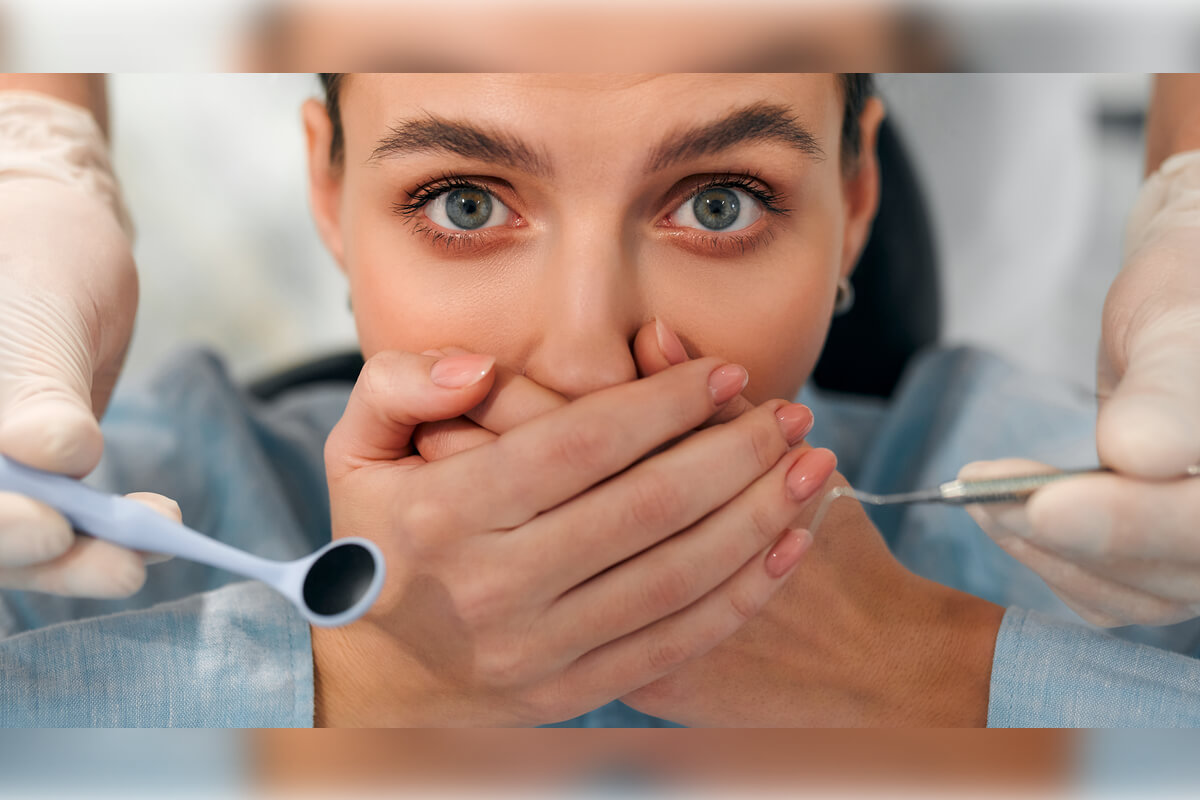
Causes of Bad Breath
Bad breath can stem from various sources, ranging from everyday habits to underlying health conditions. Understanding these causes is crucial for effectively addressing halitosis. Let’s explore the primary factors that contribute to bad breath.
Poor Oral Hygiene
One of the most common causes of bad breath is inadequate oral care. When you don’t clean your mouth properly, bacteria thrive, leading to unpleasant odours.
Bacterial Build-up
Your mouth is home to millions of bacteria. These microorganisms feed on food particles left behind after eating, producing foul-smelling waste products. Without proper cleaning, this bacterial waste accumulates, causing bad breath.
Plaque and Tartar
Plaque, a sticky film of bacteria, forms on teeth when not cleaned regularly. If left unchecked, plaque hardens into tartar, which can only be removed by a dental professional. Both plaque and tartar harbour odour-causing bacteria.
Tongue Coating
The rough surface of your tongue can trap bacteria and food debris. A white or yellowish coating on the tongue is often a sign of bacterial overgrowth and a common source of bad breath.
Food and Drink
What you consume plays a significant role in how your breath smells, both immediately after eating and hours later.
Odorous Foods
Certain foods, such as garlic, onions, and some spices, contain volatile compounds that enter your bloodstream and are expelled through your lungs, causing bad breath that can last for hours.
Sugary and Acidic Foods
Foods high in sugar or acid create an environment where odour-causing bacteria thrive. These include sweets, fizzy drinks, and some fruits.
Coffee and Alcohol
Both coffee and alcohol can lead to dry mouth, which contributes to bad breath. Additionally, they have strong odours that can linger in your mouth.
Dry Mouth (Xerostomia)
Saliva plays a crucial role in maintaining fresh breath by washing away food particles and neutralising acids in the mouth. When your mouth doesn’t produce enough saliva, it can lead to bad breath.
Causes of Dry Mouth
- Certain medications
- Medical conditions affecting salivary glands
- Mouth breathing, especially during sleep
- Dehydration
Smoking and Tobacco Use
Smoking and using tobacco products not only cause their own unpleasant odour but also contribute to dry mouth and gum disease, further exacerbating bad breath.
Smoking-related Oral Health Issues
- Increased risk of gum disease
- Reduced ability to taste and smell
- Stained teeth, which can harbour more bacteria
Medical Conditions
Sometimes, bad breath can be a sign of an underlying health issue. If you maintain good oral hygiene but still experience persistent halitosis, it might be worth discussing with your GP.
Respiratory Tract Infections
Conditions such as sinusitis, tonsillitis, or bronchitis can cause bad breath due to the presence of bacteria and mucus.
Gastrointestinal Issues
Problems in your digestive system, such as acid reflux or H. pylori infection, can sometimes lead to bad breath.
Liver or Kidney Problems
In rare cases, liver or kidney disease can cause a distinct breath odour due to the build-up of toxins in the body.
Other Medical Conditions
- Diabetes: Can cause a sweet, fruity breath odour
- Chronic lung conditions: May lead to a distinct breath smell
- Sjögren’s syndrome: An autoimmune disorder that causes dry mouth
Medications
Some medications can indirectly cause bad breath, usually by contributing to dry mouth.
Common Medications Associated with Dry Mouth
- Antidepressants
- Antihistamines
- Decongestants
- Blood pressure medications
- Some pain relievers
Understanding these various causes of bad breath is the first step in addressing the issue. While maintaining good oral hygiene is crucial for everyone, recognising when bad breath might be a sign of a more serious condition is equally important. If you’re concerned about persistent bad breath, don’t hesitate to discuss it with your dentist or GP. They can help identify the root cause and recommend appropriate treatment, ensuring your breath stays fresh and your overall health remains in top form.
Signs and Symptoms of Bad Breath
Recognising the signs and symptoms of bad breath (halitosis) is crucial for addressing the issue effectively. While it might seem straightforward, identifying bad breath isn’t always easy, especially when it comes to your own breath. This section will guide you through self-assessment techniques, how others might react to bad breath, and associated symptoms that could indicate underlying health issues.
Self-Assessment Techniques
Determining whether you have bad breath can be challenging due to a phenomenon called olfactory adaptation, where your nose becomes accustomed to your own scents. However, there are several methods you can try at home to gauge your breath freshness.
The Wrist Test
Lick the inside of your wrist and wait a few seconds for the saliva to dry. Then, smell the area. If you detect an unpleasant odour, it’s likely that your breath has a similar smell.
Dental Floss Smell Test
Use a piece of unflavoured dental floss to clean between your back teeth. Smell the floss afterwards. If it has an unpleasant odour, it could indicate the presence of odour-causing bacteria in your mouth.
Tongue Inspection
Check your tongue in a mirror. A white or yellowish coating on the tongue, especially towards the back, can be a sign of bacteria buildup that causes bad breath.
Cup Test
Cup your hands over your mouth and nose, breathe out, and quickly inhale through your nose. This method can give you an idea of how your breath smells to others.
Trusted Friend Feedback
While not a self-assessment technique, asking a trusted friend or family member for honest feedback can be one of the most reliable ways to determine if you have bad breath.
How Others May React
Sometimes, the reactions of people around you can be indicators of bad breath. Being aware of these subtle cues can help you identify if you might have halitosis.
Physical Distancing
If people consistently step back or turn away slightly when you’re speaking, it could be a sign that your breath is less than fresh.
Offering Mints or Gum
If friends, colleagues, or family members frequently offer you mints or chewing gum, they might be politely hinting at breath issues.
Covering Nose or Mouth
Watch for people subtly covering their nose or mouth when you’re speaking closely with them. This could be an unconscious reaction to unpleasant breath odours.
Reduced Close Interactions
A noticeable decrease in people wanting to engage in close conversation or intimate moments could potentially be linked to breath concerns.
Associated Symptoms That May Indicate Underlying Health Issues
While bad breath itself is often a dental issue, sometimes it can be a sign of other health problems. Being aware of associated symptoms can help you identify when it’s time to consult a healthcare professional.
Dry Mouth Symptoms
If you experience persistent dry mouth along with bad breath, it could indicate an issue with saliva production. Look out for:
- Difficulty swallowing or speaking
- A sticky feeling in your mouth
- Cracked lips or split skin at the corners of your mouth
Sinus-Related Symptoms
Bad breath accompanied by these symptoms might suggest a sinus issue:
- Nasal congestion or discharge
- Facial pain or pressure
- Reduced sense of smell
Gastrointestinal Symptoms
If your bad breath is accompanied by digestive issues, it could indicate a gastrointestinal problem:
- Frequent heartburn or acid reflux
- Bloating or excessive gas
- Changes in bowel habits
General Health Symptoms
Certain systemic health issues can manifest with bad breath as a symptom. Watch for:
- Unexplained weight loss
- Persistent fatigue
- Changes in urination frequency or colour
Dental Health Indicators
Bad breath often coincides with other dental health issues. Be aware of:
- Bleeding or swollen gums
- Loose teeth
- Persistent bad taste in your mouth
Recognising these signs and symptoms is an important step in addressing bad breath and maintaining overall oral health. If you’re consistently noticing bad breath or any of the associated symptoms mentioned above, it’s advisable to consult your dentist. They can perform a thorough examination and help determine the root cause of your halitosis, whether it’s a simple oral hygiene issue or a sign of a more complex health concern.
Remember, while occasional bad breath is normal, persistent halitosis shouldn’t be ignored. By staying attentive to these signs and symptoms, you can take proactive steps towards fresher breath and better overall health.
Diagnosis and Assessment of Bad Breath
Accurately diagnosing bad breath (halitosis) is crucial for effective treatment. While you might suspect you have bad breath, getting a proper diagnosis can confirm your concerns and help identify the underlying causes. This section will explore both self-diagnosis methods and professional diagnostic techniques used by dental professionals.
Self-Diagnosis Methods
Before seeking professional help, you can try several self-diagnosis techniques at home. These methods can give you an initial idea about your breath’s freshness, though they’re not as accurate as professional assessments.
Sniff Test
One simple method is to lick the inside of your wrist, wait a few seconds for it to dry, then smell it. If you detect an unpleasant odour, it’s likely your breath has a similar smell.
Dental Floss Check
After flossing your back teeth, smell the floss. An unpleasant odour could indicate the presence of odour-causing bacteria between your teeth.
Tongue Scraper Test
Use a tongue scraper on the back of your tongue, then smell the scraper. A foul smell might suggest an accumulation of bacteria on your tongue.
Cotton Swab Method
Gently swab the back of your tongue with a cotton bud, then smell it. A strong, unpleasant odour could be a sign of halitosis.
Breath Journal
Keep a log of when you notice bad breath and what you’ve eaten or done recently. This can help identify patterns and potential causes of your halitosis.
Professional Diagnosis
While self-diagnosis methods can be helpful, a professional assessment by a dentist or dental hygienist is the most accurate way to diagnose halitosis and determine its underlying causes.
Dental Examination
A thorough dental check-up is often the first step in professionally diagnosing bad breath. During this examination, your dentist will:
- Inspect your teeth, gums, and tongue for signs of decay, infection, or other issues
- Check for dry mouth, which can contribute to bad breath
- Examine your throat and tonsils for signs of infection or inflammation
- Review your medical history to identify any conditions or medications that might be causing halitosis
Organoleptic Test
As part of the dental examination, your dentist might perform an organoleptic test. This involves the dentist smelling your breath from various distances and rating the odour on a scale. While subjective, this test is still considered one of the most practical clinical methods for assessing bad breath.
Halimeter Test
A Halimeter is a specialised device used to measure the levels of sulphur compounds in your breath, which are often responsible for bad odours.
How It Works
You’ll be asked to breathe into a tube connected to the Halimeter. The device then measures the concentration of volatile sulphur compounds (VSCs) in parts per billion (ppb). Higher levels of VSCs generally indicate stronger breath odour.
Interpreting Results
While results can vary, generally:
- Less than 100 ppb is considered normal
- Between 100-180 ppb indicates noticeable bad breath
- Over 180 ppb suggests strong bad breath
Other Diagnostic Tools
Depending on the suspected causes of your halitosis, your dentist might use additional diagnostic tools:
BANA Test
This test checks for specific bacteria known to produce foul odours. A small sample is taken from your tongue or teeth and exposed to enzymes. A colour change indicates the presence of these bacteria.
Gas Chromatography
This sophisticated technique can identify and measure specific compounds in your breath. While highly accurate, it’s typically used in research settings rather than regular dental practices.
Salivary Incubation Test
In this test, a sample of your saliva is collected and incubated. After a set period, the odour of the sample is assessed, which can indicate the potential for bad breath development.
Oral Microbiota Analysis
Advanced dental practices might offer analysis of your mouth’s bacterial population. This can help identify an imbalance in your oral microbiome that could be contributing to bad breath.
Remember, while self-diagnosis methods can give you an initial idea about your breath’s freshness, they’re not as reliable as professional assessments. If you’re concerned about persistent bad breath, it’s best to consult a dental professional. They can provide an accurate diagnosis, identify underlying causes, and recommend appropriate treatment options.
By combining your observations from self-diagnosis methods with professional diagnostic techniques, you and your dentist can work together to develop an effective plan to combat halitosis and improve your overall oral health. Don’t hesitate to discuss any concerns about bad breath with your dentist – they’re there to help you achieve a healthier, fresher smile.

Treatment Options for Bad Breath
Dealing with bad breath can be challenging, but there are numerous effective treatments available. From improving your oral hygiene routine to professional dental interventions, this section will explore various options to help you combat halitosis and regain fresh breath confidence.
Improving Oral Hygiene
The cornerstone of treating bad breath is maintaining excellent oral hygiene. By adopting proper cleaning techniques, you can significantly reduce the bacteria that cause unpleasant odours.
Proper Brushing Techniques
Effective tooth brushing is crucial for removing plaque and food particles that contribute to bad breath. Follow these guidelines:
- Brush at least twice daily, ideally after meals
- Use a soft-bristled toothbrush and fluoride toothpaste
- Brush for at least two minutes, covering all surfaces of your teeth
- Use gentle, circular motions rather than aggressive back-and-forth scrubbing
- Don’t forget to brush your gums gently to stimulate blood flow
Flossing and Interdental Cleaning
Flossing removes food particles and plaque from between your teeth where your toothbrush can’t reach. Incorporate these habits:
- Floss at least once daily, preferably before bedtime
- Use about 18 inches of floss, winding most around your middle fingers
- Gently guide the floss between teeth using a rubbing motion
- Curve the floss around each tooth in a C shape and slide it under the gum line
Interdental Brushes
For larger spaces between teeth or around dental work, interdental brushes can be more effective than floss. Use them similarly to floss, inserting gently between teeth and along the gum line.
Tongue Cleaning
Your tongue can harbour bacteria that cause bad breath. Incorporate tongue cleaning into your routine:
- Use a tongue scraper or your toothbrush to clean your tongue daily
- Start at the back of the tongue and gently scrape forward
- Rinse your mouth and the scraper after each pass
- Be gentle to avoid damaging your taste buds
Lifestyle Changes
Certain lifestyle modifications can significantly improve your breath and overall oral health.
Dietary Modifications
What you eat affects your breath. Consider these dietary changes:
- Reduce consumption of strong-smelling foods like garlic and onions
- Limit sugary and acidic foods that promote bacterial growth
- Increase intake of fruits and vegetables, which stimulate saliva production
- Consider probiotics to promote a healthy balance of oral bacteria
Hydration
Drinking plenty of water helps maintain saliva flow, naturally cleansing your mouth. Aim for at least 6-8 glasses of water daily.
Quitting Smoking
Smoking not only causes bad breath directly but also dries out your mouth and increases the risk of gum disease. Quitting can dramatically improve your breath and overall health. Consider NHS smoking cessation services for support.
Over-the-Counter Products
Various products available at your local chemist can help combat bad breath.
Mouthwashes
Antibacterial mouthwashes can help reduce odour-causing bacteria. Look for products containing:
- Chlorhexidine
- Cetylpyridinium chloride
- Essential oils like eucalyptol or thymol
Usage Tips
For best results, use mouthwash after brushing and flossing. Swish for at least 30 seconds before spitting out.
Toothpastes
Specialised toothpastes can target bad breath. Look for products containing:
- Zinc compounds
- Triclosan
- Fluoride (for overall oral health)
Breath Fresheners
While not a long-term solution, sugar-free mints or gums can provide temporary relief. Opt for products containing xylitol, which may help reduce bacteria.
Professional Treatments
If self-care measures aren’t sufficient, professional dental treatments can help address persistent bad breath.
Dental Cleaning and Scaling
Professional cleaning removes plaque and tartar buildup that home care can’t address. Your dentist or hygienist will:
- Use specialised tools to remove hardened plaque (tartar)
- Clean below the gum line where bacteria often accumulate
- Polish your teeth to remove stains and create a smooth surface that’s harder for bacteria to stick to
Treatment of Underlying Dental Issues
Bad breath can be a symptom of other dental problems. Your dentist may need to address:
- Cavities or decay
- Gum disease
- Ill-fitting dental work
- Dry mouth conditions
Referral to Medical Specialists
If your dentist suspects that your bad breath is caused by a non-dental issue, they may refer you to a medical specialist. This could include:
- An ear, nose, and throat (ENT) specialist for sinus or throat issues
- A gastroenterologist for digestive system problems
- Your GP for potential systemic conditions affecting your breath
Remember, treating bad breath often requires a multi-faceted approach. Start with improving your oral hygiene routine and making lifestyle changes. If these measures don’t provide sufficient relief, don’t hesitate to consult your dentist. They can provide personalised advice and treatments to help you achieve fresh breath and maintain optimal oral health.
By combining home care with professional treatments as needed, you can effectively combat halitosis and enjoy the confidence that comes with fresh breath. Stay consistent with your oral care routine, be mindful of lifestyle factors that affect your breath, and maintain regular dental check-ups for the best results.
Pros and Cons of Treatment Options for Bad Breath
When it comes to treating bad breath, there’s no one-size-fits-all solution. Each treatment option has its own set of advantages and disadvantages. In this section, we’ll explore the effectiveness, cost considerations, and potential risks associated with various halitosis treatments. This information will help you make an informed decision about the best approach for your specific situation.
Comparison of Effectiveness
Different treatments for bad breath vary in their effectiveness, depending on the underlying cause and severity of the condition. Let’s examine how various options stack up:
Oral Hygiene Improvements
Enhancing your daily oral care routine is often the most effective first step in combating halitosis.
Pros:
- Highly effective for most cases of bad breath
- Addresses the root cause by reducing bacteria
- Provides additional benefits for overall oral health
Cons:
- Requires consistent, long-term commitment
- May not be sufficient for severe cases or those caused by underlying health issues
Over-the-Counter Products
Mouthwashes, specialised toothpastes, and breath fresheners can provide quick relief but vary in long-term effectiveness.
Pros:
- Convenient and readily available
- Can provide immediate, short-term freshness
- Some products offer additional oral health benefits
Cons:
- Effects are often temporary
- May mask underlying issues without addressing the root cause
- Effectiveness can vary significantly between products
Professional Dental Treatments
Treatments performed by dental professionals, such as deep cleaning or addressing underlying dental issues, can be highly effective for persistent halitosis.
Pros:
- Can address severe or persistent cases of bad breath
- Targets underlying dental issues that home care might miss
- Provides comprehensive oral health benefits
Cons:
- May require multiple appointments
- Not always necessary for mild cases
- Effectiveness depends on proper follow-up care at home
Cost Considerations
The cost of treating bad breath can vary widely depending on the chosen method and the severity of the condition. Here’s a breakdown of potential expenses:
Home Care and Lifestyle Changes
Improving oral hygiene and making lifestyle adjustments are generally the most cost-effective options.
Typical Costs:
- Basic oral care products (toothbrush, toothpaste, floss): £5-£20 per month
- Advanced oral care tools (electric toothbrush, water flosser): £50-£200 initial investment
- Tongue scrapers: £5-£15
Over-the-Counter Products
Specialised products for bad breath can add to your monthly expenses.
Typical Costs:
- Mouthwashes: £3-£10 per bottle
- Specialised toothpastes: £4-£8 per tube
- Breath fresheners (mints, sprays): £2-£5 per pack
Professional Dental Treatments
While more expensive upfront, professional treatments can provide long-term solutions.
Typical Costs:
- Dental check-up and cleaning: £25-£80 (NHS) or £50-£150 (private)
- Deep cleaning (scaling and root planing): £100-£400 per quadrant
- Treatment for underlying dental issues: Varies widely based on the specific problem
Remember, these are approximate costs and can vary depending on your location and specific needs. If you’re concerned about expenses, discuss payment options with your dentist or consider NHS treatment if eligible.
Potential Side Effects or Risks
While most treatments for bad breath are safe, it’s important to be aware of potential risks or side effects:
Home Care Methods
Generally, home care methods carry minimal risks when done correctly.
Potential Issues:
- Over-brushing can lead to enamel wear and gum recession
- Improper flossing technique might cause gum damage
- Aggressive tongue cleaning could irritate taste buds
Over-the-Counter Products
While usually safe, some OTC products may cause side effects, especially with prolonged use.
Potential Issues:
- Alcohol-based mouthwashes can dry out the mouth, potentially worsening bad breath
- Some people may experience tooth staining from certain mouthwashes
- Allergic reactions to ingredients in specialised products
Professional Dental Treatments
Professional treatments are generally safe but can have some associated risks.
Potential Issues:
- Temporary sensitivity after deep cleaning procedures
- Rare instances of infection following invasive treatments
- Possible discomfort or pain during or after certain procedures
It’s crucial to discuss any concerns about potential side effects or risks with your dentist before undergoing treatment. They can provide personalised advice based on your specific oral health situation and medical history.
When choosing a treatment approach for bad breath, consider the balance between effectiveness, cost, and potential risks. For most people, a combination of improved home care and regular professional check-ups provides the best results with minimal risk. However, if you’re dealing with persistent or severe halitosis, don’t hesitate to seek professional dental advice. Your dentist can help you develop a tailored treatment plan that addresses your specific needs and concerns, ensuring you achieve fresh breath and optimal oral health.

Prevention Tips for Bad Breath (Halitosis)
Keeping your breath fresh and pleasant isn’t just about making a good impression; it’s an essential part of maintaining your overall oral health. By following these prevention tips, you can significantly reduce your risk of developing halitosis and enjoy the confidence that comes with knowing your breath is fresh.
Daily Oral Care Routine
A consistent and thorough oral hygiene routine is your first line of defence against bad breath. Here’s what you should include in your daily regimen:
Brushing
Brush your teeth at least twice a day, ideally after each meal. Use a soft-bristled toothbrush and fluoride toothpaste. Don’t forget to brush your tongue, as it can harbour odour-causing bacteria.
Flossing
Clean between your teeth daily with dental floss or interdental brushes. This removes food particles and plaque that your toothbrush can’t reach, preventing bacterial growth and bad odours.
Mouthwash
Use an antibacterial mouthwash to kill odour-causing bacteria and freshen your breath. Look for products containing chlorhexidine or cetylpyridinium chloride for maximum effectiveness.
Timing
For best results, use mouthwash after brushing and flossing, but avoid eating or drinking for at least 30 minutes afterwards to allow the active ingredients to work.
Regular Dental Check-ups
Professional dental care plays a crucial role in preventing halitosis. Here’s why you shouldn’t skip your dental appointments:
Professional Cleaning
Regular scale and polish treatments remove tartar (calculus) build-up, which can contribute to bad breath. Your dental hygienist can reach areas you might miss during your daily routine.
Early Detection
Your dentist can identify and treat potential causes of halitosis, such as gum disease or tooth decay, before they become serious problems.
Personalised Advice
Your dental team can provide tailored advice on maintaining fresh breath based on your individual oral health needs and lifestyle factors.
Dietary Considerations
What you eat can significantly impact your breath. Consider these dietary tips to keep your breath fresh:
Hydration
Drink plenty of water throughout the day. A well-hydrated mouth produces more saliva, which naturally cleanses your mouth and helps prevent bad breath.
Crunchy Fruits and Vegetables
Include foods like apples, carrots, and celery in your diet. These foods can help clean your teeth and stimulate saliva production.
Probiotic-rich Foods
Incorporate yogurt, kefir, and other probiotic-rich foods into your diet. These can help balance the bacteria in your mouth and gut, potentially reducing bad breath.
Foods to Limit
Reduce your intake of foods known to cause bad breath, such as:
- Garlic and onions
- Strong cheeses
- Fish
- Spicy foods
Lifestyle Habits to Adopt or Avoid
Your daily habits can have a significant impact on your breath. Here are some lifestyle changes to consider:
Quit Smoking
Smoking not only causes bad breath directly but also dries out your mouth and increases your risk of gum disease. Quitting can dramatically improve your breath and overall oral health.
Limit Alcohol Consumption
Excessive alcohol intake can lead to dry mouth and bad breath. If you drink, do so in moderation and remember to stay hydrated.
Manage Stress
Stress can affect your oral health and contribute to bad breath. Practice stress-reduction techniques like meditation or exercise to maintain overall health and fresher breath.
Address Medical Conditions
Certain medical conditions, such as sinus infections or gastroesophageal reflux disease (GERD), can cause bad breath. Work with your GP to manage these conditions effectively.
Medications
Some medications can cause dry mouth, leading to bad breath. If you suspect your medication is affecting your breath, consult your doctor about potential alternatives or solutions.
By incorporating these prevention tips into your daily life, you can significantly reduce your risk of developing halitosis. Remember, maintaining fresh breath is an ongoing process that requires consistent effort and attention to your oral health. If you’re concerned about persistent bad breath despite following these tips, don’t hesitate to consult your dentist for personalised advice and treatment options.
When to Seek Professional Help for Bad Breath (Halitosis)
While occasional bad breath is common and often manageable with good oral hygiene, persistent halitosis can be a sign of more serious underlying issues. Knowing when to seek professional help is crucial for maintaining your oral health and overall well-being. This section will guide you through the situations where consulting a dental professional is advisable.
Persistent Bad Breath Despite Self-Care
If you’ve been diligently following a proper oral care routine but still struggle with bad breath, it might be time to consult a dentist. Here are some indicators that your halitosis requires professional attention:
Duration of Symptoms
If your bad breath persists for more than two weeks despite maintaining good oral hygiene, it’s time to seek professional help. Chronic halitosis often indicates an underlying issue that requires expert diagnosis and treatment.
Ineffective Home Remedies
When common solutions like brushing, flossing, using mouthwash, or changing your diet don’t improve your breath, a dentist can identify the root cause and provide more effective treatments.
Visible Oral Health Issues
If you notice any of the following alongside your bad breath, book an appointment with your dentist:
- Bleeding or swollen gums
- White or yellow patches on your tongue
- Loose teeth
- Persistent dry mouth
Signs of Underlying Health Issues
Bad breath can sometimes be a symptom of more serious health conditions. Be aware of these potential red flags:
Oral Health Concerns
Persistent halitosis might indicate dental problems such as:
- Gingivitis or periodontitis (gum disease)
- Tooth decay or dental abscesses
- Oral thrush (a fungal infection)
Systemic Health Issues
In some cases, bad breath can be linked to non-dental health problems, including:
- Sinus infections or postnasal drip
- Gastroesophageal reflux disease (GERD)
- Diabetes
- Liver or kidney problems
Additional Symptoms
If you experience any of these symptoms alongside bad breath, consult your GP:
- Unexplained weight loss
- Fever or night sweats
- Chronic cough or sore throat
- Difficulty swallowing
Impact on Quality of Life
When bad breath begins to affect your daily life significantly, it’s crucial to seek professional help. Consider the following aspects:
Social Interactions
If you find yourself avoiding close conversations, social gatherings, or intimate moments due to concerns about your breath, it’s time to consult a dentist. They can help address the issue and restore your confidence in social situations.
Workplace Performance
Halitosis that interferes with your ability to perform well at work, particularly in roles involving frequent face-to-face interactions, warrants professional attention. Your dentist can provide solutions to help you feel more comfortable and confident in your professional life.
Psychological Well-being
Chronic bad breath can lead to anxiety, low self-esteem, and even depression. If you’re experiencing negative emotional effects due to halitosis, seeking help from a dental professional is an important step towards improving both your oral health and mental well-being.
Support and Resources
Your dentist can provide not only treatment but also guidance on coping strategies and may recommend additional support if needed, such as counselling services for related anxiety or self-esteem issues.
Dietary Restrictions
If you’ve drastically altered your diet to avoid foods that worsen your breath, potentially compromising your nutrition, it’s time to consult a professional. A dentist can help address the root cause of your halitosis, allowing you to enjoy a varied and healthy diet without fear.
Remember, seeking professional help for persistent bad breath is not just about improving your oral hygiene; it’s about safeguarding your overall health and well-being. Dentists are trained to identify and treat the underlying causes of halitosis, whether they’re related to oral health or indicative of other medical conditions. Don’t let embarrassment or fear prevent you from getting the help you need. Most dental practices in the UK are equipped to handle halitosis concerns with sensitivity and discretion, providing you with effective solutions and peace of mind.
Frequently Asked Questions About Bad Breath (Halitosis)
Bad breath is a common concern that affects many people. This section addresses some of the most frequently asked questions about halitosis, providing you with clear, practical information to help you understand and manage this condition better.
Can bad breath be a sign of a serious health problem?
While bad breath is often linked to oral hygiene, it can sometimes indicate more serious health issues. Understanding the potential connections is crucial for your overall well-being.
Oral Health Indicators
Persistent bad breath can be a sign of dental problems such as:
- Gum disease (gingivitis or periodontitis)
- Tooth decay or dental abscesses
- Oral thrush
Systemic Health Concerns
In some cases, halitosis may be linked to non-dental health issues, including:
- Sinus infections or postnasal drip
- Gastroesophageal reflux disease (GERD)
- Diabetes
- Liver or kidney problems
When to Seek Help
If your bad breath persists despite good oral hygiene, or if you experience other symptoms like unexplained weight loss, fever, or difficulty swallowing, consult your dentist or GP promptly.
Is bad breath always noticeable to others?
The perception of bad breath can vary, and it’s not always easy to detect your own breath odour. Understanding this can help you manage concerns about halitosis more effectively.
Self-Assessment Challenges
It’s often difficult to smell your own breath accurately. This is due to a phenomenon called olfactory adaptation, where your nose becomes accustomed to your own scents.
Testing Methods
To check your breath, you can try these methods:
- Lick your wrist, wait a few seconds, then smell it
- Floss between your back teeth and smell the floss
- Use a tongue scraper and smell the residue
Professional Assessment
For a more accurate evaluation, consider asking a trusted friend or family member, or consult your dentist. Dental professionals can perform specialised tests to measure breath odour objectively.
Can certain foods help freshen breath?
While some foods are notorious for causing bad breath, others can actually help freshen it. Incorporating these breath-friendly foods into your diet can be a natural way to combat halitosis.
Breath-Freshening Foods
Consider adding these foods to your diet to help combat bad breath:
- Crunchy fruits and vegetables (apples, carrots, celery)
- Herbs like parsley, mint, and cilantro
- Probiotic-rich foods like yogurt and kefir
- Green tea
Hydration is Key
Drinking plenty of water throughout the day helps wash away food particles and bacteria, promoting fresh breath. Aim for at least 6-8 glasses of water daily.
Foods to Avoid
Be mindful of foods that can contribute to bad breath, such as garlic, onions, and strong cheeses. If you do consume these, consider following up with breath-freshening foods or thorough oral hygiene.
How often should I replace my toothbrush?
Regular toothbrush replacement is crucial for maintaining good oral hygiene and preventing bad breath. Understanding when and why to replace your toothbrush can significantly impact your oral health.
Replacement Timeline
As a general rule, you should replace your toothbrush or electric toothbrush head every 3-4 months. However, you may need to replace it sooner if:
- The bristles become frayed or splayed
- You’ve been ill
- You notice any mould or discolouration on the bristles
Impact on Oral Health
Using a worn-out toothbrush can:
- Reduce cleaning effectiveness
- Harbour harmful bacteria
- Potentially damage your gums
Proper Care
To extend the life of your toothbrush and maintain its effectiveness:
- Rinse thoroughly after each use
- Store upright in an open-air container
- Avoid sharing toothbrushes with others
Are natural remedies effective for treating bad breath?
Natural remedies can be a helpful complement to your oral hygiene routine, but it’s important to understand their limitations and use them alongside proven dental care practices.
Effective Natural Remedies
Some natural approaches that may help combat bad breath include:
- Oil pulling with coconut oil
- Chewing on fresh herbs like parsley or mint
- Using a salt water rinse
- Consuming probiotic supplements
Limitations of Natural Remedies
While these remedies can provide temporary relief, they should not replace:
- Regular brushing and flossing
- Use of fluoride toothpaste
- Professional dental cleanings and check-ups
Caution with Natural Products
Be aware that some natural products, such as essential oils, can be harmful if used incorrectly. Always research thoroughly and consult with a dental professional before incorporating new remedies into your oral care routine.
Remember, while these frequently asked questions provide helpful insights into managing bad breath, they’re not a substitute for professional dental advice. If you have persistent concerns about halitosis or your oral health, don’t hesitate to book an appointment with your dentist. They can provide personalised guidance and treatment to address your specific needs and help you maintain fresh breath and a healthy smile.
Interesting Facts and Statistics About Bad Breath (Halitosis)
Bad breath, or halitosis, has been a concern for humans throughout history. This section explores fascinating historical perspectives, cultural attitudes, and recent research findings about this common oral health issue. Understanding these aspects can provide valuable context and insights into how we perceive and manage bad breath today.
Historical Perspectives on Bad Breath
The concern over bad breath is not a modern phenomenon. Throughout history, various cultures have grappled with halitosis, developing interesting remedies and beliefs along the way.
Ancient Civilisations
Ancient Egyptians were among the first to address bad breath systematically. They created a mouthwash recipe dating back to 1550 BC, which included:
- Cinnamon
- Myrrh
- Frankincense
- Pine seeds
Medieval Europe
During the Middle Ages, bad breath was often associated with poor health or moral decay. Common remedies included:
- Chewing on herbs like parsley or mint
- Rinsing with wine or vinegar
- Using aromatic spices to mask odours
Historical Figures
Even famous historical figures weren’t immune to halitosis concerns. For instance, it’s said that Napoleon Bonaparte wrote to his wife Josephine, “I will return in five days. Stop washing.” This suggests that he preferred her natural scent, including her breath, to artificial fragrances.
Cultural Attitudes Towards Halitosis
Attitudes towards bad breath vary significantly across cultures, influencing how people perceive and address the issue.
Western Perspective
In many Western countries, including the UK, bad breath is often seen as:
- A sign of poor hygiene
- Socially embarrassing
- Potentially detrimental to personal and professional relationships
Eastern Traditions
Some Eastern cultures have different perspectives on breath and oral health:
- In Traditional Chinese Medicine, breath odour is used as a diagnostic tool for internal health issues
- Ayurvedic practices in India include oil pulling and tongue scraping as part of daily oral care routines
Global Awareness
The global oral care market, driven partly by concerns over bad breath, was valued at £36.1 billion in 2020 and is expected to grow significantly in the coming years. This reflects the increasing worldwide awareness and concern about halitosis.
Recent Research Findings
Scientific understanding of halitosis continues to evolve, with recent studies shedding new light on its causes, prevalence, and potential treatments.
Prevalence Statistics
Recent studies have provided insights into how common bad breath is:
- Approximately 25-30% of the global population suffers from bad breath regularly
- In the UK, it’s estimated that about 19% of adults experience bad breath at least occasionally
- Men are slightly more likely to have halitosis than women, with a ratio of about 3:2
Microbial Research
Advances in microbiology have enhanced our understanding of the oral microbiome’s role in halitosis:
- Over 700 species of bacteria have been identified in the human mouth
- Certain bacteria, particularly those producing volatile sulphur compounds (VSCs), are primary contributors to bad breath
- Recent studies suggest that the balance of oral bacteria, rather than the presence of specific species, may be more crucial in determining breath odour
Emerging Treatments
New research is paving the way for innovative halitosis treatments:
- Probiotics: Studies are exploring the use of beneficial bacteria to combat harmful, odour-causing strains
- Light therapy: Some researchers are investigating the potential of blue light to reduce odour-causing bacteria
- Nanotechnology: Advanced materials are being developed to trap and neutralise odour-causing compounds more effectively
Psychological Impact
Recent psychological studies have highlighted the significant impact of halitosis on mental health:
- Up to 50% of people with halitosis may experience symptoms of social anxiety or depression
- Fear of bad breath (halitophobia) is recognised as a legitimate psychological condition, affecting about 0.5-1% of the adult population
Understanding these historical perspectives, cultural attitudes, and recent research findings provides a comprehensive view of halitosis. It reminds us that bad breath is not just a modern concern but a long-standing human issue that continues to be relevant in various cultural contexts. As research progresses, we can expect more effective treatments and a deeper understanding of this common oral health problem. Remember, if you’re concerned about bad breath, your dentist is the best source of up-to-date, personalised advice and treatment options.
Debunking Myths about Bad Breath
When it comes to bad breath, or halitosis, there’s no shortage of misconceptions. These myths can lead to ineffective treatments and unnecessary worry. Let’s set the record straight on some common beliefs about bad breath, providing you with accurate information to help you maintain fresh breath and good oral health.
Myth: Mouthwash alone can cure bad breath
Many people believe that a quick swish of mouthwash is all it takes to banish bad breath. While mouthwash can be a helpful addition to your oral hygiene routine, it’s not a cure-all solution for halitosis.
The Role of Mouthwash
Mouthwash can:
- Temporarily mask bad odours
- Kill some bacteria in your mouth
- Freshen your breath for a short period
Limitations of Mouthwash
However, mouthwash alone is not sufficient because:
- It doesn’t remove plaque or food particles stuck between teeth
- The effect is often short-lived, lasting only a few hours
- Some alcohol-based mouthwashes can dry out your mouth, potentially worsening bad breath
Effective Oral Care
For truly fresh breath, combine mouthwash with:
- Regular brushing (at least twice daily)
- Daily flossing
- Tongue cleaning
- Regular dental check-ups
Myth: Bad breath always originates in the mouth
While it’s true that most cases of halitosis are caused by oral issues, bad breath can sometimes be a sign of other health problems.
Oral Causes of Bad Breath
Common mouth-related causes include:
- Poor oral hygiene
- Gum disease (gingivitis or periodontitis)
- Dry mouth (xerostomia)
- Food particles trapped in tonsils
Non-Oral Causes of Bad Breath
However, bad breath can also result from:
- Sinus infections or post-nasal drip
- Gastroesophageal reflux disease (GERD)
- Diabetes
- Liver or kidney problems
When to Seek Help
If you’ve ruled out oral hygiene issues and still struggle with persistent bad breath, consult your GP. They can help identify any underlying health conditions that might be causing your halitosis.
Myth: Chewing gum is as effective as brushing teeth
While chewing sugar-free gum can be beneficial for your oral health, it’s not a substitute for proper brushing and flossing.
Benefits of Chewing Gum
Sugar-free gum can:
- Stimulate saliva production, which helps neutralise acids in your mouth
- Help remove some food particles from your teeth
- Temporarily freshen your breath
Limitations of Chewing Gum
However, gum falls short in several ways:
- It doesn’t remove plaque build-up on teeth
- It can’t clean between teeth or under the gum line
- It doesn’t provide fluoride, which helps prevent tooth decay
Proper Oral Hygiene
For optimal oral health and fresh breath:
- Brush your teeth at least twice a day with fluoride toothpaste
- Floss daily to remove food particles and plaque between teeth
- Use sugar-free gum as a complement to, not a replacement for, brushing and flossing
- Visit your dentist regularly for check-ups and professional cleanings
Understanding these myths about bad breath can help you take more effective steps to maintain fresh breath and good oral health. Remember, while quick fixes like mouthwash or chewing gum can provide temporary relief, they’re not substitutes for a thorough oral hygiene routine. If you’re concerned about persistent bad breath, don’t hesitate to discuss it with your dentist. They can provide personalised advice and help identify any underlying issues that might be contributing to your halitosis.
Taking Control of Your Breath and Oral Health
We’ve covered a lot of ground in our exploration of bad breath, or halitosis. Let’s take a moment to recap the key points and discuss how you can move forward with confidence in managing your oral health.
Key Takeaways
Throughout this article, we’ve uncovered crucial information about halitosis that can help you maintain fresh breath and overall oral health:
Understanding Bad Breath
- Halitosis is a common concern affecting up to 30% of people globally
- It can be caused by various factors, including poor oral hygiene, certain foods, and underlying health conditions
- Bad breath isn’t always noticeable to the person experiencing it
Effective Management Strategies
- Maintain a thorough oral hygiene routine, including brushing, flossing, and tongue cleaning
- Stay hydrated to promote saliva production
- Consider dietary changes to reduce odour-causing foods
- Use sugar-free gum or mints as temporary fresheners
Professional Care
- Regular dental check-ups are crucial for preventing and addressing halitosis
- Dentists can identify underlying causes that may not be apparent to you
- Professional cleaning can remove stubborn plaque and tartar build-up
Time to Take Action
Armed with this knowledge, you’re well-equipped to take control of your breath and oral health. Here are some steps you can take right away:
Assess Your Current Routine
Take a moment to evaluate your oral care habits. Are you:
- Brushing at least twice daily for two minutes each time?
- Flossing daily to remove food particles between teeth?
- Cleaning your tongue regularly?
- Staying hydrated throughout the day?
Make Necessary Changes
If you’ve identified areas for improvement, start making small, sustainable changes to your routine. Remember, consistency is key when it comes to oral health.
Track Your Progress
Consider keeping a journal of your oral care routine and any changes you notice in your breath. This can help you identify what works best for you and stay motivated.
The Importance of Professional Dental Care
While home care is crucial, it’s not a substitute for professional dental care. Regular visits to your dentist play a vital role in maintaining your oral health and fresh breath.
Comprehensive Oral Health Assessment
Your dentist can:
- Detect early signs of gum disease or tooth decay
- Identify less obvious causes of bad breath
- Provide personalised advice based on your specific oral health needs
Professional Cleaning
A dental hygienist can perform a thorough cleaning to remove plaque and tartar build-up that regular brushing might miss. This can significantly improve your breath and overall oral health.
Tailored Treatment Plans
If underlying issues are identified, your dentist can develop a personalised treatment plan to address them effectively.
Take the Next Step: Book Your Dental Appointment
Don’t let concerns about bad breath hold you back. Taking action now can lead to improved oral health, fresher breath, and increased confidence.
Finding a Dentist
If you don’t have a regular dentist:
- Ask friends or family for recommendations
- Check the NHS website for local NHS dentists accepting new patients
- Consider private dental practices in your area
Preparing for Your Visit
Before your appointment:
- Make a list of any concerns or questions you have about your breath or oral health
- Be prepared to discuss your current oral care routine
- Don’t be embarrassed – dentists are professionals who deal with these issues every day
Regular Check-ups
Once you’ve had your initial appointment, make a commitment to regular check-ups. Most dentists recommend visits every six months for optimal oral health.
Remember, taking control of your breath is about more than just fresh breath – it’s an important step towards overall health and well-being. By combining good home care with regular professional dental visits, you’re investing in a healthier, more confident you. Don’t wait – take that first step towards fresher breath and better oral health by booking your dental appointment today.