
Braces: Your Complete Guide to Straightening Your Smile in the UK
Are you considering braces to improve your smile? You’re not alone. Many Britons are taking steps to straighten their teeth and boost their confidence. This guide will walk you through everything you need to know about braces, from how they work to the types available in the UK.
Braces are orthodontic devices designed to correct misaligned teeth and jaws. They apply gentle pressure over time to gradually move your teeth into the desired position. Whether you’re dealing with crooked teeth, gaps, or bite issues, braces can help you achieve a straighter, healthier smile.
How Braces Work
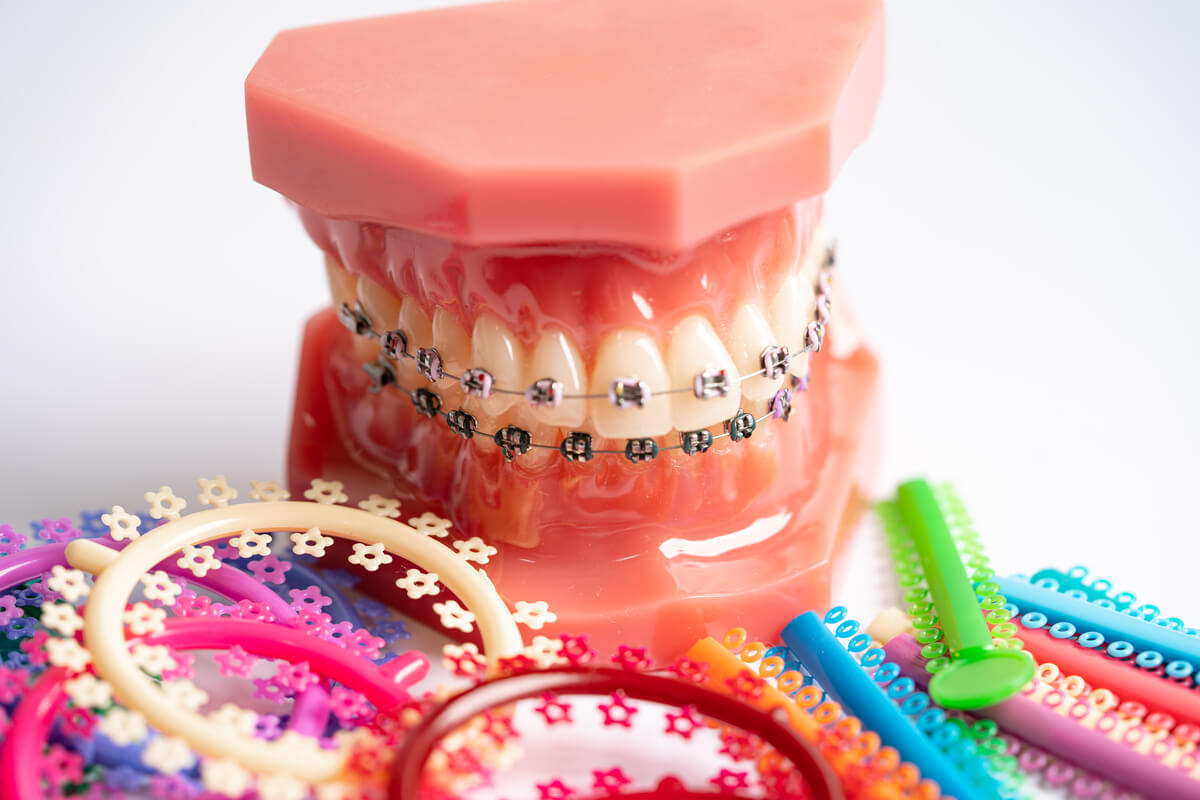
Braces consist of brackets attached to your teeth and connected by wires. As your orthodontist adjusts these wires, they create tension that slowly shifts your teeth. This process, known as orthodontic tooth movement, can address a wide range of dental alignment issues.
Brackets and Wires
The brackets are small squares bonded to the front of each tooth, while the archwire runs through these brackets. As the wire is tightened, it exerts pressure on your teeth, encouraging them to move into proper alignment.
Elastic Bands
In some cases, small elastic bands, or ligatures, are used to hold the archwire in place. These bands can come in various colours, allowing you to personalise your braces.
Who Needs Braces?
Braces aren’t just for teenagers. Adults of all ages can benefit from orthodontic treatment. You might consider braces if you have:
- Crooked or overcrowded teeth
- Gaps between your teeth
- An overbite, underbite, or crossbite
- Difficulty cleaning between overlapping teeth
- Speech difficulties due to misaligned teeth
Signs You Might Need Braces
If you’re experiencing difficulty chewing, frequently biting your cheek or tongue, or feeling self-conscious about your smile, it might be time to consult an orthodontist.

Types of Braces Available in the UK
The UK offers several types of braces to suit different needs and preferences:
Traditional Metal Braces
These are the most common and cost-effective option. Modern metal braces are smaller and more comfortable than their predecessors.
Ceramic Braces
Made of clear or tooth-coloured materials, ceramic braces are less noticeable than metal braces but function in the same way.
Lingual Braces
These braces are attached to the back of your teeth, making them virtually invisible from the front.
Clear Aligners
Systems like Invisalign use a series of clear, removable trays to straighten teeth. They’re nearly invisible and can be taken out for eating and cleaning.
Treatment Duration
The length of your treatment will depend on several factors, including the complexity of your case and the type of braces you choose. On average, treatment can last anywhere from 18 months to 3 years.
Factors Affecting Treatment Time
Your age, the severity of your alignment issues, and how well you follow your orthodontist’s instructions can all impact the duration of your treatment.
Costs and NHS Coverage
The cost of braces in the UK can vary widely depending on the type of braces and whether you opt for NHS or private treatment.
NHS Treatment
NHS orthodontic treatment is available free of charge for young people under 18 who have a clear health need for treatment. However, waiting lists can be long, and not all types of braces are available through the NHS.
Private Treatment
Private orthodontic treatment offers more options but comes at a higher cost. Prices can range from £1,500 to £5,000 or more, depending on the complexity of your case and the type of braces you choose.
Braces can be a significant investment in your oral health and confidence. Whether you’re considering treatment for yourself or your child, it’s important to consult with a qualified orthodontist to discuss your options. They can provide a thorough assessment and help you choose the best treatment plan for your needs and budget.
Remember, a straighter smile isn’t just about aesthetics. Properly aligned teeth are easier to clean, reducing your risk of tooth decay and gum disease. They can also help alleviate jaw pain and improve your overall oral health. So why wait? Take the first step towards your perfect smile today by booking a consultation with an orthodontist.
Understanding Braces
Braces have become a common sight in the UK, but what exactly are they and how do they work? Let’s explore the world of orthodontics and uncover the science behind straightening smiles.
What Are Braces?
Braces are orthodontic devices designed to correct misaligned teeth and jaws. They’re not just about creating a pretty smile; they play a crucial role in improving your oral health and function.
Components of Braces
A typical set of braces consists of several key parts:
- Brackets: Small metal or ceramic squares attached to each tooth
- Archwire: A thin wire that connects the brackets and applies pressure to move teeth
- Elastic bands: Tiny rubber rings that hold the archwire in place
- Ligatures: Coloured elastics that secure the archwire to the brackets
Types of Braces
While metal braces are the most common, there are several other options available in the UK:
- Ceramic braces: Less visible than metal, they blend with your teeth
- Lingual braces: Hidden behind your teeth for a completely invisible treatment
- Clear aligners: Removable plastic trays that gradually shift your teeth
How Braces Work
The science behind braces is fascinating. They use constant, gentle pressure to slowly move your teeth into the desired position.
The Process of Tooth Movement
When pressure is applied to a tooth, the bone around it responds. On the side where pressure is felt, the bone begins to break down. On the opposite side, new bone forms. This process, called bone remodelling, allows your teeth to move through the jawbone.
Stages of Treatment
Orthodontic treatment typically involves three main stages:
- Planning: Your orthodontist assesses your teeth and creates a treatment plan
- Active treatment: The braces are fitted and regularly adjusted to guide your teeth
- Retention: After the braces come off, you’ll wear a retainer to maintain your new smile
Duration of Treatment
The length of time you’ll need to wear braces varies depending on your individual case. On average, treatment lasts between 18 months to 2 years, but some cases may be shorter or longer.
A Brief History of Orthodontic Treatment
Believe it or not, the desire for straight teeth isn’t a modern phenomenon. People have been trying to align their teeth for thousands of years!
Ancient Orthodontics
Archaeologists have found evidence of attempts at tooth straightening dating back to ancient Egypt. Mummies have been discovered with crude metal bands wrapped around individual teeth.
Modern Braces
The braces we know today began to take shape in the early 20th century. Edward Angle, often called the “father of modern orthodontics,” developed the first classification system for malocclusions (misaligned teeth) and designed several orthodontic appliances.
Recent Innovations
In recent decades, orthodontic treatment has seen significant advancements:
- 1970s: The invention of dental adhesives allowed brackets to be bonded directly to teeth
- 1990s: Clear aligners were introduced, offering a nearly invisible treatment option
- 2000s: Self-ligating braces eliminated the need for elastic bands, potentially reducing treatment time
Understanding braces is the first step in your journey to a straighter smile. While the thought of orthodontic treatment might seem daunting, remember that millions of people in the UK have successfully improved their smiles with braces. Whether you’re considering treatment for yourself or your child, your orthodontist can guide you through the process and help you achieve the healthy, beautiful smile you deserve.
Who Needs Braces?
Braces aren’t just for teenagers anymore. People of all ages can benefit from orthodontic treatment to improve their smile and oral health. Let’s explore the common dental issues that braces can address and help you determine if you might be a candidate for treatment.
Common Dental Issues Treated with Braces
Orthodontists use braces to correct a wide range of dental problems. Here are some of the most common issues that can be resolved with braces:
Crooked Teeth
If your teeth are rotated or tilted, braces can help align them properly. Straight teeth not only look better but are also easier to clean, reducing your risk of tooth decay and gum disease.
Overcrowding
When there’s not enough space in your jaw for all your teeth to fit properly, they can become crowded and overlap. This can make it difficult to brush and floss effectively, increasing your risk of dental problems.
Treatment Approach
In some cases, an orthodontist might recommend extracting one or more teeth to create space before applying braces to align the remaining teeth.
Gaps Between Teeth
While some people embrace the charm of a gap-toothed smile, others prefer to close these spaces. Braces can bring teeth closer together, eliminating gaps and creating a more uniform appearance.
Overbites and Underbites
An overbite occurs when your upper teeth significantly overlap your lower teeth, while an underbite is the opposite – when your lower teeth protrude past your upper teeth. Both can affect your facial appearance and potentially cause jaw pain or difficulty chewing.
Correction Methods
Depending on the severity, your orthodontist might use braces alone or combine them with other appliances like headgear or elastics to correct these bite issues.
Crossbites
A crossbite happens when some of your upper teeth sit inside your lower teeth when you close your mouth. This misalignment can lead to uneven wear on your teeth and potential jaw problems if left untreated.
Age Considerations for Orthodontic Treatment
While there’s no age limit for getting braces, there are some considerations based on your stage of life:
Children and Teenagers
The British Orthodontic Society recommends that children have their first orthodontic evaluation by age 7. Early intervention can sometimes prevent more serious problems from developing later.
NHS Treatment
In the UK, the NHS offers free orthodontic treatment for young people under 18 who have a clear health need for treatment. However, there may be long waiting lists.
Adults
It’s never too late to improve your smile! More adults than ever are opting for orthodontic treatment. While adult teeth may move more slowly than children’s, the process is still effective.
Treatment Options
Adults often prefer less visible options like ceramic braces or clear aligners, which are widely available but typically not covered by the NHS.
Signs You Might Need Braces
Not sure if you need braces? Here are some signs that it might be time to consult an orthodontist:
- You feel self-conscious about your smile
- You have difficulty biting or chewing
- You frequently bite your cheek or the roof of your mouth
- Your teeth look crowded or crooked
- Your jaw shifts or makes sounds when you open and close your mouth
- You have to breathe through your mouth instead of your nose
Self-Assessment
While these signs can indicate a need for braces, only a qualified orthodontist can determine if you’re a suitable candidate for treatment. If you’re concerned about your teeth or bite, it’s best to seek a professional evaluation.
Consultation Process
During an orthodontic consultation, the specialist will:
- Examine your teeth and jaw
- Take X-rays and photographs
- Discuss your concerns and goals
- Recommend a treatment plan if necessary
Remember, straight teeth aren’t just about aesthetics. Properly aligned teeth and jaws contribute to better oral health, easier cleaning, and can even alleviate issues like headaches or jaw pain. If you’re considering braces, don’t hesitate to reach out to an orthodontist. They can help you understand your options and guide you towards the best treatment for your individual needs.
Types of Braces Available in the UK
When it comes to straightening your teeth, you have more options than ever before. The UK offers a variety of braces to suit different needs, lifestyles, and budgets. Let’s explore the types of braces available and their pros and cons to help you make an informed decision.
Traditional Metal Braces
These are the most common type of braces and have been used for decades to effectively straighten teeth.
How They Work
Metal brackets are bonded to your teeth and connected by a wire. Your orthodontist adjusts this wire periodically to gradually move your teeth into the desired position.
Pros
- Most cost-effective option
- Suitable for all types of orthodontic issues
- Coloured bands allow for personalisation
Cons
- Most noticeable type of braces
- Can cause initial discomfort
- Require dietary restrictions to avoid damage
Ceramic Braces
These work similarly to metal braces but are designed to blend in with your teeth.
Material and Appearance
The brackets are made of clear or tooth-coloured ceramic, making them less visible than metal braces. The wire can also be tooth-coloured for even less visibility.
Pros
- Less noticeable than metal braces
- As effective as metal braces for most cases
- Suitable for all ages
Cons
- More expensive than metal braces
- Brackets can stain if not properly cared for
- Slightly larger and more brittle than metal brackets
Lingual Braces
These braces offer a truly invisible orthodontic option as they’re placed behind your teeth.
Unique Placement
Lingual braces use the same components as traditional braces, but the brackets and wires are custom-made to fit the inner surface of your teeth.
Pros
- Completely hidden from view
- Suitable for most orthodontic issues
- Don’t interfere with playing wind instruments
Cons
- Most expensive brace option
- Can be more uncomfortable initially
- May temporarily affect speech
- Challenging to clean
Clear Aligners (e.g., Invisalign)
Clear aligners are a series of custom-made, removable clear plastic trays that gradually shift your teeth into position.
Treatment Process
You wear each set of aligners for about two weeks before moving to the next set in the series. The entire treatment is planned digitally from start to finish.
Pros
- Nearly invisible
- Removable for eating and cleaning
- No dietary restrictions
- Typically more comfortable than fixed braces
Cons
- Not suitable for all orthodontic issues
- Requires discipline to wear 20-22 hours per day
- Can be easily lost or damaged
- More expensive than traditional braces
Self-Ligating Braces
These braces use a specialized clip instead of elastic bands to hold the wire in place.
Innovative Design
The clip allows the wire to move more freely, potentially reducing friction and pressure on your teeth.
Pros
- May require fewer adjustments
- Can be more comfortable than traditional braces
- Often easier to clean
Cons
- More expensive than traditional metal braces
- May not be suitable for severe cases
- Still visible, though less noticeable than traditional braces
Choosing the Right Braces for You
Selecting the best type of braces depends on several factors:
- The severity and type of your orthodontic issues
- Your lifestyle and aesthetic preferences
- Your budget and whether you’re eligible for NHS treatment
- Your age and commitment to treatment
Consultation is Key
Your orthodontist is the best person to guide you in choosing the most suitable option. They’ll consider your specific needs and preferences to recommend the most effective treatment plan.
Remember, while the type of braces is important, the skill and experience of your orthodontist play a crucial role in the success of your treatment. Don’t hesitate to ask questions and discuss your concerns during your consultation.
Whichever type of braces you choose, maintaining good oral hygiene is essential throughout your treatment. Regular brushing, flossing, and dental check-ups will help ensure the best possible outcome for your new smile.

The Braces Journey
Embarking on orthodontic treatment is an exciting step towards a healthier, more confident smile. Understanding what to expect during your braces journey can help you feel more prepared and at ease. Let’s walk through the process, from your first consultation to the day your braces come off and beyond.
Initial Consultation and Assessment
Your braces journey begins with a thorough examination by an orthodontist. This first visit is crucial in determining the best treatment plan for your unique needs.
What to Expect
During your initial consultation, the orthodontist will:
- Examine your teeth, jaws, and facial structure
- Take X-rays and photographs of your mouth and face
- Create impressions or digital scans of your teeth
- Discuss your concerns and goals for treatment
Questions to Ask
Don’t be shy about asking questions. Some key points to discuss include:
- Treatment options suitable for your case
- Estimated treatment duration
- Costs and payment plans
- Potential risks or complications
Treatment Planning
After your initial assessment, your orthodontist will develop a personalised treatment plan tailored to your specific needs.
Customised Approach
Your treatment plan will outline:
- The type of braces recommended for you
- Estimated duration of treatment
- Any additional procedures needed (e.g., tooth extraction)
- Expected outcomes and potential limitations
Informed Consent
Before proceeding, your orthodontist will explain the proposed treatment in detail. This is your opportunity to ask any remaining questions and provide informed consent for the treatment.
Brace Fitting Process
The day you get your braces fitted is a significant milestone in your orthodontic journey. The process is typically painless but can take 1-2 hours.
Step-by-Step Procedure
- Teeth cleaning and preparation
- Application of bonding glue to your teeth
- Attachment of brackets to each tooth
- Insertion of the archwire into the brackets
- Securing the wire with elastic bands (for traditional braces)
Post-Fitting Care
Your orthodontist will provide instructions on how to care for your new braces, including:
- Foods to avoid
- Proper brushing and flossing techniques
- How to manage initial discomfort
Adjustments and Check-ups
Regular appointments with your orthodontist are crucial for monitoring progress and making necessary adjustments to your braces.
Frequency of Visits
Typically, you’ll need to visit your orthodontist every 4-8 weeks. These appointments usually last 20-30 minutes.
What Happens During Adjustments
During these visits, your orthodontist will:
- Check the progress of your teeth movement
- Replace or tighten the archwire
- Change elastic bands (if used)
- Address any concerns or discomfort you’re experiencing
Managing Discomfort
It’s normal to feel some discomfort for a few days after each adjustment. Over-the-counter pain relievers and soft foods can help manage any soreness.
Removal and Aftercare
The day your braces come off is cause for celebration! However, your orthodontic journey doesn’t end here.
The Removal Process
Removing your braces is usually quick and painless. Your orthodontist will:
- Remove the archwire and brackets
- Clean off any remaining adhesive
- Take impressions for your retainer
Retainer Use
Wearing a retainer is crucial to maintain your new smile. Your orthodontist will provide instructions on:
- How long to wear your retainer each day
- How to clean and care for your retainer
- When to replace your retainer
Long-term Care
To keep your smile looking its best:
- Continue regular dental check-ups and cleanings
- Maintain good oral hygiene habits
- Wear your retainer as directed
- Contact your orthodontist if you notice any shifting in your teeth
Remember, every smile is unique, and your braces journey may differ slightly from others. Your orthodontist is your best resource throughout this process, so don’t hesitate to ask questions or voice concerns at any point in your treatment. With patience and proper care, you’ll soon be enjoying your new, beautifully aligned smile!
Living with Braces
Adjusting to life with braces can be a bit of a challenge, but with the right knowledge and habits, you can sail through your orthodontic treatment with ease. This guide will help you navigate daily life with braces, from keeping your teeth sparkling clean to managing any discomfort you might experience.
Oral Hygiene Tips for Brace Wearers
Maintaining excellent oral hygiene is crucial when you have braces. Brackets and wires create extra nooks and crannies where food particles and plaque can hide.
Brushing Techniques
Brush your teeth at least twice a day, ideally after every meal. Use a soft-bristled toothbrush and fluoride toothpaste. Brush at a 45-degree angle to the gum, and clean above and below each bracket.
Flossing with Braces
Flossing can be tricky with braces, but it’s essential. Use a floss threader or orthodontic floss to navigate around wires and between teeth.
Interdental Brushes
These small brushes can be incredibly helpful for cleaning around brackets and between teeth. They’re available at most chemists and supermarkets.
Water Flossers
Consider investing in a water flosser. These devices use a stream of water to clean between teeth and around brackets, making oral hygiene easier and more effective.
Foods to Avoid
Certain foods can damage your braces or get stuck in them, potentially leading to decay. It’s best to avoid:
- Hard foods like nuts, ice, and hard sweets
- Sticky foods such as toffee and chewing gum
- Chewy foods like bagels or hard crusts
- Foods you need to bite into, like apples or corn on the cob (cut these into smaller pieces instead)
Braces-Friendly Foods
Focus on softer foods that are easy to eat and won’t damage your braces. Good options include:
- Yogurt and smoothies
- Soups and stews
- Pasta and noodles
- Soft fruits like bananas and berries
Managing Discomfort
It’s normal to experience some discomfort, especially after adjustments. Here are some ways to manage it:
Over-the-Counter Pain Relief
Paracetamol or ibuprofen can help alleviate pain. Always follow the dosage instructions on the package.
Orthodontic Wax
If a wire or bracket is irritating your cheek or lip, apply a small amount of orthodontic wax to create a smooth surface.
Salt Water Rinses
Rinsing with warm salt water can soothe sore gums and promote healing of any small cuts or abrasions in your mouth.
Sports and Activities with Braces
Having braces doesn’t mean you have to give up your favourite activities, but you may need to take some precautions.
Mouthguards
If you play contact sports, it’s essential to wear a mouthguard. Ask your orthodontist about special orthodontic mouthguards designed to fit over braces.
Musical Instruments
If you play a wind instrument, you may need a short adjustment period. Practice regularly, and you’ll soon adapt to playing with braces.
Impact on Speech and Daily Life
Braces can temporarily affect your speech and daily routines, but most people adjust quickly.
Speech Changes
You might notice a slight lisp when you first get your braces. This usually disappears within a few days as you get used to speaking with braces.
Practice Makes Perfect
Reading aloud can help you adjust to speaking with braces more quickly.
Eating in Public
Eating with braces can be messy at first. Carry a small mirror and toothbrush for quick touch-ups after meals when you’re out and about.
Confidence Boosters
Remember, braces are temporary, and the end result will be worth it. If you’re feeling self-conscious, try these tips:
- Choose coloured elastics to make your braces more fun and expressive
- Focus on the positive changes you’re already seeing in your smile
- Connect with others who have braces for support and tips
Living with braces requires some adjustments, but with a bit of patience and care, it can become second nature. Remember, your orthodontist is always there to help if you have any concerns or questions during your treatment. Keep your eye on the prize – a beautiful, healthy smile that will last a lifetime!
Treatment Duration and Results
One of the most common questions orthodontists hear is, “How long will I need to wear braces?” While everyone’s smile journey is unique, understanding the factors that influence treatment time can help you set realistic expectations. Let’s explore what determines the duration of your treatment, what you can expect during and after, and why retainers are crucial for maintaining your new smile.
Factors Affecting Treatment Length
Several elements contribute to how long you’ll need to wear braces. Your orthodontist will consider these factors when estimating your treatment time:
Severity of Misalignment
The complexity of your case is the primary factor in determining treatment length. Minor crowding or spacing issues typically require less time to correct than severe overbites or underbites.
Age
While braces can be effective at any age, children and teenagers often see faster results. Their jawbones are still growing, making it easier to guide teeth into new positions.
Type of Braces
Different types of braces work at varying speeds. Traditional metal braces often move teeth faster than clear aligners for complex cases.
Compliance with Treatment
Your role in the treatment process is crucial. Following your orthodontist’s instructions, maintaining good oral hygiene, and attending regular appointments can significantly impact your treatment time.
Average Treatment Times for Different Cases
While every smile is unique, here are some general timeframes for various orthodontic issues:
Minor Crowding or Spacing
Simple cases may be resolved in as little as 6-12 months.
Moderate Misalignment
Most patients fall into this category, with treatment typically lasting 12-24 months.
Severe Malocclusion
Complex cases involving significant bite issues may require 24-36 months or more to correct.
Phased Treatment
Some patients, particularly children, may undergo treatment in phases. This approach can span several years but is broken into distinct stages.
What to Expect After Braces Are Removed
The day your braces come off is exciting, but it’s not the end of your orthodontic journey. Here’s what you can expect:
Removal Process
Your orthodontist will gently remove the brackets and thoroughly clean your teeth. This process is typically quick and painless.
Teeth Whitening
You may notice some discolouration where the brackets were attached. Many patients opt for teeth whitening at this stage to even out their smile’s appearance.
Retainer Fitting
You’ll be fitted for a retainer immediately after your braces are removed. This device is crucial for maintaining your new smile.
Adjusting to Life Without Braces
Your mouth may feel strange at first without braces. You’ll likely notice how smooth your teeth feel and may experience increased sensitivity initially.
Importance of Retainers
Retainers are a vital part of your orthodontic treatment. They help keep your teeth in their new positions while the surrounding bones and tissues adjust.
Types of Retainers
There are two main types of retainers:
- Removable retainers: These can be taken out for eating and cleaning.
- Fixed retainers: Thin wires permanently bonded to the back of your teeth.
Wearing Schedule
Your orthodontist will provide a specific wearing schedule, but generally:
- Initial phase: Wear your retainer full-time for several months.
- Long-term: Transition to wearing your retainer only at night.
Long-Term Commitment
To maintain your new smile, you’ll need to wear your retainer indefinitely. While this may seem daunting, it becomes a simple part of your routine over time.
Retainer Care
Clean your retainer daily and store it safely when not in use. Bring it to your check-up appointments so your orthodontist can ensure it still fits properly.
Remember, the duration of your treatment is just a small fraction of the lifetime you’ll spend enjoying your new smile. Stay committed to your treatment plan, follow your orthodontist’s advice, and soon you’ll be showing off your perfectly aligned teeth with confidence. If you have any concerns about your treatment timeline or the results you’re seeing, don’t hesitate to discuss these with your orthodontist. They’re there to support you every step of the way on your journey to a healthier, more beautiful smile.
Costs and NHS Coverage
When considering braces, one of the most pressing concerns for many people is the cost. In the UK, you have options for both private treatment and NHS coverage, each with its own set of considerations. Let’s explore the financial aspects of getting braces, from private costs to NHS eligibility and payment options.
Private Treatment Costs for Different Types of Braces
Private orthodontic treatment offers a wide range of braces options, but the costs can vary significantly. Here’s a breakdown of what you might expect to pay:
Traditional Metal Braces
These are typically the most affordable option, with prices ranging from £1,500 to £3,000 for a full course of treatment.
Ceramic Braces
Less visible than metal braces, ceramic options usually cost between £2,000 and £4,000.
Lingual Braces
Fitted behind the teeth, lingual braces are more discreet but also more expensive, with prices from £3,000 to £10,000.
Clear Aligners
Popular brands like Invisalign can cost anywhere from £1,500 for minor corrections to £5,000 for more complex cases.
Remember, these prices are estimates and can vary depending on the complexity of your case, the duration of treatment, and your location in the UK.
NHS Orthodontic Treatment Eligibility and Coverage
The NHS offers orthodontic treatment to eligible patients, but it’s important to understand the criteria and limitations:
Eligibility Criteria
NHS orthodontic treatment is typically available for children and young people under 18 who have a clear health need for treatment. This is determined using a scoring system called the Index of Orthodontic Treatment Need (IOTN).
Types of Braces Covered
The NHS usually provides metal braces. More aesthetic options like ceramic braces or clear aligners are generally not available through the NHS.
Adult Treatment
Adults can receive NHS orthodontic treatment in rare cases, such as when braces are needed as part of wider treatment for another condition, like jaw surgery.
Waiting Times
Due to high demand, there may be significant waiting times for NHS orthodontic treatment, sometimes up to two years or more.
Payment Plans and Financing Options
If you’re opting for private treatment or need to cover part of your NHS treatment, there are several ways to manage the costs:
Monthly Payment Plans
Many orthodontists offer interest-free monthly payment plans, allowing you to spread the cost of treatment over several months or even years.
Dental Finance Companies
Specialised finance companies provide loans for dental treatment, often with competitive interest rates.
Dental Insurance
Some dental insurance plans cover a portion of orthodontic treatment costs. Check your policy or consider taking out a plan if you’re planning treatment.
Health Cash Plans
These plans allow you to claim back a portion of your dental expenses, including orthodontic treatment, up to a set annual limit.
Comparing Costs: NHS vs Private Treatment
When deciding between NHS and private treatment, consider the following factors:
Cost Difference
NHS treatment is significantly cheaper, with a standard charge of £270 per course of treatment for those who need to pay. Private treatment can cost several thousand pounds.
Treatment Options
Private treatment offers more choice in terms of braces types and aesthetics, while NHS treatment is limited to standard metal braces in most cases.
Waiting Times
Private treatment usually has shorter waiting times, allowing you to start your orthodontic journey sooner.
Flexibility
Private orthodontists may offer more flexible appointment times, including evenings and weekends, which can be convenient if you have work or school commitments.
Choosing between NHS and private treatment is a personal decision that depends on your individual needs, budget, and priorities. While NHS treatment offers a more affordable option for those who qualify, private treatment provides more choice and potentially quicker access to care.
Regardless of which route you choose, investing in your smile can have long-lasting benefits for both your oral health and self-confidence. If you’re unsure about the best option for you, book a consultation with an orthodontist who can assess your specific case and discuss your treatment options in detail.
Myths and Facts About Braces
When it comes to braces, there’s a lot of information floating around – some true, some not so much. Let’s separate fact from fiction and take a look at some interesting statistics about orthodontic treatment in the UK. Understanding the reality behind braces can help you make informed decisions about your dental health and feel more at ease if you’re considering treatment.
Debunking Common Misconceptions
There are many myths surrounding braces that can cause unnecessary worry or confusion. Let’s address some of the most common ones:
Braces are only for children and teenagers
This is a widespread misconception. While it’s true that many orthodontic patients are young, more and more adults are getting braces. In fact, adult orthodontics is becoming increasingly popular in the UK. You’re never too old to improve your smile and oral health.
Braces are extremely painful
While you may experience some discomfort, especially after adjustments, modern braces are much more comfortable than those of the past. Any pain is usually mild and temporary, and can be managed with over-the-counter pain relief.
You can’t eat your favourite foods with braces
There are some dietary restrictions with traditional braces, but they’re not as severe as you might think. You’ll need to avoid very hard, sticky, or chewy foods, but there are still plenty of delicious options available. With removable aligners, you can eat whatever you like during meals.
Braces will set off metal detectors
This is a myth that’s been around for years. The metal used in braces is not magnetic and won’t trigger metal detectors at airports or other security checkpoints.
Once you have braces, you’re stuck with them for years
Treatment time varies depending on individual needs, but many people complete their orthodontic treatment in 18-24 months. Some minor corrections can even be done in as little as six months.
Braces are purely cosmetic
While braces do improve the appearance of your smile, they also have significant health benefits. Straight teeth are easier to clean, reducing the risk of decay and gum disease. Braces can also correct bite issues that may cause jaw pain or difficulty eating.
You can’t play sports or musical instruments with braces
With proper precautions, like wearing a mouthguard, you can continue to play sports. As for musical instruments, there might be a short adjustment period, but most people adapt quickly and can continue playing as normal.
Interesting Statistics on Orthodontic Treatment in the UK
To give you a clearer picture of orthodontic treatment in the UK, let’s look at some interesting statistics:
NHS Orthodontic Treatment
According to the NHS, around 200,000 children and teenagers start orthodontic treatment each year. This shows how common braces are among young people in the UK.
Adult Orthodontics
The British Orthodontic Society reports that 75% of their members have seen an increase in adult patients. In fact, adults now make up about 20% of orthodontic patients in the UK.
Satisfaction Rates
A survey by the British Orthodontic Society found that 80% of adults who had undergone orthodontic treatment were satisfied with the results. This high satisfaction rate demonstrates the positive impact that braces can have.
Types of Braces
While traditional metal braces remain popular, especially for NHS treatment, there’s been a rise in demand for more discreet options. About 60% of UK orthodontists now offer clear aligners as an alternative to traditional braces.
Treatment Duration
The average treatment time for braces in the UK is 18-24 months. However, this can vary significantly depending on the complexity of the case and the type of braces used.
Orthodontic Workforce
There are approximately 1,500 specialist orthodontists in the UK. This number has grown by about 30% over the past decade, reflecting the increasing demand for orthodontic treatment.
Regional Variations
Interestingly, there are regional variations in orthodontic treatment rates across the UK. For example, children in the South East of England are more likely to receive orthodontic treatment than those in other parts of the country.
Understanding these facts and statistics can help put your mind at ease if you’re considering braces. Remember, orthodontic treatment is a common and effective way to improve both your oral health and your smile. If you have any concerns or questions about braces, don’t hesitate to discuss them with your dentist or an orthodontist. They can provide personalised advice based on your specific needs and situation.
Alternatives to Braces
While braces are a popular choice for straightening teeth, they’re not the only option available. Let’s explore some alternatives that might suit your needs, depending on your specific dental issues and personal preferences.
Veneers
Veneers are thin, custom-made shells designed to cover the front surface of your teeth, instantly improving their appearance.
How veneers work
These wafer-thin coverings are bonded to the front of your teeth, changing their colour, shape, size, or length. Veneers can be made from porcelain or resin composite materials, with porcelain being more stain-resistant and better at mimicking natural teeth.
Advantages of veneers
Veneers offer a quick solution for minor misalignments, gaps, or discolourations. They can dramatically improve your smile in just a few dental visits, unlike braces which often require months or years of treatment.
Considerations for veneers
It’s important to note that veneers are permanent. Your dentist will need to remove a small amount of enamel from your tooth to accommodate the veneer. This process is irreversible, so you’ll need to commit to replacing your veneers in the future when they wear out.
Dental Bonding
Dental bonding involves applying a tooth-coloured resin material to your teeth and hardening it with a special light.
The bonding process
Your dentist will roughen the surface of your tooth and apply a conditioning liquid. Then, they’ll apply the tooth-coloured resin, mould and smooth it into the desired shape, and harden it with an ultraviolet light or laser.
Benefits of dental bonding
Bonding is one of the easiest and least expensive cosmetic dental procedures. It can repair chipped or cracked teeth, close small gaps, and change the shape of teeth. Unlike veneers, bonding usually doesn’t require removing tooth enamel, and it can often be completed in a single office visit.
Limitations of dental bonding
While bonding is versatile, it’s not as strong as natural tooth enamel. The bonding material can chip or break off, especially if you have habits like biting your nails or chewing on hard objects. It’s also more prone to staining than other dental restorations.
When Alternatives Might Be Recommended
While braces remain the gold standard for correcting significant misalignments and bite issues, alternatives might be suggested in certain situations.
Minor cosmetic issues
If you have small gaps between teeth, minor misalignments, or cosmetic imperfections, veneers or bonding might offer a quicker solution than braces. These options can provide immediate aesthetic improvements without the need for prolonged orthodontic treatment.
Time constraints
For adults who want to improve their smile quickly, perhaps for an upcoming event like a wedding, alternatives to braces might be more suitable. Veneers and bonding can often be completed in just a few appointments, offering a rapid transformation.
Dental health considerations
In some cases, your dentist might recommend alternatives if your teeth or gums aren’t strong enough to support braces. For instance, if you have significant gum recession or weakened enamel, veneers might be a better option to improve your smile while protecting your dental health.
Budget concerns
While the cost of dental treatments can vary widely, some patients might find that bonding or veneers fit better within their budget compared to a full course of orthodontic treatment. However, it’s crucial to consider long-term costs and benefits when making your decision.
Remember, while these alternatives can be excellent options in certain situations, they can’t correct significant bite issues or severely misaligned teeth. If you have complex orthodontic needs, traditional braces or clear aligners might still be the best choice.
Always consult with a qualified dentist or orthodontist to determine the most appropriate treatment for your specific needs. They can provide a comprehensive assessment of your oral health and guide you towards the best solution for achieving your dream smile.
Braces for Adults
Gone are the days when braces were only for teenagers. More and more adults in the UK are choosing to straighten their teeth, embracing orthodontic treatment to achieve the smile they’ve always wanted. Let’s explore this growing trend and what it means for you if you’re considering braces as an adult.
Growing Trend of Adult Orthodontics
Adult orthodontics has seen a significant rise in popularity in recent years. This surge is driven by several factors:
Increased awareness of oral health
Adults are becoming more conscious of the importance of a healthy, well-aligned smile. Straight teeth aren’t just about aesthetics; they’re easier to clean, reducing the risk of tooth decay and gum disease.
Advancements in orthodontic technology
Modern braces are more discreet and comfortable than ever before. Options like clear aligners and lingual braces (fitted behind the teeth) make treatment less noticeable, appealing to adults who may be self-conscious about wearing traditional metal braces.
Career considerations
Many adults view a straighter smile as an investment in their professional life. A confident smile can boost self-esteem and potentially improve career prospects in fields where personal presentation is important.
Accessibility of treatment
With more orthodontists offering adult treatments and flexible payment plans, braces have become more accessible to adults of all ages.
Special Considerations for Adult Patients
While the basics of moving teeth are the same regardless of age, adult orthodontic patients do have some unique considerations:
Bone density
Adult bones are denser and no longer growing, which can make tooth movement slower. Your orthodontist will take this into account when planning your treatment, which may take longer than it would for a teenager.
Gum health
Adults are more prone to gum recession and periodontal disease. Your orthodontist will assess your gum health before starting treatment and may recommend seeing a periodontist if there are any concerns.
Existing dental work
Many adults have fillings, crowns, or bridges. These can complicate orthodontic treatment, but an experienced orthodontist can work around them. In some cases, you might need to have dental work redone after your teeth have been straightened.
Tooth wear
Years of use can lead to worn tooth surfaces. Your orthodontist will consider this when planning your treatment to ensure your bite is properly aligned.
Medications
Some medications can affect tooth movement. Be sure to provide your orthodontist with a complete list of any medications you’re taking.
Balancing Aesthetics and Effectiveness
As an adult, you likely have different priorities than a teenager when it comes to orthodontic treatment. Balancing the aesthetics of your smile during treatment with the effectiveness of the outcome is crucial.
Invisible options
Many adults opt for less visible treatment options like clear aligners or ceramic braces. While these can be excellent choices, they may not be suitable for all cases. Your orthodontist will help you understand which options can effectively treat your specific issues.
Treatment duration
You might be tempted to choose the quickest treatment option, but faster isn’t always better. Ensure you understand the pros and cons of each treatment option, including how long it will take to achieve the desired results.
Lifestyle considerations
Consider how different types of braces might impact your daily life. Clear aligners, for example, can be removed for eating and important meetings, but require discipline to wear for the recommended 20-22 hours per day.
Long-term results
While aesthetics during treatment are important, don’t lose sight of the end goal. Choose the treatment option that will give you the best long-term results, even if it might be slightly less convenient in the short term.
Remember, it’s never too late to improve your smile. If you’re considering braces as an adult, book a consultation with an orthodontist. They can assess your individual needs and help you choose the best treatment option to achieve the smile you’ve always wanted. With modern orthodontic techniques, you can straighten your teeth effectively and discreetly, boosting your confidence and improving your oral health for years to come.
Choosing an Orthodontist
Selecting the right orthodontist is a crucial step in your journey towards a straighter smile. This decision can significantly impact your treatment experience and results. Let’s explore what you should look for in an orthodontist, questions to ask during your consultation, and why specialist care is so important.
Qualifications to Look For
When searching for an orthodontist in the UK, there are several key qualifications and credentials to consider:
General Dental Council (GDC) registration
All practising dentists and orthodontists in the UK must be registered with the GDC. You can verify a practitioner’s registration on the GDC website.
Specialist qualification
Look for an orthodontist who has completed additional training in orthodontics beyond their general dental degree. In the UK, this typically involves a three-year full-time postgraduate course.
Membership in professional bodies
Membership in organisations like the British Orthodontic Society (BOS) indicates a commitment to ongoing professional development and adherence to ethical standards.
Experience with your specific treatment
If you’re interested in a particular type of braces, such as lingual braces or clear aligners, ensure the orthodontist has experience with these systems.
Questions to Ask During Consultation
Your initial consultation is an opportunity to gather information and assess whether the orthodontist is the right fit for you. Consider asking the following questions:
What is your experience with my type of case?
Understanding the orthodontist’s experience with cases similar to yours can give you confidence in their ability to handle your treatment effectively.
What treatment options do you recommend?
A good orthodontist will explain all suitable options, including their pros and cons, allowing you to make an informed decision.
How long will the treatment take?
While treatment duration can vary, the orthodontist should be able to give you an estimate based on your specific case.
What are the costs involved?
Ask for a detailed breakdown of all costs, including any potential additional fees for retainers or follow-up appointments.
How often will I need appointments?
Understanding the frequency of check-ups helps you plan your schedule and assess the impact on your daily life.
What happens after the braces come off?
Discuss the retention phase of treatment, including how long you’ll need to wear retainers and any follow-up care required.
Importance of Seeking Specialist Care
While general dentists can provide some orthodontic treatments, there are significant benefits to choosing a specialist orthodontist:
Specialised knowledge
Orthodontists have in-depth knowledge of facial growth, tooth movement, and bite correction. This expertise allows them to create comprehensive treatment plans that consider not just your teeth, but your overall facial aesthetics.
Advanced techniques
Specialists are more likely to be trained in the latest orthodontic techniques and technologies, offering you a wider range of treatment options.
Complex case management
If your case is particularly complex, involving issues like severe misalignment or jaw discrepancies, a specialist orthodontist is better equipped to manage these challenges.
Focused practice
Orthodontists dedicate their entire practice to straightening teeth and correcting bites. This focused approach often results in more efficient and effective treatment.
Potential cost-effectiveness
While specialist care might seem more expensive initially, the expertise of an orthodontist can lead to more predictable results and potentially fewer complications, which could save money in the long run.
Choosing the right orthodontist is a significant decision that can impact your oral health and confidence for years to come. Take your time to research and consult with different practitioners. Don’t hesitate to ask questions and express any concerns you may have. Remember, a good orthodontist will be happy to address your queries and make you feel comfortable throughout your treatment journey.
By selecting a qualified specialist who meets your needs and makes you feel at ease, you’re taking an important step towards achieving the healthy, beautiful smile you deserve. Your future self will thank you for investing the time and effort in making this crucial decision.
Frequently Asked Questions about Braces
If you’re considering braces, you likely have several questions about what to expect. This section addresses some of the most common queries people have about orthodontic treatment. We’ll cover everything from pain management to eating habits and lifestyle adjustments.
Are braces painful?
One of the most common concerns about getting braces is the potential for pain or discomfort. Here’s what you need to know:
Initial adjustment period
When you first get your braces fitted, you may experience some discomfort as your mouth adjusts to the new appliances. This typically lasts for a few days to a week. During this time, your teeth and gums might feel tender, and the inside of your cheeks may feel slightly irritated.
After adjustments
You’ll need periodic adjustments throughout your treatment. After these appointments, you might experience some temporary soreness as your teeth begin to shift. This discomfort usually subsides within a day or two.
Managing discomfort
To alleviate any pain or discomfort, you can take over-the-counter pain relievers like paracetamol. Rinsing with warm salt water can also help soothe irritated gums. Your orthodontist may provide special wax to cover any parts of your braces that are causing irritation to your cheeks or lips.
Can I eat normally with braces?
While you’ll need to make some adjustments to your diet, you can still enjoy a wide variety of foods with braces:
Foods to avoid
Steer clear of hard, sticky, or chewy foods that could damage your braces. This includes things like toffee, hard sweets, nuts, and crusty bread. Also, avoid biting directly into whole apples or corn on the cob – cut these into smaller pieces instead.
Foods you can enjoy
Soft foods like pasta, rice, cooked vegetables, and tender meats are all fine to eat with braces. Dairy products like yogurt and cheese are also good options. As you adjust to your braces, you’ll find creative ways to modify your favourite foods to make them brace-friendly.
Cleaning after meals
It’s crucial to clean your teeth and braces thoroughly after eating to prevent food particles from getting stuck. Carry a travel toothbrush and interdental brushes for on-the-go cleaning.
How often do I need to visit the orthodontist?
Regular check-ups are an essential part of your orthodontic treatment. Here’s what to expect:
Frequency of visits
Typically, you’ll need to see your orthodontist every 4-8 weeks. The exact frequency will depend on your individual treatment plan and the type of braces you have.
Purpose of appointments
During these visits, your orthodontist will check your progress, make necessary adjustments to your braces, and address any concerns you might have. These appointments are crucial for ensuring your treatment stays on track.
Duration of appointments
Most routine check-ups are relatively quick, lasting about 20-30 minutes. However, some appointments may take longer if more extensive adjustments are needed.
Will braces affect my speech?
It’s normal to be concerned about how braces might impact your ability to speak clearly. Here’s what you should know:
Initial adjustment period
When you first get your braces, you may notice a slight change in your speech. This is because your mouth needs to adjust to the presence of the braces. You might have a slight lisp or find it challenging to pronounce certain sounds.
Adapting to braces
Most people adapt to speaking with braces within a few days to a week. Your tongue will quickly learn to work around the braces, allowing you to speak normally. Practice reading aloud or having conversations to speed up this adjustment process.
Long-term effects
Once you’ve adjusted, braces should not significantly affect your speech. In fact, if you had speech issues related to misaligned teeth, you might find that your speech improves as your teeth move into their correct positions.
Can I still play musical instruments with braces?
If you’re a musician, you might be worried about how braces will affect your ability to play. Here’s some reassuring information:
Wind and brass instruments
Players of wind and brass instruments may face the biggest adjustment. You might need to change your embouchure (the way you position your mouth on the mouthpiece) slightly. It may take a few weeks to adapt, but most players find they can return to their previous skill level with practice.
Other instruments
For instruments that don’t require direct contact with your mouth, like string or percussion instruments, braces should not affect your playing at all.
Protective measures
Your orthodontist can provide special wax or guards to protect your lips and cheeks while playing. For brass players, there are also special mouthpiece covers available that can make playing more comfortable.
Remember, while these adjustments might seem challenging at first, most people adapt quickly to life with braces. If you have any concerns or experience persistent issues, don’t hesitate to discuss them with your orthodontist. They can offer personalised advice and solutions to ensure your orthodontic treatment doesn’t significantly disrupt your daily life or activities you enjoy.
Taking the Next Step Towards Your Perfect Smile
We’ve covered a lot of ground in this comprehensive guide to braces. Let’s take a moment to reflect on the key points and consider your next steps towards achieving that straighter, healthier smile you’ve been dreaming of.
Key Takeaways About Braces
As we’ve explored throughout this article, braces offer a transformative solution for various dental issues. Here’s a quick recap of the essential points:
Versatility of braces
Braces can address a wide range of orthodontic issues, from crooked teeth and gaps to more complex bite problems. They’re not just for children and teenagers – adults can benefit greatly from orthodontic treatment too.
Types of braces available
Modern orthodontics offers various options beyond traditional metal braces. Ceramic braces, lingual braces, and clear aligners provide more discreet alternatives, allowing you to choose a treatment that fits your lifestyle and preferences.
Treatment process
While getting braces involves some adjustment, most people adapt quickly. Regular check-ups with your orthodontist, good oral hygiene, and following care instructions are key to successful treatment.
Long-term benefits
Straightening your teeth isn’t just about aesthetics. Properly aligned teeth are easier to clean, reducing your risk of decay and gum disease. Correcting bite issues can also alleviate jaw pain and improve overall oral health.
Why Consult an Orthodontist?
Now that you’re armed with information about braces, you might be wondering about your next steps. Here’s why consulting an orthodontist is crucial:
Professional assessment
An orthodontist can provide a thorough evaluation of your dental structure and bite. They’ll identify any issues that may not be visible to the untrained eye and determine if you could benefit from orthodontic treatment.
Personalised treatment plan
Every smile is unique, and so is every orthodontic treatment plan. An orthodontist will consider your specific needs, lifestyle, and goals to recommend the most suitable treatment options for you.
Expert guidance
Throughout your treatment, an orthodontist will monitor your progress, make necessary adjustments, and address any concerns you may have. Their expertise ensures you achieve the best possible results safely and effectively.
Long-term oral health
By consulting an orthodontist, you’re not just investing in a straighter smile – you’re taking a significant step towards better overall oral health for years to come.
Book Your Consultation Today
Ready to take the first step towards your dream smile? Here’s how you can get started:
Find a qualified orthodontist
Look for a specialist orthodontist registered with the General Dental Council (GDC). You can ask your regular dentist for a referral or search for orthodontists in your area online.
Prepare for your appointment
Before your consultation, think about your goals for treatment and any questions you might have. Write these down so you don’t forget to ask during your appointment.
Schedule your consultation
Contact the orthodontist’s office to book your initial consultation. Many practices offer flexible appointment times to accommodate your schedule.
NHS vs private treatment
Consider whether you’re eligible for NHS orthodontic treatment or if you’d prefer to explore private options. Your orthodontist can discuss these choices with you during your consultation.
Remember, booking a consultation doesn’t commit you to treatment. It’s an opportunity to gather information, understand your options, and make an informed decision about your dental health.
Your journey to a straighter, healthier smile starts with a single step. By booking a consultation with an orthodontist, you’re taking control of your oral health and investing in your future. Whether you’re considering braces for yourself or your child, expert advice is invaluable. Don’t let concerns about misaligned teeth or bite issues hold you back any longer. Reach out to an orthodontist today and take the first step towards the confident, radiant smile you deserve.
Exploring Related Topics in Orthodontics
As we’ve seen, orthodontic treatment is a complex and multifaceted field. To give you a more comprehensive understanding of braces and their impact, let’s explore some related topics that you might find interesting and useful.
Orthodontic Emergencies and How to Handle Them
While true orthodontic emergencies are rare, knowing how to handle common issues can give you peace of mind during your treatment.
Loose brackets or bands
If a bracket or band comes loose, don’t panic. Save any pieces that have come off and contact your orthodontist. They may advise you to use orthodontic wax to temporarily secure the loose part until you can get an appointment.
Poking wires
Sometimes, the wire from your braces might poke your cheek or gum. You can use a clean pencil eraser to gently push it back into place. If that doesn’t work, cover the end with orthodontic wax and schedule an appointment with your orthodontist.
Severe pain
While some discomfort is normal, especially after adjustments, severe pain is not. If you experience intense, persistent pain, contact your orthodontist immediately. They can assess whether you need an emergency appointment.
The Psychology of Straight Teeth and Self-Esteem
The impact of orthodontic treatment often goes beyond physical health, significantly affecting psychological well-being.
Boost in confidence
Many people report feeling more confident after orthodontic treatment. A straighter smile can make you feel more comfortable in social and professional situations, potentially improving your overall quality of life.
Improved self-image
Studies have shown that correcting dental issues can lead to improved self-image and body image. This positive self-perception can have far-reaching effects on various aspects of your life.
Social perceptions
Research suggests that people with straight teeth are often perceived as more successful and attractive. While this shouldn’t be the sole reason for seeking treatment, it’s an interesting psychological aspect to consider.
Technological Advancements in Orthodontics
The field of orthodontics is constantly evolving, with new technologies improving treatment efficiency and patient comfort.
3D printing in orthodontics
3D printing technology is revolutionising the creation of orthodontic appliances. It allows for more precise, custom-fitted braces and aligners, potentially reducing treatment time and improving outcomes.
Digital impressions
Many orthodontists now use digital scanning technology instead of traditional moulding techniques to create impressions of your teeth. This process is more comfortable for patients and provides highly accurate results.
Artificial intelligence in treatment planning
AI is increasingly being used to assist in treatment planning. By analysing vast amounts of data, AI can help orthodontists predict tooth movements more accurately, leading to more efficient treatment plans.
Orthodontic Treatment for Children vs. Adults
While the basic principles of orthodontics apply to all ages, there are some key differences in treating children and adults.
Timing of treatment
For children, orthodontists often use a two-phase treatment approach. The first phase begins while some baby teeth are still present, usually around age 7-10. The second phase starts once all permanent teeth have come in. Adult treatment, on the other hand, can begin at any time.
Bone density considerations
Children’s bones are still growing, which can make tooth movement easier and faster. Adult bones are denser and no longer growing, which can make treatment take longer. However, this doesn’t mean adults can’t achieve excellent results with orthodontic treatment.
Motivation and compliance
Adults often have higher motivation to follow treatment instructions, which can lead to better outcomes. However, they may also have more concerns about the aesthetics of braces. Children may need more encouragement to follow care instructions but are often less self-conscious about wearing braces.
Post-Braces Care and Maintenance
Your orthodontic journey doesn’t end when your braces come off. Proper post-treatment care is crucial for maintaining your new smile.
Retainer use
After your braces are removed, you’ll need to wear a retainer to keep your teeth in their new positions. Your orthodontist will provide instructions on how often to wear your retainer. Initially, this may be all the time, gradually reducing to night-time wear only.
Oral hygiene
Maintaining good oral hygiene is crucial after braces. You may need to relearn how to brush and floss effectively without your braces. Regular dental check-ups and cleanings are also important to keep your newly straightened teeth healthy.
Long-term maintenance
Your teeth can continue to shift slightly throughout your life. Consistent retainer use and regular dental check-ups can help ensure your smile stays straight for years to come. If you notice any changes in your bite or tooth alignment, don’t hesitate to consult your orthodontist.
By exploring these related topics, you can gain a deeper understanding of orthodontic treatment and its impact on various aspects of your life. Remember, every orthodontic journey is unique, and your orthodontist is your best resource for personalised advice and care throughout your treatment and beyond.