
Composite Bonding: Your Complete Guide to a Brighter, Straighter Smile
Are you looking for a quick and affordable way to enhance your smile? Composite bonding might be the solution you’ve been searching for. This popular cosmetic dental procedure has been transforming smiles across the UK, offering a non-invasive alternative to more extensive treatments.
What Is Composite Bonding?
Composite bonding is a cosmetic dental procedure that uses tooth-coloured resin to improve the appearance of your teeth. This versatile treatment can address a variety of dental issues, from chipped teeth to minor misalignments.
The Bonding Process
During the procedure, your dentist applies a putty-like resin to your tooth, carefully shaping and moulding it to achieve the desired result. Once the resin is in place, it’s hardened using a special light, creating a durable bond with your natural tooth.
Customised to Your Smile
One of the key benefits of composite bonding is its ability to blend seamlessly with your natural teeth. Your dentist will carefully match the colour of the resin to your existing tooth shade, ensuring a natural-looking result.
Why Consider Composite Bonding?
Composite bonding offers several advantages that make it an attractive option for many Britons seeking to improve their smiles.
Quick and Painless
Unlike more invasive procedures, composite bonding typically requires just one visit to your dentist and doesn’t involve any drilling or removal of tooth enamel. This means you can walk out of the dental surgery with a transformed smile in a single appointment.
Cost-Effective Solution
Compared to other cosmetic dental treatments like veneers or crowns, composite bonding is often more affordable, making it an accessible option for many people looking to enhance their smiles without breaking the bank.
Versatile Treatment
Composite bonding can address a wide range of dental issues, including:
– Chipped or cracked teeth
– Small gaps between teeth
– Minor misalignments
– Discoloured teeth that don’t respond to whitening
– Teeth that appear too short or misshapen
Is Composite Bonding Right for You?
While composite bonding offers many benefits, it’s important to understand whether it’s the best option for your specific dental needs.
Ideal Candidates
Composite bonding is well-suited for individuals with:
– Generally healthy teeth and gums
– Minor cosmetic concerns
– A commitment to good oral hygiene
Limitations to Consider
It’s worth noting that composite bonding may not be the best choice for:
– Severely damaged or decayed teeth
– Major misalignments or large gaps
– Those seeking a permanent, long-term solution
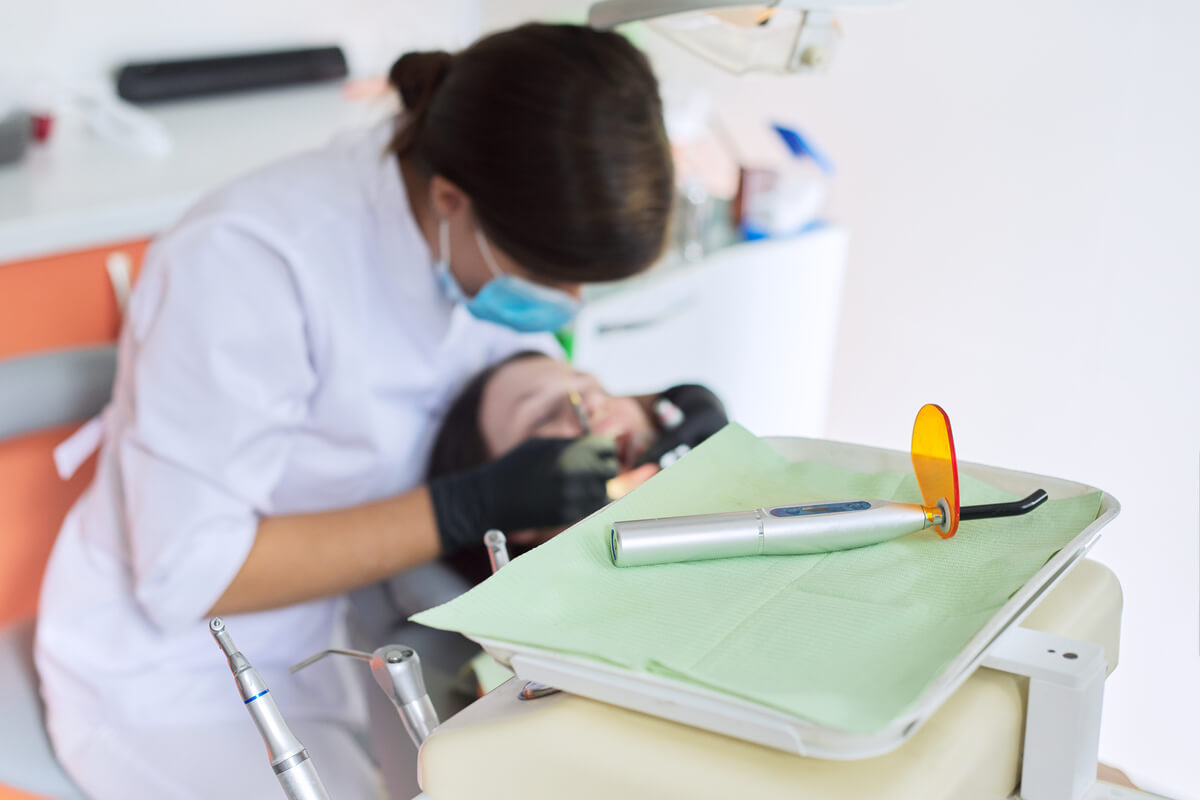
What to Expect During Your Composite Bonding Appointment
Curious about what happens during a composite bonding procedure? Here’s a step-by-step breakdown of what you can expect:
Preparation
Your dentist will begin by cleaning your tooth and selecting a resin colour that matches your natural teeth. Unlike with veneers, little to no preparation of the tooth surface is needed.
Application
The tooth is then roughened slightly and coated with a conditioning liquid to help the bonding material adhere. Your dentist will apply the tooth-coloured resin, moulding and smoothing it to the desired shape.
Curing
Once the resin is in place, a special light is used to harden or “cure” the material. This process only takes a few minutes per tooth.
Finishing Touches
After the resin has hardened, your dentist will further shape and polish the bonded tooth to ensure it matches your other teeth and fits comfortably with your bite.
Caring for Your Bonded Teeth
To ensure the longevity of your composite bonding, proper care is essential. Here are some tips to keep your newly enhanced smile looking its best:
Maintain Good Oral Hygiene
Brush twice daily with a non-abrasive toothpaste and floss regularly to keep your bonded teeth clean and healthy.
Be Mindful of Staining
While composite resin is resistant to staining, it’s not completely stain-proof. Try to limit consumption of staining foods and drinks like coffee, tea, and red wine.
Avoid Harmful Habits
Refrain from biting on hard objects like ice or pens, and don’t use your teeth as tools to open packaging. These habits can damage both natural and bonded teeth.
Regular Check-ups
Visit your dentist regularly for check-ups and professional cleanings to maintain the health and appearance of your bonded teeth.
Taking the Next Step
Composite bonding offers a quick, affordable, and effective way to enhance your smile. If you’re considering this treatment, the next step is to consult with a qualified dentist. They can assess your individual needs and determine if composite bonding is the right choice for you.
Remember, a beautiful smile is just an appointment away. Why not explore how composite bonding could transform your teeth and boost your confidence? Your perfect smile awaits!
What is Composite Bonding?
Understanding the Basics
Composite bonding is a popular cosmetic dental procedure that can transform your smile quickly and affordably. If you’re looking to improve the appearance of your teeth without invasive treatments, this might be the solution you’ve been searching for.
Definition of Composite Bonding
Composite bonding involves applying a tooth-coloured resin material to your teeth. This resin is carefully shaped and polished to blend seamlessly with your natural teeth, improving their appearance. The procedure gets its name from the way the resin bonds with your tooth enamel.
The Bonding Process
During the procedure, your dentist will first roughen the surface of your tooth slightly. They’ll then apply a conditioning liquid that helps the bonding material stick. The tooth-coloured resin is then applied, moulded, and smoothed to the desired shape. Finally, the resin is hardened using a special light, and any final adjustments are made.
How Composite Bonding Differs from Other Cosmetic Dental Procedures
Composite bonding stands out from other cosmetic dental treatments in several ways. Understanding these differences can help you decide if it’s the right choice for your dental needs.
Minimally Invasive
Unlike veneers or crowns, composite bonding typically doesn’t require removing any of your natural tooth enamel. This makes it a more conservative option for improving your smile.
Single Appointment
Most composite bonding procedures can be completed in just one visit to your dentist. Compare this to veneers or crowns, which often require multiple appointments and the creation of custom-made pieces in a dental laboratory.
Cost-Effective
Composite bonding is generally less expensive than other cosmetic dental procedures like veneers or orthodontics. This makes it an attractive option if you’re looking to improve your smile on a budget.
Reversible
If you’re not happy with the results or want to try a different treatment in the future, composite bonding can usually be removed without damaging your natural teeth. This isn’t the case with more permanent options like veneers.
Types of Dental Issues Composite Bonding Can Address
Composite bonding is a versatile treatment that can solve a variety of dental problems. Here are some common issues that this procedure can help with:
Chipped or Cracked Teeth
If you’ve chipped or cracked a tooth, perhaps from biting down on something hard or from an accident, composite bonding can restore its appearance. The resin is used to fill in the damaged area, making your tooth look whole again.
Gaps Between Teeth
Small gaps between your teeth, known as diastemas, can be filled using composite bonding. This can give you a more uniform smile without the need for orthodontic treatment.
Discoloured Teeth
For teeth that are resistant to whitening treatments, composite bonding can provide a solution. The resin can be colour-matched to your desired shade, covering up stubborn stains or discolouration.
Misshapen Teeth
If you have teeth that are oddly shaped or appear too small, composite bonding can be used to reshape them. This can help create a more balanced and aesthetically pleasing smile.
Minor Misalignment
While it can’t replace orthodontic treatment for significant alignment issues, composite bonding can sometimes be used to make slight adjustments to the appearance of mildly crooked teeth.
Protecting Exposed Roots
If you have receding gums that have left the roots of your teeth exposed, composite bonding can be used to cover and protect these sensitive areas.
It’s important to remember that while composite bonding can address many cosmetic dental issues, it may not be suitable for every situation. More severe dental problems might require alternative treatments. Always consult with your dentist to determine the best approach for your specific needs.
Composite bonding offers a quick, affordable, and effective way to enhance your smile. By understanding what it is, how it differs from other treatments, and what issues it can address, you’re better equipped to discuss this option with your dentist and decide if it’s right for you.
When is Composite Bonding Recommended?
Composite bonding is a versatile cosmetic dental procedure that can address a variety of dental issues. If you’re considering ways to improve your smile, it’s helpful to understand when dentists typically recommend this treatment. Let’s explore the common dental problems suitable for composite bonding and the factors that dentists consider when suggesting this procedure.
Common Dental Problems Suitable for Composite Bonding
Composite bonding can be an excellent solution for several dental issues. Here are some of the most common problems that this procedure can effectively address:
Chipped or Cracked Teeth
If you’ve accidentally chipped or cracked a tooth, perhaps from biting down on something hard or from a minor injury, composite bonding can often restore its appearance. The bonding material is used to fill in and reshape the damaged area, making your tooth look whole again.
Small Gaps Between Teeth
Do you have small spaces between your teeth that you’d like to close? Composite bonding can be used to fill these gaps, known as diastemas, creating a more uniform smile without the need for orthodontic treatment.
Discoloured or Stained Teeth
For teeth that are resistant to whitening treatments or have stubborn stains, composite bonding can provide a solution. The bonding material can be colour-matched to your desired shade, effectively covering up discolouration.
Misshapen or Undersized Teeth
If you have teeth that are oddly shaped or appear too small in proportion to your other teeth, composite bonding can be used to reshape them. This can help create a more balanced and aesthetically pleasing smile.
Minor Misalignment
While it’s not a substitute for orthodontic treatment in cases of significant misalignment, composite bonding can sometimes be used to make slight adjustments to the appearance of mildly crooked teeth.
Protecting Exposed Roots
If you have receding gums that have left the roots of your teeth exposed, composite bonding can be used to cover and protect these sensitive areas, reducing discomfort and improving appearance.
Factors Dentists Consider When Recommending Composite Bonding
When deciding whether to recommend composite bonding, dentists take several factors into account. Understanding these can help you have a more informed discussion with your dentist about your treatment options.
Extent of Dental Issue
Composite bonding is most effective for minor to moderate cosmetic issues. If you have severe dental problems, such as large cavities or significant structural damage, your dentist might recommend alternative treatments like crowns or veneers.
Overall Oral Health
Your general oral health plays a crucial role in determining if you’re a good candidate for composite bonding. If you have active gum disease or decay, these issues will need to be addressed before proceeding with any cosmetic treatments.
Bite Alignment
Your dentist will assess how your teeth come together when you bite. If you have a misaligned bite or grind your teeth, this could potentially damage the bonding material over time. In such cases, your dentist might suggest addressing these issues first or recommend alternative treatments.
Lifestyle Factors
Certain habits can affect the longevity of composite bonding. If you smoke, consume a lot of staining foods or drinks, or have habits like nail-biting or chewing on pens, your dentist will discuss how these might impact the durability of the bonding.
Cost Considerations
While composite bonding is generally less expensive than other cosmetic dental procedures, your dentist will consider your budget and discuss the cost implications of the treatment.
Long-term Goals
Your dentist will take into account your long-term smile goals. If you’re looking for a quick fix before considering more comprehensive treatments in the future, composite bonding can be an excellent interim solution.
The Transformation Process
While we can’t provide specific case studies, it’s worth understanding how composite bonding typically transforms a patient’s smile. The process usually involves the following steps:
Initial Consultation
Your dentist will examine your teeth, discuss your concerns, and determine if composite bonding is the right solution for you.
Treatment Planning
If composite bonding is recommended, your dentist will create a treatment plan, outlining which teeth will be treated and how the procedure will address your specific issues.
The Bonding Procedure
During the appointment, your dentist will apply the composite resin to your teeth, shaping and polishing it to blend seamlessly with your natural teeth.
Final Results
After the procedure, you’ll see an immediate improvement in your smile. The bonded teeth will look natural and blend in with your other teeth, enhancing your overall appearance.
Aftercare
Your dentist will provide instructions on how to care for your bonded teeth to ensure the longevity of the treatment.
Composite bonding can be an excellent option for many people looking to improve their smile. However, it’s essential to consult with a qualified dentist to determine if it’s the right choice for your specific dental needs. They can provide personalised advice and help you achieve the smile you’ve always wanted.
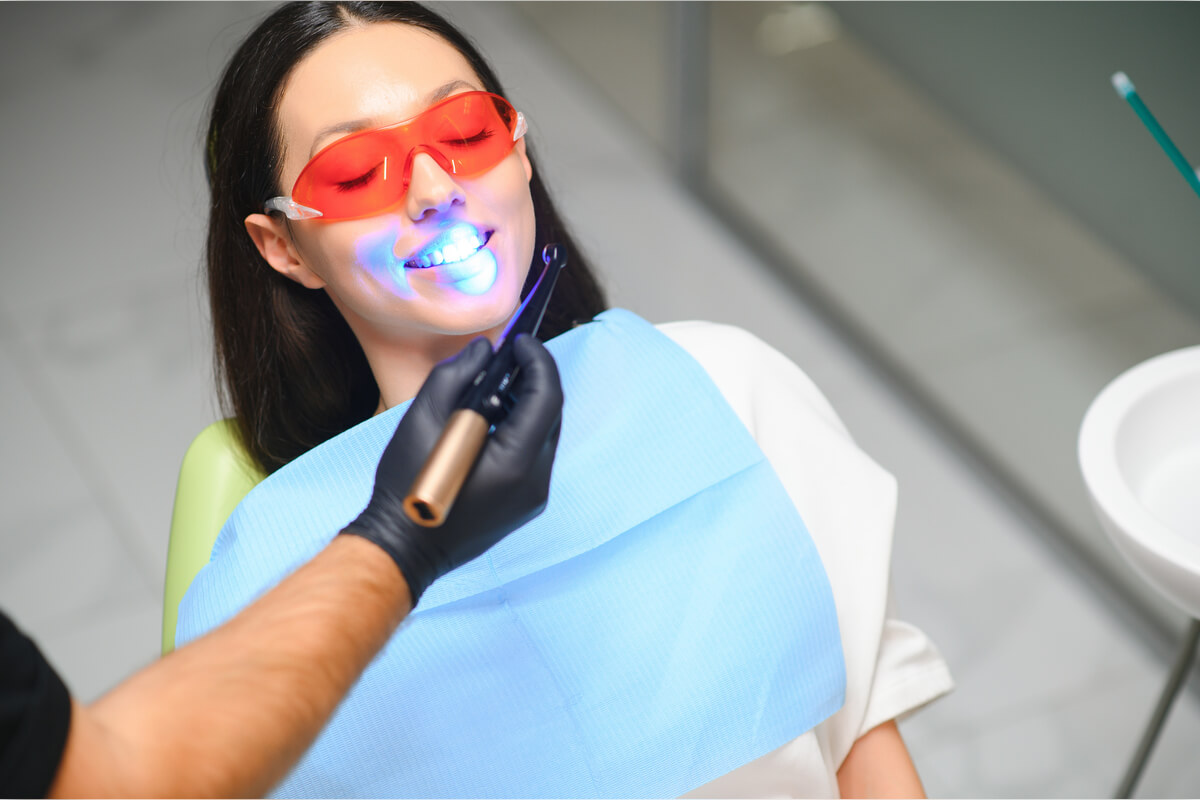
The Composite Bonding Procedure
If you’re considering composite bonding to enhance your smile, you might be wondering what exactly happens during the procedure. Understanding the process can help ease any concerns you might have and prepare you for your appointment. Let’s walk through the composite bonding procedure step by step, explore the materials used, and discuss how long you can expect to be in the dentist’s chair.
Step-by-Step Explanation of the Process
Composite bonding is a straightforward procedure that can usually be completed in a single visit to your dentist. Here’s what you can expect:
Preparation
Your dentist will begin by thoroughly cleaning your teeth. They’ll then use a shade guide to select a composite resin colour that closely matches your natural tooth colour. This ensures that the bonded area will blend seamlessly with the rest of your tooth.
Roughening the Tooth Surface
To help the bonding material adhere properly, your dentist will slightly roughen the surface of the tooth being treated. This is usually done with a gentle etching solution or a small handheld tool. Don’t worry – this process is painless and only affects the outermost layer of the tooth.
Applying the Bonding Agent
Once the tooth surface is prepared, your dentist will apply a liquid bonding agent. This acts like a glue, helping the composite resin stick to your tooth.
Applying the Composite Resin
The dentist will then apply the tooth-coloured composite resin. They’ll carefully mould and shape it to achieve the desired result, whether that’s filling a chip, closing a gap, or changing the shape of the tooth.
Curing the Material
Once the resin is in place, your dentist will use a special light to harden or ‘cure’ the material. This only takes a few seconds per layer of resin applied.
Final Shaping and Polishing
After the resin has hardened, your dentist will further shape and polish the bonded tooth to ensure it matches your other teeth and fits comfortably with your bite.
Materials Used in Composite Bonding
The main material used in composite bonding is a tooth-coloured resin. Let’s take a closer look at what this material is and why it’s used.
Composite Resin
The composite resin used in bonding is a plastic material mixed with tiny glass or ceramic particles. This combination gives the material strength and a natural-looking appearance. The resin comes in many shades, allowing your dentist to match it closely to your natural tooth colour.
Bonding Agent
Before applying the composite resin, your dentist will use a bonding agent. This is a type of adhesive that helps the resin stick to your tooth surface.
Etching Solution
In some cases, your dentist might use an etching solution to prepare your tooth surface. This is typically a mild acid that creates tiny grooves in your tooth enamel, helping the bonding material adhere more securely.
Duration and Number of Appointments Typically Required
One of the great advantages of composite bonding is its efficiency. Here’s what you can expect in terms of time commitment:
Single Appointment
In most cases, composite bonding can be completed in a single appointment. This is in contrast to other cosmetic dental procedures like veneers or crowns, which often require multiple visits.
Appointment Length
The length of your appointment will depend on how many teeth are being treated and the complexity of the procedure. Typically, bonding one tooth takes about 30 to 60 minutes. If you’re having multiple teeth bonded, your appointment might last a few hours.
No Recovery Time
Unlike some dental procedures, there’s no recovery time needed after composite bonding. You can eat, drink, and return to your normal activities immediately after leaving the dentist’s office.
Follow-Up Appointments
While not always necessary, your dentist might recommend a follow-up appointment to check on the bonding and make any minor adjustments if needed.
Composite bonding is a quick and effective way to improve your smile. The procedure is straightforward, typically completed in one visit, and doesn’t require any special preparation or recovery time. If you’re interested in composite bonding, the next step is to book a consultation with your dentist. They can assess your individual needs and determine if composite bonding is the right choice for enhancing your smile.
Benefits of Composite Bonding
Composite bonding has become increasingly popular in the UK as a cosmetic dental treatment, and for good reason. This versatile procedure offers a range of benefits that make it an attractive option for many people looking to enhance their smile. Let’s explore the advantages of composite bonding, from its aesthetic improvements to its cost-effectiveness.
Aesthetic Improvements
One of the primary reasons people choose composite bonding is the significant improvement it can make to the appearance of their teeth. Here’s how composite bonding can transform your smile:
Natural-Looking Results
The composite resin used in bonding can be precisely matched to the colour of your natural teeth, ensuring a seamless blend. This means that once the procedure is complete, it’s often difficult to tell which teeth have been bonded.
Versatile Cosmetic Solution
Composite bonding can address a wide range of cosmetic dental issues, including:
• Repairing chipped or cracked teeth
• Closing small gaps between teeth
• Changing the shape of teeth
• Covering discoloured or stained teeth
• Making teeth appear longer
Instant Smile Makeover
Unlike some cosmetic dental treatments that require multiple appointments, composite bonding can often provide an instant smile makeover in just one visit. You’ll leave the dentist’s office with a noticeably improved smile.
Minimally Invasive Nature
Another significant advantage of composite bonding is that it’s a minimally invasive procedure. This aspect makes it an excellent choice for those who may be nervous about more extensive dental work.
Preservation of Natural Tooth Structure
Unlike veneers or crowns, which require removing a portion of your natural tooth enamel, composite bonding typically requires little to no removal of tooth structure. This means your natural teeth remain largely intact.
Painless Procedure
In most cases, composite bonding can be performed without the need for local anaesthesia. This is because the procedure doesn’t involve drilling or cutting of the tooth, making it a comfortable experience for most patients.
Reversible Treatment
If you decide you’re not happy with the results or want to pursue a different treatment in the future, composite bonding can usually be removed without damaging your natural teeth. This gives you flexibility in your dental care decisions.
Cost-effectiveness Compared to Other Cosmetic Dental Procedures
When considering cosmetic dental treatments, cost is often a significant factor. Composite bonding offers several financial advantages:
Lower Initial Cost
Compared to other cosmetic dental procedures like veneers or crowns, composite bonding is typically less expensive. This makes it a more accessible option for many people looking to improve their smile.
No Need for Multiple Appointments
As composite bonding can usually be completed in one appointment, you won’t need to take additional time off work or make multiple trips to the dentist, saving you both time and money.
Longevity with Proper Care
While composite bonding may not last as long as some other cosmetic treatments, with proper care, it can last for several years before needing touch-ups or replacement. This makes it a cost-effective solution in the long run.
Quick Results and Minimal Recovery Time
In today’s fast-paced world, the speed and convenience of composite bonding make it an attractive option for many people.
Single Appointment Treatment
Most composite bonding procedures can be completed in a single appointment, typically lasting between 30 minutes to an hour per tooth. This means you can fit your treatment into a busy schedule without significant disruption.
Immediate Results
Unlike some dental treatments that require healing time before you see the final results, the effects of composite bonding are immediate. You’ll be able to enjoy your improved smile as soon as you leave the dentist’s chair.
No Recovery Period
There’s no downtime required after composite bonding. You can eat, drink, and return to your normal activities immediately after the procedure. This is particularly beneficial for those with busy lifestyles or who can’t afford to take time off work.
Composite bonding offers a range of benefits that make it a popular choice for cosmetic dental treatment in the UK. From its ability to provide natural-looking aesthetic improvements to its cost-effectiveness and quick results, it’s easy to see why many people opt for this procedure. If you’re considering composite bonding, it’s worth discussing these benefits with your dentist to determine if it’s the right choice for your dental needs and goals.
Potential Drawbacks and Limitations
While composite bonding offers many benefits, it’s important to understand that like any dental procedure, it also has some potential drawbacks and limitations. Being aware of these can help you make an informed decision about whether composite bonding is the right choice for your dental needs.
Durability Concerns
One of the main considerations when opting for composite bonding is its durability compared to other cosmetic dental treatments.
Lifespan of Composite Bonding
Composite bonding typically lasts between 3 to 10 years, depending on various factors. This is generally shorter than the lifespan of veneers or crowns, which can last 10 to 15 years or more.
Vulnerability to Chipping
The composite resin used in bonding, while durable, is not as strong as your natural tooth enamel. This means bonded areas can be more prone to chipping or breaking, especially if you have habits like biting your nails or chewing on hard objects.
Wear and Tear
Over time, the bonding material may wear down, especially on the edges of teeth. This can lead to a need for touch-ups or replacements more frequently than with other cosmetic dental treatments.
Staining and Discolouration Risks
Another potential drawback of composite bonding is its susceptibility to staining and discolouration over time.
Porous Nature of Composite Resin
The material used in composite bonding is slightly porous, which means it can absorb stains from food and drinks more easily than your natural teeth or porcelain veneers.
Common Staining Agents
Certain substances are more likely to cause staining on bonded teeth:
• Coffee and tea
• Red wine
• Tobacco products
• Strongly coloured foods like curries or berries
Polishing Limitations
Unlike natural teeth, which can often be polished to remove surface stains, heavily stained bonding may need to be replaced to restore its original colour.
Limitations in Severe Cases of Dental Issues
While composite bonding is a versatile treatment, it’s not suitable for all dental problems, particularly in more severe cases.
Extent of Damage
Composite bonding works best for minor to moderate cosmetic issues. For teeth with extensive damage or decay, other treatments like crowns or veneers might be more appropriate.
Bite Alignment Problems
If you have significant misalignment of your teeth or jaw, composite bonding alone may not be sufficient to address these issues. In such cases, orthodontic treatment might be necessary before or instead of bonding.
Strength Limitations
For teeth that undergo a lot of stress from biting or chewing, such as molars, composite bonding may not be strong enough to withstand the forces over time. In these cases, your dentist might recommend alternative treatments.
Whitening Constraints
If you’re planning to whiten your teeth, it’s important to note that composite bonding doesn’t respond to whitening treatments. This means that if you whiten your natural teeth, the bonded areas may no longer match in colour.
Despite these potential drawbacks and limitations, composite bonding remains a popular and effective cosmetic dental treatment for many people in the UK. The key is to have a thorough discussion with your dentist about your specific dental needs and expectations.
To maximise the benefits of composite bonding and minimise its drawbacks:
• Maintain excellent oral hygiene to protect both your natural teeth and the bonded areas.
• Avoid habits that could damage the bonding, such as biting nails or chewing on hard objects.
• Consider using a straw when drinking beverages that could stain your teeth.
• Attend regular dental check-ups to monitor the condition of your bonding and address any issues early.
Remember, your dentist is your best resource for determining whether composite bonding is the right choice for you. They can assess your individual situation and recommend the most appropriate treatment to achieve your desired smile.
Composite Bonding vs. Other Cosmetic Dental Procedures
When considering ways to improve your smile, it’s important to understand how composite bonding compares to other popular cosmetic dental treatments. This knowledge can help you make an informed decision about which option might be best for your specific needs and goals. Let’s explore how composite bonding stacks up against veneers, crowns, and orthodontic treatments.
Comparison with Veneers
Both composite bonding and veneers are popular choices for enhancing the appearance of teeth, but they differ in several key aspects.
Material and Application
Composite bonding uses a tooth-coloured resin that’s applied directly to your teeth and shaped by your dentist. Veneers, on the other hand, are thin shells of porcelain or composite material that are custom-made in a dental laboratory and then bonded to the front surface of your teeth.
Preparation Required
One of the main advantages of composite bonding is that it typically requires little to no removal of your natural tooth enamel. Veneers usually require some enamel removal to accommodate the veneer, making the process more invasive and irreversible.
Durability and Longevity
Veneers generally last longer than composite bonding, with porcelain veneers potentially lasting 10-15 years or more with proper care. Composite bonding typically lasts 3-10 years before needing touch-ups or replacement.
Stain Resistance
Porcelain veneers are more resistant to staining than composite bonding. However, composite bonding can be polished or replaced more easily if staining does occur.
Cost Considerations
Composite bonding is usually less expensive than veneers, especially porcelain veneers. This makes bonding a more accessible option for many people looking to improve their smile.
Comparison with Crowns
While both composite bonding and crowns can improve the appearance of teeth, they serve different purposes and are suited to different situations.
Coverage and Protection
Composite bonding is typically used to address minor cosmetic issues and covers only a portion of the tooth. Crowns, also known as caps, cover the entire visible portion of the tooth above the gum line, providing more comprehensive protection and support.
Strength and Durability
Crowns are generally stronger and more durable than composite bonding. They’re often recommended for teeth that have extensive decay, large fillings, or have undergone root canal treatment.
Preparation Process
Composite bonding requires minimal tooth preparation. For crowns, a significant amount of the natural tooth structure needs to be removed to accommodate the crown, making it a more invasive procedure.
Treatment Time
Composite bonding can usually be completed in a single visit to your dentist. Getting a crown typically requires at least two visits – one for preparation and one for placement of the permanent crown.
Cost Comparison
Composite bonding is generally less expensive than crowns. However, crowns may be more cost-effective in the long run for teeth that need significant structural support or protection.
Comparison with Orthodontic Treatments
While composite bonding can improve the appearance of teeth, it differs significantly from orthodontic treatments in terms of what issues it can address.
Purpose and Scope
Composite bonding is primarily used to improve the appearance of teeth by changing their shape, size, or colour. Orthodontic treatments, such as braces or clear aligners, are designed to correct the alignment of teeth and jaws.
Treatment Duration
Composite bonding can typically be completed in one or two dental visits. Orthodontic treatments usually take several months to a few years to achieve the desired results.
Addressing Misalignment
While composite bonding can sometimes be used to make minor adjustments to the appearance of slightly crooked teeth, it can’t correct significant misalignment or bite issues. Orthodontic treatments are necessary for these more substantial corrections.
Permanence of Results
The results of composite bonding are immediate but may need to be touched up or replaced over time. Orthodontic treatments provide more permanent results, although retainers may be needed to maintain the new position of your teeth.
Impact on Oral Health
Orthodontic treatments can improve overall oral health by making teeth easier to clean and reducing stress on the jaw. Composite bonding primarily offers cosmetic benefits, although it can help protect damaged teeth from further wear or decay.
When deciding between composite bonding and other cosmetic dental procedures, consider factors such as the extent of the dental issue you want to address, your budget, the desired longevity of results, and your willingness to undergo more invasive procedures. Your dentist can provide personalised advice based on a thorough examination of your teeth and discussion of your goals.
Remember, regular dental check-ups are crucial regardless of which treatment you choose. These visits allow your dentist to monitor the condition of your teeth and any cosmetic work you’ve had done, ensuring your smile stays healthy and beautiful for years to come.
Caring for Composite Bonding
After investing in composite bonding to enhance your smile, it’s crucial to maintain proper care to ensure the longevity and appearance of your bonded teeth. With the right approach to oral hygiene and some simple lifestyle adjustments, you can keep your composite bonding looking great for years to come. Let’s explore the best practices for caring for your composite bonding.
Daily Oral Hygiene Practices
Maintaining excellent oral hygiene is key to preserving the quality of your composite bonding. Here are some essential daily practices to incorporate into your routine:
Brushing Technique
Brush your teeth at least twice a day using a soft-bristled toothbrush. Use gentle, circular motions to clean all surfaces of your teeth, including the bonded areas. Avoid applying excessive pressure, as this can wear down the bonding material over time.
Choosing the Right Toothpaste
Opt for a non-abrasive toothpaste to prevent scratching the surface of the bonding. Look for toothpastes specifically designed for use with cosmetic dental work or ask your dentist for recommendations.
Flossing
Floss daily to remove plaque and food particles from between your teeth and around the edges of the bonded areas. Be gentle when flossing around bonded teeth to avoid dislodging the material.
Mouthwash
Use an alcohol-free mouthwash to help reduce bacteria in your mouth without potentially damaging the bonding material. Swish the mouthwash gently around your mouth, paying attention to the bonded areas.
Foods and Drinks to Avoid
While composite bonding is resistant to staining, it’s not completely stain-proof. To maintain the colour and integrity of your bonding, be mindful of consuming certain foods and drinks:
Staining Beverages
Limit your intake of beverages known to cause staining, such as:
• Coffee and tea
• Red wine
• Dark-coloured fizzy drinks
• Sports drinks
If you do consume these drinks, consider using a straw to minimise contact with your bonded teeth.
Hard and Sticky Foods
Be cautious with foods that could potentially chip or damage the bonding:
• Ice (avoid chewing)
• Hard sweets
• Toffees and other sticky confections
• Nuts and seeds
Acidic Foods
Acidic foods and drinks can weaken the bonding material over time. Limit your consumption of:
• Citrus fruits and juices
• Vinegar-based foods
• Fizzy drinks (including sugar-free varieties)
Regular Dental Check-ups and Professional Cleanings
Professional dental care plays a crucial role in maintaining your composite bonding and overall oral health.
Routine Check-ups
Schedule regular dental check-ups, typically every six months, or as recommended by your dentist. During these visits, your dentist can assess the condition of your bonding and address any issues early on.
Professional Cleanings
Regular professional cleanings help remove plaque and tartar buildup that can affect the appearance and longevity of your bonding. Your dental hygienist will use appropriate techniques and tools to clean around the bonded areas without causing damage.
Polishing
During your dental visits, your dentist may polish your bonded teeth to remove surface stains and restore shine. This can help maintain the natural-looking appearance of your composite bonding.
Touch-ups and Maintenance
Over time, your composite bonding may require some maintenance to keep it looking its best.
Addressing Chips or Wear
If you notice any chips or signs of wear on your bonded teeth, contact your dentist promptly. Small chips can often be repaired quickly and easily in a single appointment.
Colour Matching
As your natural teeth may change colour over time, you might need touch-ups to ensure your bonded teeth continue to match. Your dentist can adjust the colour of the bonding material as needed.
Replacement
While composite bonding can last for several years with proper care, it may eventually need to be replaced. Your dentist will advise you when replacement is necessary and discuss your options.
Whitening Considerations
Keep in mind that teeth whitening treatments won’t affect the colour of your bonded teeth. If you’re considering whitening, discuss this with your dentist to ensure a consistent smile appearance.
By following these care guidelines, you can help ensure that your composite bonding remains in top condition, providing you with a beautiful smile for years to come. Remember, your dentist is your best resource for personalised advice on caring for your composite bonding. Don’t hesitate to ask questions or raise any concerns during your regular check-ups.
Maintaining your composite bonding is an investment in your smile and overall oral health. With proper care and attention, you can enjoy the benefits of your enhanced smile while keeping your teeth healthy and strong.
Cost of Composite Bonding in the UK
When considering composite bonding to enhance your smile, understanding the associated costs is crucial. The price of composite bonding in the UK can vary widely depending on several factors. This section will provide you with a comprehensive overview of what you can expect to pay, the factors that influence the cost, and potential financing options to help make your dental dreams a reality.
Average Price Range
The cost of composite bonding in the UK typically falls within a certain range, though it’s important to note that prices can vary significantly depending on your location and specific needs.
Per Tooth Cost
On average, you can expect to pay between £100 and £400 per tooth for composite bonding. This price point makes it one of the more affordable cosmetic dental treatments available.
Full Smile Makeover
If you’re considering bonding for multiple teeth to achieve a full smile makeover, the total cost can range from £500 to £2,500 or more, depending on the number of teeth treated and the complexity of the procedure.
Factors Affecting Cost
Several factors can influence the final price of your composite bonding treatment. Understanding these can help you better anticipate and plan for the cost.
Number of Teeth
The more teeth that require bonding, the higher the overall cost will be. Your dentist will assess how many teeth need treatment to achieve your desired result.
Complexity of the Procedure
Some bonding procedures are more straightforward than others. For instance, filling a small chip might be less expensive than reshaping an entire tooth or closing a large gap.
Dentist’s Experience
Highly experienced cosmetic dentists may charge more for their services. However, their expertise can often result in superior, longer-lasting results.
Geographic Location
Dental costs can vary depending on where you live in the UK. Generally, practices in large cities, particularly London, may charge more than those in smaller towns or rural areas.
Additional Treatments
If you require other dental work before the bonding can be performed, such as treatment for decay or gum disease, this will add to the overall cost.
Insurance Coverage and Financing Options
While composite bonding is primarily considered a cosmetic procedure, there may be ways to make it more affordable.
NHS Coverage
The NHS typically doesn’t cover composite bonding as it’s considered a cosmetic treatment. However, if the bonding is necessary for health reasons, such as repairing a broken tooth, it might be covered under NHS Band 2 treatment.
Private Dental Insurance
Some private dental insurance plans may offer partial coverage for composite bonding, especially if it’s deemed medically necessary. Check your policy details or speak with your insurance provider to understand your coverage.
Dental Payment Plans
Many dental practices offer payment plans that allow you to spread the cost of treatment over several months. This can make composite bonding more accessible if you can’t pay the full amount upfront.
Dental Savings Plans
Some practices offer dental savings plans where you pay a yearly fee in exchange for discounts on various treatments, including composite bonding.
Healthcare Credit Cards
Specialised healthcare credit cards are available that can be used for dental treatments. These often offer interest-free periods, but be sure to understand the terms before applying.
Personal Loans
For more extensive treatments, you might consider a personal loan. However, be sure to carefully consider the interest rates and repayment terms.
When exploring the cost of composite bonding, it’s essential to consider not just the immediate price but also the long-term value. While it may seem tempting to opt for the cheapest option, investing in quality treatment from a reputable dentist can save you money in the long run by reducing the need for repairs or replacements.
Remember to discuss all costs upfront with your dentist before proceeding with treatment. Many practices offer free consultations where you can get a personalised quote based on your specific needs. Don’t hesitate to ask about payment options and any available discounts.
Ultimately, the cost of composite bonding should be weighed against the potential benefits to your smile and self-confidence. With proper care, composite bonding can provide a cost-effective way to enhance your smile for years to come.
Frequently Asked Questions About Composite Bonding
Composite bonding is a popular cosmetic dental treatment in the UK, but you might have some questions before deciding if it’s right for you. Let’s address some of the most common queries to help you make an informed decision about this smile-enhancing procedure.
How long does composite bonding last?
The longevity of composite bonding depends on several factors:
Average lifespan
Composite bonding typically lasts between 3 to 10 years. However, with proper care and maintenance, some patients enjoy their bonded teeth for even longer.
Factors affecting durability
The lifespan of your composite bonding can be influenced by:
- Oral hygiene habits
- Diet choices
- Teeth grinding or clenching
- The location of the bonded tooth in your mouth
Maintenance tips
To extend the life of your composite bonding:
- Brush twice daily with a non-abrasive toothpaste
- Floss regularly
- Avoid biting hard objects or using your teeth as tools
- Limit consumption of staining foods and drinks
- Visit your dentist for regular check-ups and professional cleanings
Is the procedure painful?
Good news! Composite bonding is generally a pain-free procedure.
Minimal discomfort
Most patients report little to no discomfort during the bonding process. The treatment is non-invasive and typically doesn’t require any drilling or removal of tooth structure.
No anaesthesia required
In most cases, local anaesthesia isn’t necessary for composite bonding. This means you can avoid the numbness associated with other dental procedures.
Post-procedure sensitivity
Some patients might experience mild sensitivity to hot and cold temperatures for a few days after the procedure. This is usually temporary and resolves on its own.
Can composite bonding be removed or reversed?
Yes, composite bonding is a reversible cosmetic dental treatment.
Non-permanent nature
Unlike some other cosmetic dental procedures, composite bonding doesn’t permanently alter your natural tooth structure. This makes it an excellent option for those who want to improve their smile without committing to an irreversible treatment.
Removal process
If you decide to have your composite bonding removed:
- Your dentist can safely remove the bonding material
- The process is usually quick and straightforward
- Your natural tooth structure remains intact
Alternative treatments
After removal, you can explore other cosmetic options or simply return to your natural teeth. Your dentist can guide you through the available alternatives if you’re considering a change.
Are there any age restrictions for composite bonding?
Composite bonding is suitable for most age groups, but there are some considerations to keep in mind.
Minimum age recommendation
Generally, dentists advise waiting until a person’s teeth have fully developed before considering composite bonding. This usually occurs in the late teens or early twenties.
Considerations for younger patients
For children and teenagers:
- Bonding might be used to repair chipped or fractured teeth
- It’s important to weigh the benefits against the need for potential replacements as the child grows
- A dentist can advise on the most appropriate timing for the procedure
No upper age limit
There’s no maximum age for composite bonding. Older adults can benefit from this treatment to address various cosmetic concerns, from discolouration to minor misalignments.
How quickly can I see results?
One of the most appealing aspects of composite bonding is the speed at which you can enjoy your new smile.
Immediate results
Composite bonding provides instant gratification. You’ll be able to see the transformation as soon as your dentist completes the procedure.
Single appointment
In most cases, composite bonding can be completed in a single dental visit. This means you can walk into the dental surgery with cosmetic concerns and leave with a beautifully enhanced smile.
No recovery period
Unlike some dental procedures, there’s no downtime after composite bonding. You can immediately return to your normal activities, including eating and drinking.
Composite bonding offers a quick, pain-free, and reversible way to enhance your smile. While it’s not a permanent solution, with proper care, it can provide long-lasting results. If you’re considering composite bonding, book a consultation with your dentist to discuss whether it’s the right option for your unique dental needs and aesthetic goals.
Myths and Misconceptions about Composite Bonding
As with many dental treatments, composite bonding is subject to various myths and misconceptions. Let’s unravel some of these common misunderstandings to help you make an informed decision about this popular cosmetic dental procedure.
“Composite bonding damages your natural teeth”
This is one of the most persistent myths about composite bonding, but it’s far from the truth.
Preservation of tooth structure
Composite bonding is actually one of the most conservative cosmetic dental treatments available. Unlike some other procedures, it doesn’t require the removal of healthy tooth structure.
Non-invasive application
The composite resin is applied directly to your tooth surface and shaped to achieve the desired result. There’s no drilling or cutting involved in most cases, which means your natural tooth remains intact beneath the bonding material.
Reversible procedure
If you ever decide to remove the bonding, your dentist can do so without harming your natural tooth. This makes composite bonding an excellent choice for those who want to improve their smile without committing to permanent changes.
Proper care is key
While the bonding itself doesn’t damage your teeth, it’s crucial to maintain good oral hygiene to prevent decay or gum problems around the bonded area. Regular brushing, flossing, and dental check-ups will help keep your natural teeth healthy.
“The results look fake or unnatural”
This misconception likely stems from outdated information or experiences with poorly done bonding. Modern composite bonding techniques can provide remarkably natural-looking results.
Advanced materials
Today’s composite resins come in a wide range of shades and translucencies, allowing dentists to match the colour and appearance of your natural teeth precisely.
Skilled application
Experienced dentists use artistic techniques to shape the composite material, mimicking the natural contours, texture, and light reflection of real teeth. The result is a seamless blend with your existing smile.
Customised treatment
Composite bonding is tailored to each individual’s needs and desires. Your dentist will work with you to achieve a look that enhances your smile while maintaining a natural appearance.
Importance of choosing a qualified dentist
To ensure the best results, it’s crucial to choose a dentist with experience and expertise in cosmetic procedures. Don’t hesitate to ask to see before-and-after photos of their previous work.
“It’s only for cosmetic purposes and not functional improvements”
While composite bonding is indeed popular for cosmetic enhancements, its benefits extend beyond mere aesthetics.
Structural repairs
Composite bonding can be used to repair chipped, cracked, or worn teeth, restoring their structural integrity and function. This can help prevent further damage and improve your ability to bite and chew comfortably.
Protective barrier
In some cases, bonding can be applied to protect exposed root surfaces caused by gum recession. This can help reduce sensitivity and protect the vulnerable root area from decay.
Cavity treatment
Composite resin is also used as a tooth-coloured filling material for treating cavities. It provides a durable, natural-looking alternative to traditional amalgam fillings.
Improved oral health
By addressing issues like chips, gaps, or misshapen teeth, composite bonding can make it easier to clean your teeth effectively. This can contribute to better overall oral health and potentially reduce the risk of future dental problems.
Boost in confidence
While not a physical function, the psychological benefits of an improved smile shouldn’t be underestimated. Many patients report increased confidence in social and professional situations after composite bonding treatment.
Understanding the facts about composite bonding can help you make an informed decision about whether this treatment is right for you. It’s a versatile, non-invasive procedure that can address both cosmetic and functional dental issues. However, like any dental treatment, it’s important to discuss your specific needs and expectations with a qualified dentist. They can provide personalised advice and help you achieve the best possible results for your smile.
When to Seek Professional Help for Composite Bonding
Recognising when composite bonding might be right for you and knowing how to approach the process can make a significant difference in your dental health and overall confidence. This section will guide you through identifying potential needs, understanding the importance of professional consultation, and preparing for your first appointment.
Signs that you might benefit from composite bonding
Composite bonding can address a variety of dental issues. Here are some signs that this treatment might be suitable for you:
Visible tooth damage
If you have chipped, cracked, or fractured teeth, composite bonding can restore their appearance and protect them from further damage. Even small chips can benefit from this treatment.
Tooth discolouration
For teeth that are resistant to whitening treatments or have localised staining, bonding can provide a uniform, brighter appearance.
Gaps between teeth
Small to moderate spaces between teeth, known as diastemas, can often be closed using composite bonding, improving the overall look of your smile.
Misshapen teeth
If you have teeth that are oddly shaped or appear too small, bonding can help reshape them to create a more balanced and aesthetically pleasing smile.
Exposed tooth roots
In cases of gum recession where tooth roots become visible, bonding can cover these sensitive areas, reducing discomfort and improving appearance.
Importance of consulting with a qualified cosmetic dentist
While composite bonding can seem straightforward, it’s crucial to seek the expertise of a qualified cosmetic dentist. Here’s why:
Personalised treatment planning
A skilled cosmetic dentist will assess your overall oral health, facial features, and personal goals to create a treatment plan tailored to your unique needs.
Technical expertise
Proper application of composite bonding requires a high level of skill and artistry. An experienced dentist can ensure natural-looking results that blend seamlessly with your existing teeth.
Material selection
Dentists have access to high-quality bonding materials and can choose the most suitable type and shade for your specific case.
Long-term considerations
A qualified professional can advise you on the longevity of the treatment, potential maintenance needs, and any alternative options that might be more suitable for your situation.
Safety assurance
By choosing a registered dental professional, you can be confident that the procedure will be carried out safely and in line with current best practices.
What to expect during an initial consultation
Your first appointment for composite bonding is an opportunity to discuss your goals and learn more about the procedure. Here’s what typically happens:
Comprehensive dental examination
Your dentist will thoroughly examine your teeth, gums, and overall oral health. This may include taking X-rays to identify any underlying issues that could affect the bonding process.
Discussion of your concerns
You’ll have the chance to explain what you’d like to change about your smile. Be open and honest about your expectations to ensure the best possible outcome.
Treatment options review
Your dentist will explain how composite bonding can address your concerns and discuss any alternative treatments that might be suitable. They’ll help you understand the pros and cons of each option.
Visual aids
Many dentists use before-and-after photos or digital imaging to give you an idea of what results you can expect. This can help you visualise the potential changes to your smile.
Cost and timeline discussion
You’ll receive information about the expected cost of treatment, including whether it’s covered by the NHS or if it’s a private treatment. Your dentist will also explain how long the procedure is likely to take and how many appointments you might need.
Addressing your questions
Don’t hesitate to ask any questions you have about the procedure, aftercare, or expected results. A good dentist will take the time to ensure you feel fully informed and comfortable.
Remember, seeking professional help for composite bonding is not just about improving your smile – it’s about ensuring your dental health and overall well-being. By recognising when you might benefit from this treatment and consulting with a qualified cosmetic dentist, you’re taking an important step towards achieving the smile you desire. The initial consultation is your opportunity to gather all the information you need to make an informed decision about your dental care.
Wrapping Up: The Benefits of Composite Bonding
As we’ve explored throughout this article, composite bonding offers a versatile and effective solution for various dental concerns. Let’s recap the key points and consider why this treatment might be right for you.
Key takeaways about composite bonding
Here’s a summary of the most important aspects of composite bonding we’ve covered:
Versatile treatment
Composite bonding can address a range of dental issues, from chips and cracks to discolouration and gaps between teeth. It’s a flexible solution that can be tailored to your specific needs.
Minimally invasive procedure
Unlike some other cosmetic dental treatments, composite bonding typically doesn’t require removing healthy tooth structure. This makes it a conservative option for enhancing your smile.
Quick results
Many composite bonding procedures can be completed in a single visit to your dentist, allowing you to see immediate improvements in your smile.
Cost-effective option
Compared to other cosmetic dental treatments like veneers or crowns, composite bonding is often more affordable, making it accessible to a wider range of patients.
Natural-looking results
With modern materials and skilled application, composite bonding can provide remarkably natural-looking results that blend seamlessly with your existing teeth.
Is composite bonding right for you?
Consider composite bonding if you’re dealing with any of the following dental issues:
Minor cosmetic concerns
If you have small chips, cracks, or discolouration that affect your confidence, composite bonding could be an excellent solution. It’s particularly suited for addressing localised issues without affecting your entire smile.
Gaps between teeth
For small to moderate spaces between teeth, composite bonding can provide a quick and effective closure without the need for orthodontic treatment.
Tooth sensitivity
If you’re experiencing sensitivity due to exposed tooth roots, composite bonding can cover these areas, providing protection and relief.
Desire for reversible treatment
Unlike some permanent cosmetic dentistry options, composite bonding can be removed if you change your mind or want to explore other treatments in the future.
Budget-conscious smile enhancement
If you’re looking to improve your smile without breaking the bank, composite bonding offers a cost-effective alternative to more expensive cosmetic dental procedures.
Taking the next step
If you think composite bonding might be the solution you’ve been looking for, here’s what to do next:
Book a consultation
Reach out to a qualified cosmetic dentist in your area to schedule an initial consultation. This appointment will allow you to discuss your concerns and goals in detail.
Prepare your questions
Before your consultation, jot down any questions or concerns you have about composite bonding. This will ensure you get all the information you need to make an informed decision.
Consider your timeline
Think about when you’d like to have the procedure done. Because composite bonding often requires just one appointment, you might be able to fit it into your schedule more easily than you think.
Explore payment options
During your consultation, ask about available payment plans or financing options if the cost is a concern. Many dental practices offer flexible payment solutions to make treatments more accessible.
Maintain realistic expectations
While composite bonding can dramatically improve your smile, it’s important to have realistic expectations. Discuss potential outcomes thoroughly with your dentist to ensure you’re both on the same page.
Composite bonding offers a promising solution for many common dental concerns, combining affordability with impressive results. By taking the time to understand this treatment and consult with a professional, you’re taking an important step towards achieving the smile you desire. Don’t let minor dental imperfections hold you back – reach out to a cosmetic dentist today and discover how composite bonding could transform your smile and boost your confidence.
Expanding Your Dental Knowledge: Related Topics
While composite bonding is an excellent solution for many dental concerns, it’s beneficial to understand other treatments and aspects of oral health. This section will introduce you to related topics that can help you make informed decisions about your dental care.
Teeth whitening options in the UK
If you’re looking to brighten your smile, there are several teeth whitening options available in the UK:
Professional in-office whitening
Dentist-supervised treatments use higher concentrations of whitening agents for faster, more dramatic results. These treatments are typically completed in one or two visits to your dental surgery.
Take-home whitening kits
Custom-fitted trays filled with professional-grade whitening gel can be used at home under your dentist’s guidance. This method offers flexibility and gradual results over a few weeks.
Over-the-counter products
While less potent than professional options, whitening toothpastes, strips, and gels available in shops can provide mild whitening effects for surface stains.
Safety considerations
Always consult your dentist before starting any whitening treatment to ensure it’s suitable for your teeth and won’t cause sensitivity or damage.
Understanding dental veneers
Dental veneers offer another option for transforming your smile:
Porcelain veneers
These thin, custom-made shells of tooth-coloured materials are bonded to the front of teeth to improve their appearance. They’re highly durable and resist staining.
Composite resin veneers
Similar to composite bonding but covering the entire front surface of the tooth, these veneers can be applied in a single visit and are less expensive than porcelain options.
Longevity and maintenance
Veneers typically last 10-15 years with proper care. They require regular brushing and flossing, just like natural teeth.
Irreversible procedure
Unlike composite bonding, veneers usually require removal of a small amount of enamel, making the process irreversible. Consider this carefully before deciding.
Invisalign vs. traditional braces
For those considering orthodontic treatment, understanding the differences between Invisalign and traditional braces is crucial:
Invisalign clear aligners
These custom-made, removable plastic trays gradually shift teeth into position. They’re nearly invisible and can be removed for eating and cleaning.
Traditional metal braces
Fixed brackets and wires apply constant pressure to move teeth. While more noticeable, they can treat a wider range of orthodontic issues.
Treatment duration and effectiveness
The choice between Invisalign and braces depends on the complexity of your case. Your orthodontist can advise which option will achieve the best results for your specific needs.
Cost considerations
In the UK, both options are available on the NHS for eligible patients under 18. For adults, private treatment costs can vary, with Invisalign often being slightly more expensive.
Treating tooth sensitivity
If you experience discomfort when consuming hot, cold, or sweet foods and drinks, you may have sensitive teeth:
Causes of sensitivity
Tooth sensitivity can result from worn enamel, exposed tooth roots, cavities, or gum recession. Identifying the cause is crucial for effective treatment.
At-home remedies
Using desensitising toothpaste, soft-bristled brushes, and avoiding acidic foods can help manage sensitivity. Fluoride mouthwashes may also strengthen tooth enamel.
Professional treatments
Your dentist might recommend fluoride varnishes, dental bonding to cover exposed roots, or even root canal treatment for severe cases.
Preventive measures
Maintaining good oral hygiene, using a nightguard if you grind your teeth, and avoiding over-brushing can help prevent sensitivity from developing.
The importance of good oral hygiene
Regardless of any dental treatments you undergo, maintaining good oral hygiene is essential for long-term dental health:
Daily brushing and flossing
Brush twice daily with fluoride toothpaste and floss at least once a day to remove plaque and food particles that can lead to decay and gum disease.
Regular dental check-ups
Visit your dentist every six months for professional cleaning and early detection of any dental issues. NHS dental check-ups are available at subsidised rates.
Balanced diet
Limit sugary and acidic foods and drinks, which can erode enamel and promote decay. Include calcium-rich foods to support strong teeth and bones.
Additional oral care products
Consider incorporating mouthwash, interdental brushes, or water flossers into your routine for comprehensive plaque removal and fresh breath.
By exploring these related topics, you can gain a more comprehensive understanding of your dental health options. Whether you’re considering cosmetic improvements, addressing orthodontic issues, or simply aiming to maintain a healthy smile, being well-informed will help you make the best decisions for your oral health. Remember, your dentist is always the best source of personalised advice for your specific dental needs.