
Dental Anaesthesia: A Comprehensive Guide for UK Patients
Dental procedures have come a long way in recent years, and one of the most significant advancements is in the field of dental anaesthesia. Whether you’re preparing for a routine filling or a more complex oral surgery, understanding dental anaesthesia can help ease your concerns and ensure a more comfortable experience.
Dental anaesthesia refers to the use of medications to prevent pain during dental procedures. It’s a crucial aspect of modern dentistry that allows dentists to perform treatments effectively while keeping patients comfortable and relaxed.
Types of Dental Anaesthesia
There are several types of dental anaesthesia, each suited for different procedures and patient needs:

Local Anaesthesia
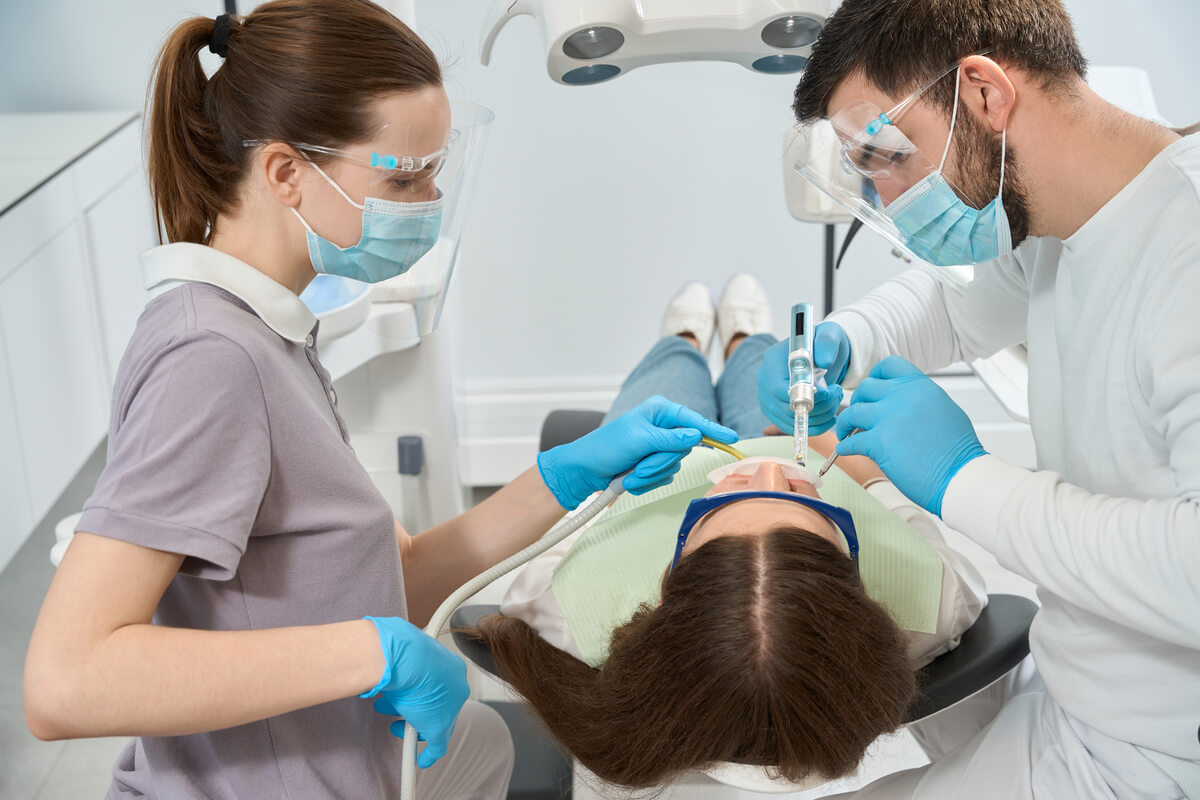
This is the most common type used in UK dental practices. It involves numbing a specific area of your mouth, allowing you to remain fully conscious during the procedure. Your dentist might use terms like “lidocaine” or “articaine” when referring to local anaesthetics.
Sedation
For patients with dental anxiety or those undergoing longer procedures, sedation can help induce a state of relaxation. This can range from mild sedation (where you’re awake but relaxed) to deep sedation (where you’re on the edge of consciousness).
General Anaesthesia
Reserved for complex oral surgeries or for patients with special needs, general anaesthesia renders you completely unconscious. This type is typically administered in a hospital setting or specialist dental clinic.
Why Understanding Dental Anaesthesia Matters
Knowing about dental anaesthesia can benefit you in several ways:
Reduced Anxiety
Understanding the process can help alleviate fears and misconceptions about dental procedures. Many people find that knowledge empowers them to feel more in control and less anxious.
Informed Decisions
Being aware of your anaesthesia options allows you to have meaningful discussions with your dentist about the best approach for your specific needs and preferences.
Better Preparation
Knowing what to expect can help you prepare properly for your dental appointment, whether it’s arranging transportation after sedation or following pre-procedure instructions.
Key Questions This Guide Will Address
As we explore dental anaesthesia in depth, we’ll answer several crucial questions:
Safety Concerns
Is dental anaesthesia safe? What are the potential risks and how are they managed in UK dental practices?
Effectiveness
How well does dental anaesthesia work? Will you feel any pain during or after your procedure?
Duration
How long does the numbness last? When can you return to normal activities like eating and drinking?
Special Considerations
Are there any special considerations for children, pregnant women, or individuals with certain medical conditions?
Preparation and Aftercare
What should you do before and after receiving dental anaesthesia? Are there any precautions you need to take?
By addressing these questions and more, this guide aims to provide you with a comprehensive understanding of dental anaesthesia. Remember, while this information is designed to inform and reassure you, it’s not a substitute for professional dental advice. Always consult with your dentist about your specific situation and concerns.
In the following sections, we’ll take a closer look at each type of dental anaesthesia, explore their uses, benefits, and potential side effects, and provide practical advice for your next dental visit. Whether you’re preparing for a routine check-up or a more complex procedure, this guide will help you approach your dental care with confidence and knowledge.
What is Dental Anaesthesia?
Dental anaesthesia is a crucial aspect of modern dentistry that allows for comfortable and pain-free dental procedures. It’s a method of pain control that temporarily numbs a specific area of your mouth or puts you in a relaxed state, depending on the type used. Let’s explore dental anaesthesia in more detail to help you understand what to expect during your next dental visit.
Definition and Explanation
Dental anaesthesia refers to the use of medication to prevent pain during dental procedures. It works by blocking the nerves that transmit pain signals to your brain, allowing your dentist to carry out treatments without causing you discomfort. The type and amount of anaesthesia used depend on the procedure you’re having and your individual needs.
Types of Dental Anaesthesia
There are three main types of dental anaesthesia used in UK dental practices. Each serves a different purpose and is suitable for various procedures and patient needs:
Local Anaesthesia
This is the most common type of dental anaesthesia. It numbs a specific area of your mouth, allowing you to remain fully conscious during the procedure. Your dentist might use terms like “numbing jab” or mention specific medications such as lidocaine or articaine.
How it’s administered
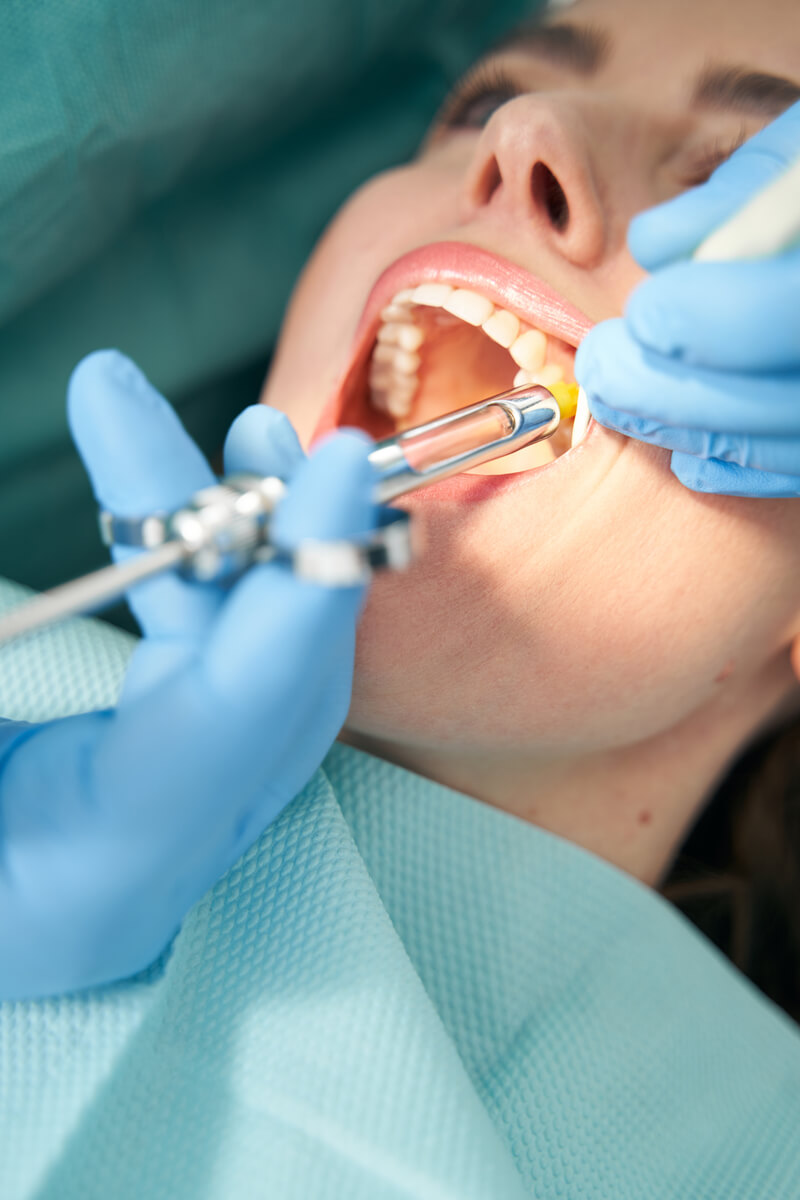
Local anaesthesia is typically given as an injection into your gum or inner cheek. You might feel a slight pinch, but the area quickly becomes numb.
When it’s used
Local anaesthesia is used for most routine dental procedures, including fillings, crowns, and root canals.
Sedation
Sedation is used to help patients relax during dental procedures. It doesn’t make you unconscious but puts you in a state of calm. There are different levels of sedation, from minimal to deep.
Types of sedation
- Inhaled sedation (laughing gas)
- Oral sedation (pills)
- Intravenous (IV) sedation
When it’s used
Sedation is often used for patients with dental anxiety, those undergoing longer procedures, or for complex treatments like wisdom tooth extraction.
General Anaesthesia
General anaesthesia renders you completely unconscious. It’s rarely used in general dental practice and is typically reserved for complex oral surgeries or for patients with special needs.
Where it’s administered
General anaesthesia is usually given in a hospital setting or specialist dental clinic under the supervision of an anaesthetist.
When it’s used
It’s used for extensive procedures such as jaw surgery or multiple tooth extractions, especially in cases where the patient can’t cooperate (like young children or individuals with disabilities).
How Dental Anaesthesia Works
The mechanism of action varies depending on the type of anaesthesia used:
Local Anaesthesia
Local anaesthetics work by blocking the nerve endings in a specific area. They prevent nerve fibres from transmitting pain signals to your brain, effectively numbing the area.
The process
- The anaesthetic is injected near the nerve endings.
- It blocks sodium channels in the nerve cell membrane.
- This prevents the nerve from sending pain signals to the brain.
- The area becomes numb, allowing for pain-free treatment.
Sedation
Sedatives work on your central nervous system, helping you relax. They don’t block pain, which is why local anaesthesia is often used alongside sedation.
Effects on the body
- Slows down brain activity
- Reduces anxiety
- Induces a state of calm
- May cause drowsiness or light sleep in deeper levels of sedation
General Anaesthesia
General anaesthetics affect your entire body, inducing a state of controlled unconsciousness. They work by interrupting nerve signals in your brain and body.
Stages of general anaesthesia
- Induction: You’re given medications that make you fall asleep.
- Maintenance: Additional medications keep you unconscious during the procedure.
- Recovery: As the medications wear off, you gradually regain consciousness.
Understanding dental anaesthesia can help alleviate fears and prepare you for your dental visit. Remember, your dentist will always discuss the most appropriate type of anaesthesia for your specific procedure and address any concerns you might have. Don’t hesitate to ask questions – your comfort and safety are paramount in any dental treatment.
When is Dental Anaesthesia Used?
Dental anaesthesia plays a crucial role in many dental procedures, ensuring your comfort and allowing dentists to work effectively. Understanding when and why anaesthesia is used can help you feel more at ease during your dental visits. Let’s explore the common scenarios where dental anaesthesia comes into play.
Common Dental Procedures Requiring Anaesthesia
Many dental treatments involve the use of anaesthesia to ensure a pain-free experience. Here are some of the most common procedures where you might encounter dental anaesthesia:
Fillings and Restorations
When treating tooth decay, your dentist will typically use local anaesthesia to numb the area around the affected tooth. This allows them to remove the decayed material and place a filling without causing you discomfort.
Root Canal Treatment
Root canal procedures involve treating the sensitive inner pulp of a tooth. Local anaesthesia is essential to ensure you remain comfortable throughout this more invasive treatment.
Tooth Extractions
Whether it’s a simple extraction or a more complex wisdom tooth removal, anaesthesia is crucial. Depending on the complexity, your dentist might use local anaesthesia or recommend sedation.
Dental Implant Placement
The surgical process of placing a dental implant requires anaesthesia. Often, a combination of local anaesthesia and sedation is used to ensure comfort during this longer procedure.
Deep Cleaning (Scale and Polish)
For patients with sensitive teeth or gums, or when deep cleaning below the gum line is necessary, local anaesthesia might be used to prevent discomfort.
Factors Influencing the Need for Anaesthesia
The decision to use anaesthesia, and which type to use, depends on various factors. Your dentist will consider these when planning your treatment:
Procedure Complexity
More complex or invasive procedures typically require stronger or longer-lasting anaesthesia. For instance, a simple filling might only need local anaesthesia, while wisdom tooth surgery might call for both local anaesthesia and sedation.
Treatment Duration
Longer procedures often necessitate more robust anaesthesia to ensure your comfort throughout. Your dentist might opt for a longer-lasting local anaesthetic or consider sedation for extended treatments.
Area Being Treated
Different parts of your mouth have varying levels of sensitivity. Treatments in more sensitive areas, like the palate or front teeth, might require additional anaesthesia.
Patient Comfort and Anxiety Levels
If you experience dental anxiety, your dentist might recommend sedation in addition to local anaesthesia, even for relatively simple procedures. This helps ensure you remain calm and comfortable throughout your visit.
Patient-Specific Considerations
Every patient is unique, and there are several individual factors that can influence the use of dental anaesthesia:
Medical History
Your overall health and any existing medical conditions play a crucial role in determining the appropriate type and amount of anaesthesia. Conditions like heart disease, diabetes, or respiratory issues might affect the choice of anaesthetic.
Important: Always provide your dentist with a complete and up-to-date medical history.
Medication Use
Certain medications can interact with dental anaesthetics. Be sure to inform your dentist about all medications you’re taking, including over-the-counter drugs and supplements.
Allergies
If you have known allergies, especially to medications, make sure to discuss these with your dentist. There are various types of local anaesthetics available, and your dentist can choose one that’s safe for you.
Previous Experiences with Anaesthesia
If you’ve had positive or negative experiences with dental anaesthesia in the past, share this information with your dentist. It can help them tailor the anaesthetic approach to your needs.
Pregnancy
If you’re pregnant or think you might be, inform your dentist. While many dental procedures can be safely performed during pregnancy, your dentist might adjust the type or amount of anaesthesia used.
Age Considerations
Children and older adults might require special considerations when it comes to dental anaesthesia. Your dentist will take age into account when determining the most appropriate anaesthetic approach.
Remember, your dentist is there to ensure your comfort and safety. Don’t hesitate to discuss any concerns you have about anaesthesia during your dental visits. Open communication with your dental team is key to a positive experience and optimal oral health outcomes.
Types of Dental Anaesthesia in Detail
Understanding the different types of dental anaesthesia can help you feel more at ease during your dental visits. In this section, we’ll explore local anaesthesia, sedation, and general anaesthesia, providing you with a comprehensive overview of each type and its applications in UK dental practices.
Local Anaesthesia
Local anaesthesia is the most common type of dental anaesthesia used in the UK. It’s designed to numb a specific area of your mouth, allowing you to remain fully conscious during the procedure.
How it’s administered
Your dentist will typically administer local anaesthesia through an injection into your gum or inner cheek. Here’s what you can expect:
- A topical anaesthetic gel may be applied to numb the injection site
- The dentist will use a very fine needle to inject the anaesthetic
- You might feel a slight pinch or burning sensation, but this quickly subsides
- The area will become numb within a few minutes
Duration of effect
The duration of local anaesthesia can vary depending on the type used and the individual patient. Generally, you can expect:
- Numbness to last for 1-3 hours for short-acting anaesthetics
- Up to 4-8 hours for longer-acting anaesthetics
- Gradual return of sensation as the anaesthetic wears off
Common local anaesthetics used in UK dental practices
UK dentists typically use the following local anaesthetics:
- Lidocaine (also known as Lignocaine)
- Articaine
- Prilocaine
- Mepivacaine
Your dentist will choose the most appropriate anaesthetic based on your individual needs and the procedure being performed.
Sedation
Sedation is used to help patients relax during dental procedures. It’s particularly useful for those with dental anxiety or for longer, more complex treatments.
Levels of sedation
There are three main levels of sedation used in dentistry:
Minimal sedation
You’ll feel relaxed but remain fully awake and able to respond to verbal commands.
Moderate sedation
You’ll be more deeply relaxed, may slur your words, and might not remember much of the procedure afterwards.
Deep sedation
You’ll be on the edge of consciousness but can still be awakened if needed.
Methods of administration
Sedation can be administered in several ways:
Oral sedation
Taken in pill form before the procedure, often used for minimal to moderate sedation.
Inhalation sedation
Also known as “laughing gas,” this involves breathing in nitrous oxide mixed with oxygen for minimal sedation.
Intravenous (IV) sedation
Sedative drugs are administered directly into your bloodstream for moderate to deep sedation.
Suitability for different patients and procedures
Sedation might be recommended for:
- Patients with dental anxiety or phobia
- Complex or lengthy dental procedures
- Patients with a strong gag reflex
- Those undergoing multiple treatments in one session
Your dentist will assess your medical history and the planned procedure to determine if sedation is appropriate for you.
General Anaesthesia
General anaesthesia is rarely used in general dental practice but may be necessary for certain situations.
When it’s necessary
General anaesthesia might be used for:
- Complex oral surgeries
- Patients unable to cooperate due to physical or mental disabilities
- Young children requiring extensive dental work
- Extremely anxious patients when other methods have failed
Risks and considerations
While generally safe, general anaesthesia carries more risks than local anaesthesia or sedation. These can include:
- Allergic reactions
- Breathing difficulties
- Rarely, complications affecting the heart or brain
Your medical history will be carefully reviewed to minimise these risks.
Where it’s performed
In the UK, general anaesthesia for dental procedures is typically performed in:
- Hospital settings
- Specialist dental clinics with appropriate facilities
It’s always administered and monitored by a qualified anaesthetist.
Understanding these different types of dental anaesthesia can help you feel more prepared for your dental treatments. Remember, your dentist is there to ensure your comfort and safety. Don’t hesitate to discuss any concerns or questions you have about anaesthesia during your dental consultations.
The Dental Anaesthesia Process
Understanding the dental anaesthesia process can help alleviate anxiety and prepare you for your dental procedure. Let’s walk through each stage of the process, from the initial assessment to your recovery.
Pre-anaesthesia Assessment
Before administering any form of anaesthesia, your dentist will conduct a thorough assessment to ensure your safety and determine the most appropriate anaesthetic approach.
Medical History Review
Your dentist will ask about your medical history, including:
- Current health conditions
- Past surgeries or medical procedures
- Allergies, especially to medications
- Current medications, including over-the-counter drugs and supplements
Physical Examination
A brief physical exam may include:
- Checking your blood pressure and heart rate
- Examining your mouth and airway
- Assessing your overall health condition
Discussion of Anaesthesia Options
Based on your health status and the planned procedure, your dentist will explain:
- The type of anaesthesia recommended
- Potential risks and benefits
- Any pre-procedure instructions (e.g., fasting requirements for sedation)
Your role
Don’t hesitate to ask questions or express concerns during this discussion. Your understanding and comfort are crucial.
During the Procedure
The anaesthesia process during your dental procedure will vary depending on the type of anaesthesia used.
Local Anaesthesia
If you’re receiving local anaesthesia:
- A topical anaesthetic gel may be applied to numb the injection site
- The local anaesthetic will be injected into your gum or inner cheek
- You’ll remain awake but won’t feel pain in the numbed area
- Your dentist will check that the area is fully numb before starting the procedure
Sedation
For procedures involving sedation:
- Oral sedation: You’ll take a pill before the procedure
- Inhalation sedation: You’ll breathe in nitrous oxide through a mask
- IV sedation: A sedative will be administered through a vein
- Your vital signs will be monitored throughout the procedure
General Anaesthesia
In the rare cases where general anaesthesia is used:
- It will be administered in a hospital or specialist clinic
- An anaesthetist will oversee the process
- You’ll be unconscious throughout the procedure
- Your vital signs will be closely monitored
Post-anaesthesia Recovery and Care
Your recovery process and aftercare will depend on the type of anaesthesia used and the dental procedure performed.
Local Anaesthesia Recovery
After receiving local anaesthesia:
- The numbness will gradually wear off over a few hours
- Avoid eating or drinking hot foods until the numbness subsides to prevent burns
- Be careful not to bite your cheek or tongue while numb
Sedation Recovery
If you’ve undergone sedation:
- You’ll need someone to drive you home
- Rest for the remainder of the day
- Avoid operating machinery or making important decisions for 24 hours
- Follow any specific instructions provided by your dentist
General Anaesthesia Recovery
After general anaesthesia:
- You’ll wake up in a recovery room under close supervision
- You may feel groggy or confused initially
- You’ll need someone to take you home and stay with you for 24 hours
- Follow the hospital’s post-anaesthesia care instructions carefully
Common aftercare tips
Regardless of the type of anaesthesia:
- Take any prescribed pain relief medications as directed
- Apply ice packs to reduce swelling if recommended
- Stick to soft foods initially if you’ve had oral surgery
- Contact your dentist if you experience prolonged numbness, severe pain, or unusual symptoms
Remember, your dentist is there to support you throughout the entire process. Don’t hesitate to reach out if you have any questions or concerns during your recovery. By following their instructions and taking proper care, you’ll ensure the best possible outcome from your dental procedure.
Benefits and Risks of Dental Anaesthesia
When it comes to dental procedures, many people feel anxious or worried about potential pain. Dental anaesthesia plays a crucial role in making your experience more comfortable and pain-free. However, like any medical intervention, it comes with both advantages and potential risks. Let’s explore the benefits and considerations of dental anaesthesia to help you make informed decisions about your oral health care.
A. Advantages of using dental anaesthesia
Dental anaesthesia offers several benefits that can significantly improve your dental experience:
Pain management
The primary purpose of dental anaesthesia is to block pain signals during procedures. This allows your dentist to work effectively while ensuring your comfort.
Reduced anxiety
Knowing that you won’t feel pain can help alleviate dental anxiety, making it easier for you to relax during your appointment.
Improved treatment outcomes
When you’re comfortable and relaxed, your dentist can work more precisely, potentially leading to better results and shorter treatment times.
Ability to undergo complex procedures
Some dental treatments, such as root canals or extractions, would be extremely difficult or impossible to perform without anaesthesia.
B. Potential side effects and complications
While dental anaesthesia is generally safe, it’s important to be aware of possible side effects:
Numbness and tingling
You may experience prolonged numbness in your mouth, lips, or tongue after the procedure. This typically subsides within a few hours.
Swelling or bruising
The injection site might become swollen or bruised, but this usually resolves quickly.
Allergic reactions
Although rare, some people may experience an allergic reaction to the anaesthetic. Symptoms can range from mild itching to more severe reactions.
Hematoma
Occasionally, a small blood vessel may be nicked during the injection, causing a hematoma (localised bleeding under the skin).
Nerve damage
In extremely rare cases, temporary or permanent nerve damage can occur, leading to altered sensation in the affected area.
C. Risk factors and contraindications
Certain factors may increase the risk of complications or make dental anaesthesia unsuitable for some individuals:
Medical conditions
If you have heart disease, liver or kidney problems, or certain neurological conditions, your dentist may need to take extra precautions or consider alternative options.
Pregnancy
While many forms of dental anaesthesia are safe during pregnancy, it’s crucial to inform your dentist if you’re pregnant or think you might be.
Medication interactions
Some medications, including blood thinners and certain antidepressants, may interact with dental anaesthetics. Always provide your dentist with a complete list of your current medications.
History of allergies
If you’ve had allergic reactions to anaesthetics or other medications in the past, be sure to inform your dentist before any procedure.
Alcohol or drug use
Recent alcohol consumption or recreational drug use can affect how your body responds to anaesthesia, potentially increasing the risk of complications.
Understanding the benefits and risks of dental anaesthesia can help you feel more prepared for your dental procedures. Remember, your dentist is always the best source of information about your specific situation. Don’t hesitate to ask questions or voice any concerns you may have about anaesthesia or your dental treatment. By working together with your dental care provider, you can ensure a safe and comfortable experience that prioritises your oral health and overall well-being.
Preparing for Dental Anaesthesia
When you’re scheduled for a dental procedure that requires anaesthesia, proper preparation is key to ensuring a safe and comfortable experience. This section will guide you through the essential steps to take before your appointment, helping you feel confident and well-informed.
Medical History and Current Medications
Your dentist needs a comprehensive understanding of your health to administer anaesthesia safely. Here’s what you should do:
Provide a Detailed Medical History
Be prepared to discuss your full medical background, including any past surgeries, allergies, and chronic conditions. This information helps your dentist choose the most suitable anaesthetic approach for you.
List All Current Medications
Make a thorough list of all medications you’re taking, including:
- Prescription drugs
- Over-the-counter medicines
- Herbal supplements
- Vitamins
Some medications can interact with anaesthetics, so your dentist may advise you to adjust your usual regimen before the procedure.
Mention Recent Health Changes
Inform your dentist about any recent illnesses, even if they seem minor. A cold or flu could affect how your body responds to anaesthesia.
Fasting Requirements
Depending on the type of anaesthesia you’ll receive, you might need to fast before your appointment. Here’s what you need to know:
Local Anaesthesia
For procedures using only local anaesthesia, fasting is typically not necessary. You can eat and drink as usual before your appointment.
Sedation or General Anaesthesia
If you’re having sedation or general anaesthesia, your dentist will likely ask you to fast. This usually means:
- No food for 6-8 hours before the procedure
- No clear liquids for 2-3 hours before the procedure
Always follow your dentist’s specific instructions, as they may vary based on your individual circumstances and the planned procedure.
Transportation Arrangements
Planning your journey to and from the dental practice is crucial, especially if you’re having sedation or general anaesthesia.
Arrange a Responsible Adult to Accompany You
You’ll need someone to drive you home after the procedure. The effects of anaesthesia can linger, making it unsafe for you to operate a vehicle.
Plan Your Route
Familiarise yourself with the route to the dental practice to reduce stress on the day of your appointment. Consider factors like traffic and parking availability.
Prepare for Aftercare
Your companion should be prepared to stay with you for a few hours after the procedure, as you might need assistance while the anaesthetic effects wear off.
What to Wear and Bring to the Appointment
Choosing the right attire and bringing essential items can make your dental visit more comfortable and stress-free.
Dress Comfortably
Opt for loose-fitting, comfortable clothing. This helps you relax during the procedure and makes it easier for the dental team to monitor your vital signs if necessary.
Wear Short Sleeves
A short-sleeved top allows easy access for blood pressure monitoring and potential IV placement.
Remove Jewellery and Accessories
Leave valuable items at home and remove any piercings or accessories that might interfere with the procedure.
Bring Essential Items
Don’t forget to bring:
- Your NHS card or any relevant insurance information
- A list of your current medications
- Any medical devices you regularly use (e.g., inhaler)
- A small bag with personal essentials for after the procedure
By following these guidelines, you’ll be well-prepared for your dental anaesthesia experience. Remember, your dentist is there to support you throughout the process. Don’t hesitate to ask questions or voice any concerns you may have. With proper preparation, you can approach your dental procedure with confidence, knowing you’ve taken all the necessary steps for a safe and successful treatment.
Recovery and Aftercare
After your dental procedure involving anaesthesia, proper recovery and aftercare are crucial for a smooth healing process and to prevent complications. This section will guide you through what to expect immediately after your treatment, provide essential do’s and don’ts, and help you recognise when to seek further dental care.
Immediate Post-Procedure Effects
Understanding the typical effects of dental anaesthesia can help you feel more at ease during your recovery period. Here’s what you might experience:
Numbness and Tingling
The area treated will likely remain numb for several hours after the procedure. You might feel a tingling sensation as the anaesthetic wears off. This is perfectly normal and should gradually subside.
Grogginess and Disorientation
If you’ve had sedation or general anaesthesia, you may feel groggy or slightly disoriented. This can last for a few hours, which is why it’s crucial to have someone accompany you home.
Difficulty Speaking or Swallowing
The numbness can temporarily affect your ability to speak clearly or swallow comfortably. Take care when drinking to avoid choking, and wait until the numbness subsides before eating.
Swelling or Soreness
Some swelling or soreness at the injection site or in the treated area is common. This should improve within a day or two.
Do’s and Don’ts After Receiving Dental Anaesthesia
Following these guidelines will help ensure a safe and comfortable recovery:
Do: Rest and Take It Easy
Allow yourself time to recover. Avoid strenuous activities for at least 24 hours after your procedure, especially if you’ve had sedation or general anaesthesia.
Don’t: Drive or Operate Machinery
Refrain from driving or operating any machinery for at least 24 hours after receiving sedation or general anaesthesia. The effects can linger and impair your judgement and reflexes.
Do: Stay Hydrated
Drink plenty of water to help flush out any remaining anaesthetics from your system. However, avoid hot beverages until the numbness has completely worn off to prevent burns.
Don’t: Consume Alcohol or Smoke
Avoid alcohol and smoking for at least 24 hours after your procedure. These can interfere with healing and may interact negatively with any lingering anaesthetics or prescribed medications.
Do: Follow Dietary Instructions
Stick to soft, cool foods for the first few hours after your procedure. Gradually reintroduce normal foods as the numbness subsides and you feel comfortable.
Don’t: Poke or Prod the Numb Area
Resist the urge to touch or poke at the numb area with your tongue or fingers. You might inadvertently cause injury without realising it due to the lack of sensation.
Do: Take Prescribed Medications
If your dentist has prescribed any pain relief or antibiotics, take them as directed. This will help manage discomfort and prevent infection.
Don’t: Miss Follow-up Appointments
Attend any scheduled follow-up appointments. These are crucial for monitoring your recovery and addressing any concerns promptly.
When to Contact Your Dentist or Seek Emergency Care
While most dental procedures involving anaesthesia are safe, it’s important to know when to seek help. Contact your dentist or seek emergency care if you experience any of the following:
Prolonged Numbness
If numbness persists for more than a few hours beyond what your dentist advised, get in touch. Prolonged numbness could indicate a rare complication that needs attention.
Severe Pain or Swelling
Some discomfort is normal, but if you experience intense pain or significant swelling that worsens over time, contact your dentist. This could be a sign of infection or other complications.
Allergic Reactions
Watch for signs of an allergic reaction, such as:
- Difficulty breathing
- Hives or rash
- Swelling of the face, lips, or tongue
If you notice any of these symptoms, seek immediate medical attention.
Bleeding That Won’t Stop
Some minor bleeding is normal after certain dental procedures. However, if you’re unable to control the bleeding with gentle pressure after 30 minutes, contact your dentist.
Fever or Chills
If you develop a fever or experience chills in the days following your procedure, it could indicate an infection. Reach out to your dentist for advice.
Unusual Taste or Odour
An odd taste or unpleasant odour from the treated area might suggest an infection. Don’t hesitate to contact your dental practice if you notice this.
Remember, your recovery is an essential part of your dental treatment. By following these guidelines and staying attentive to your body’s signals, you’ll help ensure a smooth healing process. If you’re ever in doubt about your recovery or experience something that concerns you, it’s always better to err on the side of caution and contact your dental professional. They’re there to support you throughout your dental health journey, including the crucial recovery period after anaesthesia.
Special Considerations
While dental anaesthesia is generally safe and effective for most patients, certain groups require special attention and care. This section explores the unique considerations for children, pregnant women, and individuals with dental anxiety or phobias when it comes to dental anaesthesia.
Dental Anaesthesia for Children
When it comes to dental procedures for young patients, anaesthesia requires a tailored approach to ensure both safety and comfort.
Age-Appropriate Techniques
Dentists use various methods to administer anaesthesia to children, depending on their age, the procedure, and the child’s temperament. These may include:
- Topical anaesthetics (numbing gels)
- Local anaesthesia with very fine needles
- Nitrous oxide (laughing gas) for mild sedation
- Oral sedatives for more anxious children
Dosage Considerations
Children require carefully calculated doses based on their weight and age. Paediatric dentists are specially trained to determine the safest and most effective amount of anaesthesia for each child.
Communication and Preparation
Dentists often use child-friendly language to explain procedures and sensations. They might describe the anaesthetic as “sleepy juice” or use other age-appropriate terms to help children feel at ease.
Parental Involvement
Parents play a crucial role in their child’s dental experience. Your dentist may encourage you to:
- Accompany your child during the procedure
- Help explain the process in familiar terms
- Provide comfort and reassurance
Pregnancy and Dental Anaesthesia
Maintaining oral health during pregnancy is important, and sometimes dental procedures requiring anaesthesia are necessary. Here’s what expectant mothers should know:
Safety During Pregnancy
Local anaesthetics, when used appropriately, are generally considered safe during pregnancy. However, it’s crucial to inform your dentist if you’re pregnant or think you might be.
Timing of Dental Procedures
While emergency treatments can be performed at any time, elective procedures are often recommended during:
- The second trimester (weeks 13-26)
- Early in the third trimester
This timing helps avoid potential risks associated with the first trimester and the discomfort of late pregnancy.
X-rays and Additional Precautions
If X-rays are necessary, your dentist will use protective measures such as lead aprons. They may also consult with your obstetrician for complex cases or if general anaesthesia is required.
Post-Procedure Care
Your dentist will provide specific aftercare instructions, which might include:
- Recommended pain relief options safe for pregnancy
- Proper positioning during and after the procedure to ensure comfort
- Signs to watch for that may require follow-up care
Anaesthesia for Patients with Dental Anxiety or Phobias
For those who experience significant anxiety or phobia related to dental procedures, there are several approaches to make the experience more manageable.
Identifying Dental Anxiety
Dental anxiety can range from mild nervousness to severe phobia. Signs may include:
- Trouble sleeping the night before a dental appointment
- Increasing nervousness while in the waiting room
- Feeling physically ill at the thought of dental treatment
- Difficulty breathing or panic attacks during dental visits
Communication with Your Dentist
Open dialogue with your dental team is crucial. Don’t hesitate to:
- Express your fears and concerns
- Ask questions about the procedure and anaesthesia options
- Request breaks during treatment if needed
Sedation Options
For patients with severe anxiety, various sedation methods can be considered:
- Nitrous oxide (laughing gas) for mild relaxation
- Oral sedatives taken before the appointment
- Intravenous (IV) sedation for deeper relaxation
- General anaesthesia for complex procedures or extreme phobias
Cognitive Behavioural Techniques
Some dentists may recommend or offer:
- Relaxation exercises
- Guided imagery
- Progressive muscle relaxation
These techniques can help manage anxiety and make the anaesthesia process more comfortable.
Creating a Comfortable Environment
Many dental practices now offer amenities to help anxious patients feel more at ease, such as:
- Noise-cancelling headphones
- Weighted blankets
- Aromatherapy
- Visual distractions like ceiling-mounted TVs
Remember, whether you’re a parent concerned about your child’s first dental anaesthetic, an expectant mother needing dental work, or someone grappling with dental anxiety, your dental team is there to support you. They have the expertise to tailor the anaesthesia approach to your specific needs, ensuring a safe and comfortable experience. Don’t hesitate to discuss your concerns or ask questions – good communication with your dental professional is key to receiving the best possible care.
Myths and Facts About Dental Anaesthesia
Dental anaesthesia is a crucial component of modern dentistry, yet it’s often surrounded by misconceptions and unfounded fears. This section aims to dispel common myths and provide you with evidence-based facts about the safety and efficacy of dental anaesthesia. By understanding the truth behind these procedures, you can approach your dental visits with greater confidence and peace of mind.
Common Misconceptions Debunked
Let’s address some of the most prevalent myths about dental anaesthesia and uncover the truth behind them.
Myth: Dental Anaesthesia Is Dangerous
Many people worry that receiving dental anaesthesia poses significant risks. In reality, modern dental anaesthesia is extremely safe when administered by trained professionals. Dentists undergo rigorous training in anaesthesia techniques and carefully assess each patient’s medical history before administering any anaesthetic.
Myth: You’ll Be Completely Unconscious During the Procedure
This misconception often stems from confusion between general anaesthesia and local anaesthesia. For most dental procedures, you’ll receive local anaesthesia, which numbs only the specific area being treated. You’ll remain awake and alert throughout the procedure.
Myth: The Effects of Anaesthesia Last for Hours
While it’s true that the numbing effect can last for a few hours after your procedure, it doesn’t typically interfere with your daily activities. The duration varies depending on the type and amount of anaesthetic used, but your dentist can provide a more accurate estimate for your specific case.
Myth: Anaesthesia Always Causes Side Effects
While some people may experience mild side effects like temporary numbness or tingling, severe reactions are rare. Your dentist will discuss potential side effects with you beforehand and monitor you closely during and after the procedure.
Myth: You Can’t Eat or Drink Before Receiving Dental Anaesthesia
For most dental procedures involving local anaesthesia, there’s no need to fast. However, if you’re scheduled for sedation or general anaesthesia, your dentist will provide specific instructions about eating and drinking beforehand.
Evidence-Based Facts About Safety and Efficacy
Now, let’s explore some well-established facts about dental anaesthesia, backed by scientific research and clinical experience.
Fact: Local Anaesthetics Have a High Safety Profile
Studies consistently show that local anaesthetics used in dentistry have an excellent safety record. Serious adverse reactions are extremely rare, occurring in less than 1 in 100,000 cases. This makes dental anaesthesia one of the safest medical procedures available.
Fact: Modern Techniques Minimise Discomfort
Advancements in dental technology have significantly reduced the discomfort associated with anaesthetic injections. Techniques such as computer-controlled delivery systems and buffered anaesthetics help make the process virtually painless for many patients.
Fact: Anaesthesia Improves Treatment Outcomes
By effectively managing pain and anxiety, dental anaesthesia allows dentists to perform procedures more efficiently and thoroughly. This often leads to better treatment outcomes and can reduce the need for repeat procedures.
Fact: Allergic Reactions Are Extremely Rare
True allergic reactions to dental local anaesthetics are incredibly uncommon. In the rare event of an allergic response, dentists are trained to recognise and manage these situations promptly.
Fact: Pregnancy-Safe Options Are Available
Contrary to popular belief, certain types of dental anaesthesia are safe for use during pregnancy. Your dentist can work with your obstetrician to choose the most appropriate option if dental treatment becomes necessary while you’re expecting.
Fact: Children Can Safely Receive Dental Anaesthesia
Paediatric dental anaesthesia is tailored to children’s unique needs and physiology. When administered by experienced professionals, it’s a safe and effective way to ensure children receive necessary dental care without distress.
Fact: Anaesthesia Can Be Customised
Dental anaesthesia isn’t one-size-fits-all. Your dentist can adjust the type and amount of anaesthetic based on factors such as:
- Your medical history
- The specific procedure you’re undergoing
- Your level of anxiety
- Your personal preferences
Fact: Recovery Is Typically Quick
For most dental procedures involving local anaesthesia, you can resume normal activities immediately afterwards. The numbness usually subsides within a few hours, allowing you to eat, drink, and speak normally.
Understanding these facts about dental anaesthesia can help alleviate concerns and foster a more positive attitude towards dental care. Remember, your dentist is your best resource for information about anaesthesia options for your specific situation. Don’t hesitate to ask questions or express any concerns you may have during your dental visits. By staying informed and maintaining open communication with your dental team, you can ensure a safe, comfortable, and effective treatment experience.
Frequently Asked Questions
We understand that you might have numerous questions about dental anaesthesia. This section addresses some of the most common queries to help put your mind at ease and provide you with the information you need.
Is dental anaesthesia safe?
Safety is often the primary concern for many patients when it comes to dental anaesthesia. Let’s explore this question in detail.
High Safety Profile
Dental anaesthesia is generally very safe when administered by trained professionals. Modern anaesthetics and techniques have been refined over decades, resulting in a high safety profile.
Personalised Approach
Your dentist will carefully assess your medical history, current medications, and any allergies before administering anaesthesia. This personalised approach helps minimise risks and ensure your safety.
Monitoring During Procedure
Throughout your dental procedure, your vital signs will be monitored closely if you’re receiving anything more than local anaesthesia. This allows for immediate action if any issues arise.
Rare Complications
While complications are possible, they are extremely rare. Serious adverse reactions occur in less than 1 in 100,000 cases. Your dentist is trained to manage any potential complications swiftly and effectively.
Will I feel pain during or after the procedure?
Pain management is a crucial aspect of dental care. Here’s what you can expect in terms of discomfort during and after your procedure.
During the Procedure
With proper anaesthesia, you should feel little to no pain during your dental procedure. You might experience some pressure or vibration, but these sensations shouldn’t be painful.
Anaesthesia Administration
The injection of local anaesthetic can cause a brief sting, but many dentists use techniques to minimise this discomfort, such as applying a topical numbing gel beforehand.
Post-Procedure Discomfort
As the anaesthesia wears off, you may experience some soreness or mild pain at the treatment site. This is usually manageable with over-the-counter pain relievers.
Managing Expectations
Your dentist will provide you with information about what to expect in terms of post-procedure discomfort and how to manage it effectively.
How long does dental anaesthesia last?
The duration of dental anaesthesia can vary depending on several factors. Let’s break it down:
Type of Anaesthetic
Different anaesthetics have varying durations of action. Local anaesthetics typically last between 2 to 4 hours, but this can vary.
Area Treated
Anaesthesia in certain areas of the mouth, like the lower jaw, often lasts longer due to the density of the bone and the nerves involved.
Individual Factors
Your metabolism, body weight, and other personal factors can influence how quickly your body processes the anaesthetic.
Gradual Wear-Off
The numbing effect usually wears off gradually. You might notice a tingling sensation as feeling returns to the treated area.
Can I drive after receiving dental anaesthesia?
Your ability to drive after dental anaesthesia depends on the type of anaesthetic you’ve received.
Local Anaesthesia
If you’ve only had local anaesthesia, you should be able to drive yourself home. However, you might want to wait until the numbness has completely worn off to ensure you can operate your vehicle safely.
Sedation or General Anaesthesia
If you’ve undergone sedation or general anaesthesia, you absolutely should not drive. Arrange for someone to pick you up and stay with you for a few hours after the procedure.
Potential Side Effects
Even with local anaesthesia, some people may experience dizziness or lightheadedness. If you feel unwell in any way, it’s best not to drive.
Follow Your Dentist’s Advice
Always follow your dentist’s specific instructions regarding driving and other activities after your procedure.
Are there alternatives to dental anaesthesia?
While dental anaesthesia is often the most effective way to ensure a pain-free procedure, there are some alternatives available in certain situations.
Non-Invasive Treatments
For some minor procedures, non-invasive treatments that don’t require anaesthesia might be an option. These could include fluoride treatments or air abrasion for small cavities.
Dental Lasers
In some cases, dental lasers can be used for procedures like treating small cavities or gum problems. These often require little or no anaesthesia.
Hypnosis and Relaxation Techniques
For patients with dental anxiety, hypnosis or relaxation techniques might be used in conjunction with minimal or no anaesthesia for certain procedures.
Anaesthesia-Free Dentistry
Some dentists offer “anaesthesia-free” options for certain treatments. However, these are not suitable for all procedures or all patients, and comfort levels can vary significantly.
Remember, these alternatives may not be appropriate or effective for all dental procedures. Your dentist is the best person to advise you on the most suitable approach for your specific treatment needs and personal circumstances. Don’t hesitate to discuss your concerns or preferences with your dental team – they’re there to ensure you receive the most appropriate and comfortable care possible.
Wrapping Up: Your Dental Anaesthesia Journey
As we reach the end of our exploration into dental anaesthesia, let’s take a moment to reflect on the key points we’ve covered and consider the next steps in your dental health journey.
Key Takeaways About Dental Anaesthesia
Throughout this article, we’ve uncovered crucial information about dental anaesthesia that every patient should know:
Safety and Efficacy
Modern dental anaesthesia is remarkably safe and effective when administered by trained professionals. Serious complications are extremely rare, occurring in less than 1 in 100,000 cases.
Types of Anaesthesia
We’ve explored various types of dental anaesthesia, including local anaesthesia, sedation, and general anaesthesia. Each type has its specific uses and benefits, tailored to different dental procedures and patient needs.
Personalised Approach
Your dentist will consider your medical history, current medications, and individual needs when choosing the most appropriate anaesthetic approach for your treatment.
Duration and After-Effects
The effects of dental anaesthesia typically wear off within a few hours. While you may experience some numbness or tingling as it wears off, severe side effects are uncommon.
The Importance of Open Communication
One of the most crucial aspects of a positive dental experience is maintaining open communication with your dental team.
Expressing Concerns
Don’t hesitate to voice any worries or questions you have about dental anaesthesia. Your dentist is there to listen and address your concerns, helping you feel more comfortable and confident about your treatment.
Sharing Medical Information
Always provide your dentist with up-to-date information about your medical history, current medications, and any allergies. This information is vital for ensuring your safety during anaesthesia.
Discussing Preferences
If you have preferences regarding anaesthesia or pain management, share these with your dentist. They can often tailor their approach to suit your needs and comfort level.
Discussing Anaesthesia Options During Consultations
Your dental consultation is the perfect opportunity to discuss anaesthesia options for your upcoming treatment.
Ask Questions
Prepare a list of questions about the anaesthesia process, potential side effects, and recovery. Your dentist will be happy to provide detailed answers and explanations.
Explore Alternatives
If you’re interested in alternatives to traditional anaesthesia, such as dental lasers or anaesthesia-free options, discuss these possibilities with your dentist during your consultation.
Understand the Procedure
Ask your dentist to walk you through the anaesthesia process for your specific procedure. Understanding what to expect can significantly reduce anxiety and improve your overall experience.
Take the Next Step in Your Dental Health Journey
Now that you’re armed with knowledge about dental anaesthesia, it’s time to take action for your dental health.
Book Your Dental Check-up
If it’s been a while since your last dental visit, why not book a check-up? Regular dental examinations are crucial for maintaining oral health and catching potential issues early.
Schedule a Consultation
If you’ve been putting off a dental procedure due to concerns about anaesthesia, now is the perfect time to schedule a consultation. Your dentist can address your specific worries and help you feel more comfortable about moving forward with necessary treatments.
Prioritise Your Oral Health
Remember, good oral health is an essential part of your overall wellbeing. By staying proactive with your dental care, you’re investing in your long-term health and quality of life.
Dental anaesthesia has come a long way, making dental procedures more comfortable and accessible than ever before. By staying informed, communicating openly with your dental team, and taking proactive steps towards your oral health, you’re setting yourself up for a lifetime of healthy smiles. Don’t let concerns about anaesthesia hold you back from necessary dental care. Reach out to your dentist today and take the first step towards optimal oral health.