
Restoring Smiles, Rebuilding Confidence
If you’ve experienced tooth loss, you’re not alone. In the UK, millions of adults are missing one or more teeth. Dentures offer a time-tested solution to restore your smile and improve your quality of life. This guide will walk you through everything you need to know about dentures, from understanding what they are to how they can benefit you.
The Impact of Tooth Loss in Britain
Recent studies show that nearly half of UK adults have lost at least one tooth. This number increases with age, with 70% of adults aged 65-74 missing multiple teeth. Tooth loss can affect your ability to eat, speak, and even impact your self-esteem. That’s where dentures come in.
What We’ll Cover
In this comprehensive guide, we’ll address key questions about dentures, including:
- What exactly are dentures?
- Who might need them?
- How are they made and fitted?
- What’s it like living with dentures?
- Are there alternatives to consider?
Whether you’re considering dentures for yourself or a loved one, this article will provide you with the knowledge to make informed decisions about your dental health.
Understanding Dentures
What Are Dentures?
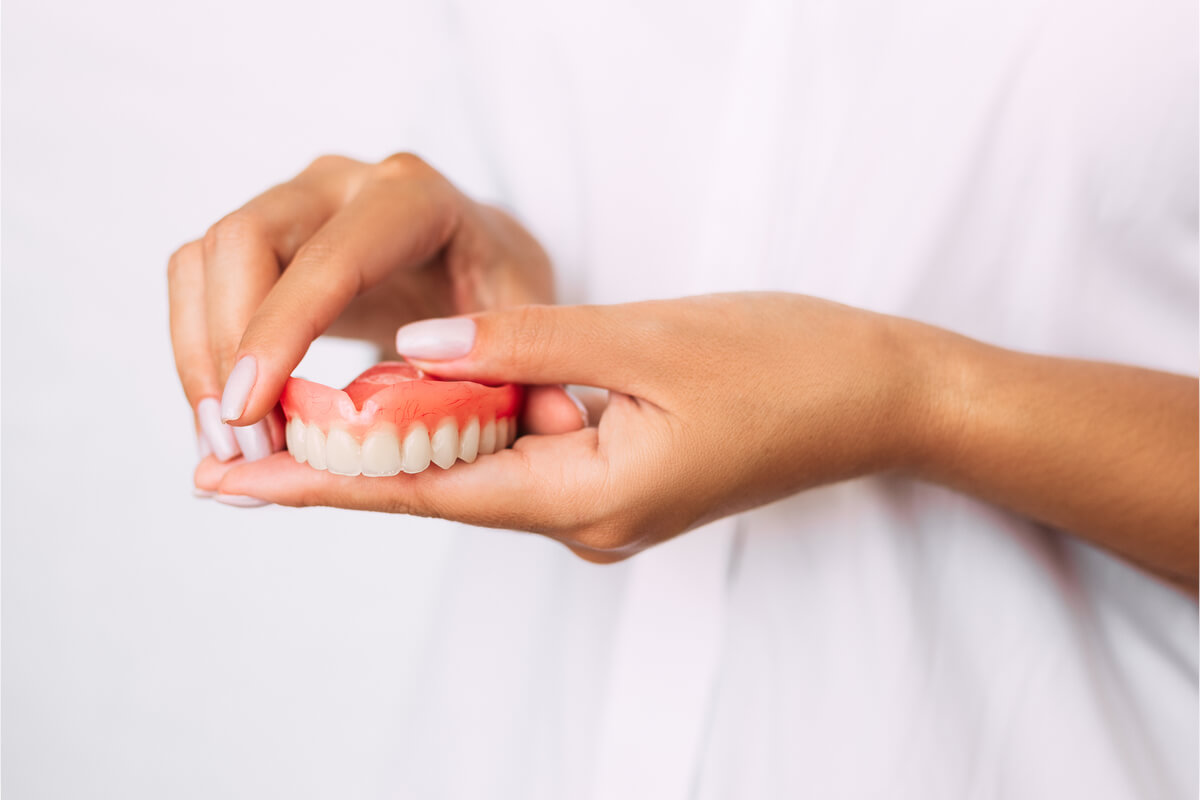
Dentures are removable appliances that replace missing teeth and surrounding tissues. They’re custom-made to fit your mouth, restoring your smile and helping you eat and speak more comfortably.
Types of Dentures
There are several types of dentures available, each suited to different needs:
Complete Dentures
These replace all the teeth in either the upper or lower jaw, or both. They rest directly on the gums and are held in place by suction or dental adhesive.
Partial Dentures
Used when you still have some natural teeth, partial dentures fill in the gaps. They’re often held in place by clasps that attach to your remaining teeth.
Immediate Dentures
Fitted immediately after tooth extraction, these allow you to have teeth while your gums heal. They’re typically replaced with permanent dentures once healing is complete.
Implant-Supported Dentures
These dentures attach to dental implants surgically placed in your jawbone, offering increased stability and comfort.
Materials Used in Modern Dentures
Today’s dentures are made from high-quality materials designed for durability and natural appearance:
- Acrylic resin: Used for the base of the denture, mimicking gum tissue.
- Porcelain or acrylic teeth: Designed to look like natural teeth.
- Metal components: Used in partial dentures for added strength and retention.
Who Might Need Dentures?
Dentures aren’t just for older adults. You might consider dentures if you’ve lost teeth due to:
- Severe tooth decay
- Gum disease (periodontitis)
- Injury or trauma
- Certain medical conditions
Signs You Might Need Dentures
Consider speaking to your dentist about dentures if you experience:
- Severe toothache or loose teeth
- Red, swollen, tender, or bleeding gums
- Difficulty chewing certain foods
- Gaps in your smile that make you self-conscious
The Benefits of Dentures
Dentures can significantly improve your quality of life by:
- Restoring your ability to eat a wider variety of foods
- Improving speech clarity
- Enhancing your facial appearance
- Boosting self-confidence
- Preventing remaining teeth from shifting
While the idea of getting dentures might seem daunting, many people find that the benefits far outweigh any initial concerns. With modern advancements in dental technology, today’s dentures are more comfortable and natural-looking than ever before.
In the following sections, we’ll explore the denture process in detail, discuss what it’s like to live with dentures, and look at alternative options. Whether you’re just starting to consider dentures or you’re ready to take the next step, this guide will provide you with the information you need to make the best decision for your dental health.
What Are Dentures?
Dentures are removable appliances designed to replace missing teeth and restore your smile. They’re custom-made to fit your mouth, helping you eat, speak, and feel confident again. Let’s explore the world of dentures and discover how they might benefit you.
Understanding Dentures
Dentures are prosthetic devices crafted to replace missing teeth and the surrounding tissues. They’re designed to look like your natural teeth and gums, restoring both function and appearance to your mouth. Dentures sit on top of your gums and are typically held in place by suction, adhesives, or in some cases, dental implants.
Types of Dentures
There are several types of dentures available, each suited to different needs and situations. Let’s look at the main types you might encounter:
Complete Dentures
Complete dentures replace all the teeth in either your upper or lower jaw, or both. They’re used when you’ve lost all your natural teeth in one or both arches.
Upper Complete Dentures
These cover your entire upper palate and replace all teeth in your upper jaw. They’re often held in place by suction created between the denture and your palate.
Lower Complete Dentures
These replace all teeth in your lower jaw. They’re horseshoe-shaped to accommodate your tongue and are often slightly more challenging to keep in place due to tongue movement.
Partial Dentures
Partial dentures are used when you still have some natural teeth remaining. They fill in the gaps left by missing teeth, preventing your existing teeth from shifting.
Removable Partial Dentures
These consist of replacement teeth attached to a pink or gum-coloured plastic base. They often have a metal framework and clasps that connect to your natural teeth for support.
Flexible Partial Dentures
Made from flexible materials like nylon, these dentures are more comfortable and less visible than traditional metal partials. They’re a popular choice for those seeking a more natural look.
Immediate Dentures
Immediate dentures are fitted straight after your teeth are removed. They allow you to have teeth while your gums heal and adjust to the extractions.
Advantages of Immediate Dentures
- You don’t have to go without teeth during the healing process
- They help protect your gums as they heal
- You can start adapting to dentures right away
Considerations for Immediate Dentures
Keep in mind that as your gums heal and shrink, immediate dentures will need frequent adjustments. They’re often replaced with permanent dentures after a few months.
Implant-Supported Dentures
These dentures are anchored to dental implants surgically placed in your jawbone. They offer increased stability and comfort compared to traditional dentures.
Types of Implant-Supported Dentures
- Bar-retained dentures: These clip onto a thin metal bar attached to implants in your jawbone.
- Ball-retained dentures: These use a ball-and-socket mechanism to attach to implants.
Materials Used in Modern Dentures
Modern dentures are made from high-quality materials designed to be durable, comfortable, and natural-looking. Here’s what you can expect:
Denture Base Materials
The base of your denture, which mimics your gums, is typically made from one of these materials:
- Acrylic resin: Lightweight, durable, and can be tinted to match your natural gum colour.
- Flexible nylon: Used for partial dentures, offering comfort and a natural appearance.
Denture Teeth Materials
The artificial teeth in your dentures can be made from:
- Porcelain: Looks very natural and wears well against natural teeth, but can be brittle.
- Acrylic resin: Lighter and bonds well with the denture base, but may wear faster than porcelain.
Additional Components
For partial dentures, you might also see:
- Metal clasps: Often made from cobalt-chromium alloy, these help secure the denture to your natural teeth.
- Precision attachments: These are more discreet than metal clasps and offer a snug fit.
Understanding the types of dentures and materials available can help you have an informed discussion with your dentist about which option might be best for you. Remember, the choice of denture type and material will depend on your specific needs, preferences, and budget. Your dentist will guide you through the options and help you make the best decision for your oral health.
In the next section, we’ll explore who might need dentures and the signs that indicate it might be time to consider them. We’ll also discuss the process of getting dentures, from your initial consultation to adjusting to your new smile.
Who Needs Dentures?
Dentures aren’t just for older adults. Many people of various ages find themselves considering dentures due to a range of factors. Understanding who might need dentures and why can help you make informed decisions about your oral health.
Common Causes of Tooth Loss
Several factors can lead to tooth loss, making dentures a necessary consideration. Let’s explore the most common reasons:
Gum Disease
Also known as periodontal disease, gum disease is a leading cause of tooth loss in adults. It begins with gingivitis, where gums become red, swollen, and may bleed easily. If left untreated, it can progress to periodontitis, causing the gums to pull away from the teeth and the supporting bone to deteriorate.
Preventing Gum Disease
- Brush twice daily with a fluoride toothpaste
- Floss daily to remove plaque between teeth
- Visit your dentist regularly for check-ups and cleanings
- Quit smoking, as it increases your risk of gum disease
Tooth Decay
Dental caries, or tooth decay, occurs when bacteria in your mouth produce acid that erodes your tooth enamel. Over time, this can lead to cavities and, if left untreated, tooth loss.
Preventing Tooth Decay
- Limit sugary and acidic foods and drinks
- Rinse your mouth with water after meals
- Use a fluoride mouthwash to strengthen your enamel
- Consider dental sealants for added protection
Injury or Trauma
Accidents, sports injuries, or falls can lead to tooth loss. While not always preventable, there are steps you can take to reduce your risk.
Protecting Your Teeth from Injury
- Wear a mouthguard during sports activities
- Use a seatbelt when driving or travelling in a vehicle
- Be cautious on slippery surfaces to prevent falls
Age-Related Factors
As we age, our risk of tooth loss increases due to several factors:
- Decreased saliva production, which helps protect teeth
- Wear and tear from years of use
- Increased risk of gum disease and tooth decay
- Side effects of certain medications
Signs You Might Need Dentures
Recognising the signs that you might need dentures can help you seek treatment early. Here are some indicators to watch for:
Severe Toothache
Persistent, severe tooth pain could indicate advanced decay or infection that might lead to tooth loss if not treated promptly.
Loose or Shifting Teeth
If your teeth feel loose or appear to be shifting position, it could be a sign of advanced gum disease.
Difficulty Eating Certain Foods
If you find yourself avoiding hard or chewy foods due to discomfort or difficulty, it might be time to consider dentures.
Gaps in Your Smile
Missing teeth not only affect your appearance but can also lead to shifts in your remaining teeth. Dentures can fill these gaps and prevent further issues.
Chronic Indigestion
If you’re experiencing frequent indigestion, it could be due to inadequate chewing caused by missing or damaged teeth.
The Journey to Getting Dentures
If you’re experiencing any of these signs, it’s important to consult with your dentist. They can assess your oral health and discuss whether dentures are the right option for you. The process typically involves:
Initial Consultation
Your dentist will examine your mouth, discuss your concerns, and explain your treatment options.
Preparatory Treatments
This may include extracting damaged teeth, treating gum disease, or other procedures to prepare your mouth for dentures.
Denture Fitting
Your dentist will take impressions of your mouth to create custom-fitted dentures.
Adjustment Period
It may take some time to get used to your new dentures. Your dentist will provide guidance on care and maintenance.
Remember, everyone’s dental journey is unique. Your dentist is your best resource for personalised advice and treatment options. Regular dental check-ups can help catch issues early, potentially preventing the need for dentures or catching problems when less invasive treatments are still possible.
In the next section, we’ll explore the denture-making process in more detail, giving you a clear picture of what to expect if you and your dentist decide that dentures are the right choice for you.
The Denture Process: From Consultation to Fitting
Getting dentures is a journey that involves several steps, each designed to ensure you receive a comfortable, well-fitting prosthetic that meets your needs. Understanding this process can help alleviate any concerns you might have and prepare you for what’s ahead. Let’s walk through the typical denture process, from your first consultation to the final fitting.
Initial Dental Assessment
Your denture journey begins with a thorough dental examination. This crucial first step helps your dentist determine the best course of action for your oral health.
Comprehensive Oral Examination
Your dentist will carefully inspect your mouth, looking at your remaining teeth, gums, and jaw structure. They’ll assess the health of your oral tissues and check for any signs of disease or abnormalities.
X-rays and Imaging
Your dentist may take X-rays or use other imaging techniques to get a detailed view of your jawbone and any remaining teeth. This helps in planning for extractions if needed and in determining the best type of denture for you.
Discussion of Options
Based on the examination, your dentist will discuss your denture options. This might include full dentures, partial dentures, or implant-supported dentures. They’ll explain the pros and cons of each, helping you make an informed decision.
Taking Impressions and Measurements
Once you’ve decided on the type of denture, the next step is to create a precise model of your mouth.
Dental Impressions
Your dentist will use a special putty-like material to take impressions of your gums and any remaining teeth. This creates an exact mould of your mouth, ensuring your dentures will fit perfectly.
Bite Registration
To ensure your new teeth will align correctly, your dentist will record your bite. This involves measuring how your upper and lower jaws come together.
Shade Selection
You’ll work with your dentist to choose the colour of your new teeth. They’ll help you select a shade that looks natural and matches any remaining teeth.
Denture Fabrication
With all the necessary information gathered, the creation of your dentures begins.
Crafting at the Dental Laboratory
Your impressions and measurements are sent to a dental laboratory where skilled technicians create your custom dentures. This process typically takes a few weeks.
Wax Try-in
Before the final dentures are made, you might have a ‘wax try-in’ appointment. This involves fitting a wax version of your dentures to check the fit, appearance, and bite. It’s your chance to request any adjustments before the final dentures are made.
Fitting and Adjustments
When your dentures are ready, you’ll have a fitting appointment. This is an exciting moment, but it’s also the beginning of an adjustment period.
Initial Fitting
Your dentist will place your new dentures and check the fit, making sure they’re comfortable and secure. They’ll ask you to speak and move your mouth to ensure proper function.
Adjustments
It’s common to need some adjustments as you get used to your dentures. Your dentist will make these changes to ensure the best possible fit and comfort.
Learning to Use Your Dentures
Your dentist will provide instructions on how to insert and remove your dentures, as well as how to care for them. They’ll also offer advice on eating and speaking with your new teeth.
Timeline and What to Expect
The denture process typically spans several weeks to a few months, depending on your individual needs.
Typical Timeline
- Initial consultation and assessment: 1 appointment
- Impressions and measurements: 1-2 appointments
- Wax try-in (if needed): 1 appointment
- Final fitting: 1 appointment
- Follow-up adjustments: As needed, typically 1-3 appointments
Adjustment Period
It’s normal to experience some discomfort and awkwardness as you adjust to your new dentures. This period usually lasts a few weeks to a couple of months. During this time, you might experience:
- Increased saliva production
- Mild irritation or sore spots
- Difficulty with certain words
- Changes in chewing habits
Long-term Care
Remember, your mouth changes over time, so your dentures will need periodic adjustments and eventual replacement. Regular check-ups with your dentist are crucial to maintain the fit and function of your dentures.
Getting dentures is a process that requires patience and commitment, but the result is a restored smile and improved quality of life. Your dental team is there to support you every step of the way, so don’t hesitate to ask questions or voice concerns throughout your denture journey.
In the next section, we’ll explore what it’s like to live with dentures, including tips for eating, speaking, and caring for your new teeth.
Living with Dentures: Adapting to Your New Smile
Receiving your new dentures is an exciting milestone, but it’s also the beginning of a journey. Adapting to life with dentures takes time and patience. This section will guide you through the initial adjustment period, offer tips for eating and speaking, explain proper care and maintenance, and address common challenges you might face.
Initial Adjustment Period
The first few weeks with your new dentures can be both exciting and challenging. Here’s what you can expect and how to manage this transition:
Increased Saliva Production
Your mouth may produce more saliva than usual at first. This is a normal response to the new “foreign object” in your mouth. Rest assured, this will subside as your mouth gets used to your dentures.
Mild Discomfort or Irritation
It’s common to experience some soreness or irritation in your gums. If you notice any sore spots, contact your dentist for an adjustment. Avoid using over-the-counter adhesives to fix ill-fitting dentures, as this can mask problems that need professional attention.
Changes in Speech
You might find certain words difficult to pronounce at first. Practice speaking aloud, read books or newspapers out loud, and be patient with yourself. Your speech will improve as you become accustomed to your dentures.
Speech Exercise
Try reading a variety of words aloud, focusing on those with “s” and “f” sounds, which are often the trickiest with new dentures.
Eating and Speaking with Dentures
Enjoying meals and conversing confidently are important aspects of daily life. Here’s how to master these activities with your new dentures:
Eating with Dentures
Start with soft foods cut into small pieces. As you gain confidence, gradually introduce more challenging foods.
Tips for Eating
- Chew food on both sides of your mouth to help keep your dentures stable
- Avoid biting into hard foods with your front teeth
- Be cautious with hot liquids and foods to avoid burns, as dentures can affect your ability to judge temperature
- Consider using a denture adhesive for added stability when eating
Speaking Clearly
Clear speech will come with practice. Don’t be discouraged if you lisp or have difficulty with certain words initially.
Speaking Techniques
- Bite down and swallow before speaking to seat your dentures
- Speak at a normal volume – speaking more loudly won’t necessarily make you clearer
- If you’re worried about your dentures slipping, try using a small amount of denture adhesive
Proper Care and Maintenance
Keeping your dentures clean and well-maintained is crucial for your oral health and the longevity of your dentures.
Daily Cleaning
Clean your dentures daily, just as you would natural teeth. Use a soft-bristled brush and non-abrasive denture cleaner to remove food particles and plaque.
Cleaning Steps
- Rinse dentures after eating to remove loose food particles
- Fill sink with water or place a towel in it when cleaning to avoid breakage if you drop your dentures
- Gently brush all surfaces of the dentures
- Rinse thoroughly with cool water
Overnight Care
Most dentures need to stay moist to maintain their shape. Soak them overnight in cool water or a mild denture-soaking solution.
Regular Check-ups
Visit your dentist regularly for professional cleaning and to check the fit of your dentures. Ill-fitting dentures can cause irritation and oral health problems.
Common Challenges and How to Overcome Them
While adapting to dentures, you might encounter some challenges. Here are some common issues and solutions:
Slipping Dentures
If your dentures frequently slip or feel loose, it could be due to an improper fit or reduced muscle control.
Solutions
- Use a small amount of denture adhesive
- Practice controlling your facial muscles
- See your dentist for an adjustment if the problem persists
Difficulty Chewing
Chewing might feel awkward at first, but you can improve with practice and patience.
Chewing Tips
- Start with soft foods and gradually introduce more challenging textures
- Chew slowly and use both sides of your mouth
- Avoid chewy or sticky foods until you’re more comfortable with your dentures
Dry Mouth
Some denture wearers experience dry mouth, which can lead to discomfort and increase the risk of oral health issues.
Managing Dry Mouth
- Stay hydrated by drinking plenty of water
- Avoid caffeine and alcohol, which can be dehydrating
- Consider using an over-the-counter saliva substitute
- Chew sugar-free gum to stimulate saliva production
Remember, adapting to dentures is a process that requires time and patience. If you’re experiencing persistent discomfort or have concerns about your dentures, don’t hesitate to contact your dentist. They’re there to support you throughout your denture journey and ensure you achieve a comfortable, confident smile.
In the next section, we’ll explore the pros and cons of dentures compared to other tooth replacement options, helping you understand why dentures might be the right choice for you.
Pros and Cons of Dentures
When considering dentures as a solution for missing teeth, it’s important to weigh the advantages and disadvantages. This balanced view will help you make an informed decision about whether dentures are the right choice for you. Let’s explore the pros and cons of dentures in detail.
Advantages of Dentures
Dentures offer several benefits that can significantly improve your quality of life. Here are some key advantages:
Restored Appearance and Confidence
Dentures can dramatically enhance your smile and overall facial appearance. They’re designed to look like natural teeth, helping to restore your confidence in social situations.
Aesthetic Benefits
- Fill out your facial features, reducing the sunken look that can occur with missing teeth
- Provide a natural-looking smile tailored to your face
- Offer the opportunity to choose the shade and shape of your new teeth
Improved Ability to Eat and Speak
While there’s an adjustment period, dentures can significantly enhance your ability to eat a varied diet and speak clearly.
Functional Improvements
- Allow you to enjoy a wider range of foods
- Help maintain proper nutrition by making it easier to chew
- Improve speech clarity, especially if you’ve been missing teeth for a while
Support for Facial Structure
Dentures play a crucial role in maintaining your facial structure, which can change when you lose teeth.
Structural Benefits
- Prevent the ‘collapsed’ look often associated with missing teeth
- Support your cheeks and lips, maintaining a more youthful appearance
- Help preserve the alignment of your remaining natural teeth
Cost-effective Compared to Some Alternatives
When considering tooth replacement options, dentures often present a more affordable solution compared to alternatives like dental implants.
Financial Considerations
- Generally lower initial cost than implants or multiple dental bridges
- Often partially covered by the NHS, depending on your circumstances
- Various payment options available for private denture treatments
Disadvantages of Dentures
While dentures offer many benefits, they also come with some challenges. It’s important to be aware of these potential drawbacks:
Adjustment Period
Adapting to dentures takes time and patience. You may experience some discomfort and difficulties during the initial weeks or months.
Adaptation Challenges
- Initial soreness or irritation in your gums
- Temporary changes in speech patterns
- Learning to eat with your new dentures
Potential for Slippage
Dentures can sometimes move or shift in your mouth, especially before you’ve fully adjusted to them.
Stability Issues
- May feel loose when speaking or eating, particularly in the beginning
- Might require adhesive for added security
- Could cause embarrassment if they shift noticeably
Regular Maintenance and Replacements
Dentures require ongoing care and will need to be replaced periodically to ensure proper fit and function.
Maintenance Requirements
- Daily cleaning and proper storage
- Regular dental check-ups for adjustments
- Replacement every 5-8 years on average
Possible Impact on Taste
Some denture wearers report changes in their ability to taste food, especially with full upper dentures.
Taste Considerations
- Upper dentures may cover part of your palate, affecting taste sensations
- Some denture materials or adhesives might alter taste perceptions
- Adjustments in eating habits may be necessary
When weighing these pros and cons, remember that everyone’s experience with dentures is unique. What might be a significant issue for one person could be a minor inconvenience for another. It’s crucial to discuss your specific situation with your dentist to determine if dentures are the best option for you.
Your dentist can provide personalised advice based on your oral health, lifestyle, and preferences. They can also address any concerns you have about the potential drawbacks of dentures and suggest strategies to minimise these issues.
In the next section, we’ll explore alternatives to traditional dentures, such as dental implants and bridges, to give you a comprehensive understanding of your tooth replacement options.
Alternatives to Traditional Dentures
While traditional dentures are a popular choice for replacing missing teeth, they’re not the only option available. Advances in dental technology have provided several alternatives that might better suit your needs. In this section, we’ll explore these options and compare them to traditional dentures, helping you make an informed decision about your dental health.
Dental Implants
Dental implants are a modern solution for replacing missing teeth. They offer a permanent, fixed option that closely mimics natural teeth in both appearance and function.
How Dental Implants Work
A dental implant consists of a titanium post surgically placed into your jawbone, which acts as an artificial tooth root. Once the implant has fused with your bone, a crown is attached to replace the visible part of the tooth.
Benefits of Dental Implants
- Look and feel like natural teeth
- Can last a lifetime with proper care
- Preserve jawbone and facial structure
- Allow you to eat virtually any food
Considerations for Dental Implants
- Require surgery and a healing period of several months
- More expensive than traditional dentures
- Not suitable for everyone, depending on bone density and overall health
Bridges
Dental bridges are another alternative for replacing one or more missing teeth. They’re fixed in place and can be an excellent option if you have healthy teeth on either side of the gap.
Types of Dental Bridges
There are several types of bridges, including traditional bridges, cantilever bridges, and Maryland bonded bridges. Your dentist will recommend the best type based on your specific needs.
Advantages of Bridges
- Fixed in place, no need for removal
- Look natural and restore your smile
- Typically less expensive than implants
- Shorter treatment time compared to implants
Potential Drawbacks of Bridges
- May require alteration of healthy adjacent teeth
- Don’t prevent bone loss in the jaw
- Typically need replacement after 5-15 years
Implant-Supported Dentures
Implant-supported dentures combine elements of both traditional dentures and dental implants, offering a middle ground between the two options.
How Implant-Supported Dentures Work
These dentures are secured to dental implants surgically placed in your jawbone. They can be removable or fixed, depending on your preference and needs.
Benefits of Implant-Supported Dentures
- More stable than traditional dentures
- Preserve jawbone better than conventional dentures
- Improved chewing ability compared to traditional dentures
- Can be more cost-effective than full mouth dental implants
Considerations for Implant-Supported Dentures
- Require surgery for implant placement
- More expensive than traditional dentures
- May not be suitable for those with significant bone loss
Comparison of Options
When deciding between these options, it’s important to consider factors such as cost, longevity, and maintenance requirements.
Cost Comparison
Costs can vary significantly depending on your specific needs and the complexity of the treatment:
- Traditional Dentures: Generally the most affordable option, with costs ranging from £200 to £2,500 depending on whether you get them through the NHS or privately.
- Dental Bridges: Typically more expensive than dentures but less than implants. Costs can range from £250 to £2,500 per tooth.
- Dental Implants: The most expensive option, with costs ranging from £2,000 to £5,000 per tooth.
- Implant-Supported Dentures: Costs can vary widely but are usually less than full mouth implants and more than traditional dentures.
Longevity and Durability
The lifespan of your tooth replacement option can impact its long-term value:
- Traditional Dentures: Typically need replacement every 5-8 years.
- Dental Bridges: Can last 5-15 years with proper care.
- Dental Implants: Can last a lifetime with good oral hygiene and regular check-ups.
- Implant-Supported Dentures: The implants can last a lifetime, while the denture may need replacement every 10-15 years.
Maintenance Requirements
Consider the ongoing care needed for each option:
- Traditional Dentures: Require daily cleaning, overnight soaking, and regular dental check-ups. May need periodic adjustments or relining.
- Dental Bridges: Require careful cleaning around the bridge and under the pontic (fake tooth). Regular dental check-ups are essential.
- Dental Implants: Require the same care as natural teeth – regular brushing, flossing, and dental check-ups.
- Implant-Supported Dentures: Require cleaning of both the denture and the implant attachments. Regular dental visits are crucial for maintaining the implants and denture.
Choosing the right tooth replacement option depends on various factors, including your oral health, budget, lifestyle, and personal preferences. It’s crucial to discuss these options in detail with your dentist. They can provide personalised advice based on your specific situation and help you make the best decision for your long-term dental health and quality of life.
In the next section, we’ll explore proper denture care and maintenance, ensuring that whatever option you choose, you’ll have the knowledge to keep your new smile looking and functioning its best for years to come.
Denture Care and Maintenance
Proper care and maintenance of your dentures are crucial for preserving their appearance, functionality, and longevity. By following a few simple steps and attending regular check-ups, you can keep your dentures in top condition and maintain your oral health. Let’s explore the essential aspects of denture care.
Daily Cleaning Routine
Cleaning your dentures daily is as important as brushing natural teeth. A proper cleaning routine helps prevent stains, bad breath, and the build-up of bacteria that can lead to oral health issues.
Brushing Your Dentures
Use a soft-bristled brush specifically designed for dentures or a regular soft toothbrush to clean your dentures thoroughly.
Brushing Steps
- Remove your dentures and rinse them under running water to remove loose food particles
- Apply a non-abrasive denture cleaner or mild soap to the brush
- Gently brush all surfaces of the dentures, including the fitting surface that contacts your gums
- Pay extra attention to crevices where the artificial teeth meet the base, as these areas can trap food and bacteria
- Rinse your dentures thoroughly under running water
Soaking Your Dentures
Soaking your dentures helps to remove stains and bacteria that brushing might miss. It also keeps the dentures moist, preventing them from drying out and losing their shape.
Soaking Tips
- Use a commercial denture cleaner, following the manufacturer’s instructions
- Alternatively, soak in a mixture of warm water and mild dishwashing liquid
- Never use hot water, as it can warp your dentures
- Avoid bleach-containing products, as they can weaken dentures and change their colour
- Rinse dentures thoroughly before putting them back in your mouth
Proper Storage
When you’re not wearing your dentures, it’s important to store them properly to maintain their shape and prevent damage.
Overnight Storage
Most dentures need to stay moist to maintain their shape. Follow these guidelines for overnight storage:
- Place your dentures in a container of water or a mild denture-soaking solution
- Never use hot water, which can cause warping
- If using a soaking solution, rinse the dentures thoroughly before putting them back in your mouth
- Keep your dentures out of reach of children or pets
Short-term Storage
If you remove your dentures for a short period during the day:
- Store them in a clean, safe place
- Keep them in water if you’ll be without them for more than an hour
- Avoid wrapping them in tissue or a napkin, as they can be mistaken for rubbish and thrown away
Regular Dental Check-ups
Even if you have full dentures, regular dental check-ups are essential for maintaining your oral health and ensuring your dentures fit properly.
Frequency of Check-ups
Your dentist will advise you on how often you should have check-ups, but generally:
- Aim for at least one check-up per year
- If you have partial dentures, you might need more frequent visits to monitor your remaining natural teeth
- New denture wearers might need more frequent appointments initially to address any fit issues
What to Expect at Check-ups
During your dental check-up, your dentist will:
- Examine your oral tissues for any signs of irritation or disease
- Check the fit of your dentures and make adjustments if necessary
- Professionally clean your dentures
- Provide advice on any concerns you might have about your dentures or oral health
When to Seek Repairs or Replacements
Despite proper care, dentures may need repairs or replacement over time. It’s important to address issues promptly to maintain your oral health and the functionality of your dentures.
Signs Your Dentures Need Attention
Look out for these indicators that your dentures might need repair or replacement:
- Cracks, chips, or breaks in the denture base or teeth
- Loose or moving teeth in the denture
- Persistent discomfort or sore spots in your mouth
- Difficulty chewing or speaking
- Changes in the fit of your dentures, such as looseness or slipping
- Stains or odours that don’t come off with regular cleaning
Professional Repairs
If you notice any issues with your dentures:
- Contact your dentist promptly to schedule an appointment
- Avoid trying to repair dentures yourself, as this can cause further damage
- Don’t continue wearing damaged dentures, as this can harm your oral tissues
Denture Replacement
On average, dentures need replacement every 5-8 years. Your dentist will advise you when it’s time for new dentures based on wear and changes in your mouth structure.
By following these care and maintenance guidelines, you can help ensure that your dentures remain comfortable, functional, and attractive for years to come. Remember, your dentist is your best resource for personalised advice on caring for your dentures and maintaining your oral health. Don’t hesitate to reach out to them with any concerns or questions about your dentures.
In the next section, we’ll address some common myths and misconceptions about dentures, helping you separate fact from fiction in your denture journey.
Debunking Denture Myths
Dentures have been a reliable solution for missing teeth for centuries, yet they continue to be surrounded by misconceptions. Let’s set the record straight on some common myths about dentures, helping you make informed decisions about your dental health.
“Dentures are only for the elderly”
This myth couldn’t be further from the truth. While it’s true that older adults are more likely to need dentures due to age-related tooth loss, people of all ages might require them for various reasons:
Reasons younger people might need dentures:
- Severe tooth decay
- Gum disease
- Accidents or injuries
- Genetic conditions affecting tooth development
Dentures are a solution for anyone who has lost multiple teeth, regardless of age. Modern dentistry focuses on preserving natural teeth whenever possible, but when tooth loss occurs, dentures can restore function and appearance for patients of any age.
“Dentures look unnatural”
This outdated belief stems from the early days of denture manufacturing when options were limited. Today’s dentures are far from the obvious false teeth of the past:
Advancements in denture aesthetics:
- Custom-made to match your natural teeth and gums
- High-quality materials that mimic the translucency of natural teeth
- Precise colour matching for a seamless blend
- Gum-coloured bases that look like natural gum tissue
Modern dentures are crafted with such attention to detail that they’re often indistinguishable from natural teeth. Your dentist will work with you to ensure your dentures complement your facial features and smile, creating a natural and confident appearance.
“You can’t eat normally with dentures”
While it’s true that wearing dentures requires some adjustment, the idea that you can’t enjoy your favourite foods is a myth. With proper fit and care, dentures can restore much of your natural chewing ability:
Tips for eating with dentures:
- Start with soft foods and gradually introduce firmer textures
- Cut food into smaller pieces
- Chew slowly and use both sides of your mouth
- Be cautious with very hot foods and drinks
- Avoid extremely sticky or hard foods
It’s important to note that there may be a brief adjustment period when you first get your dentures. However, with practice and patience, most denture wearers can enjoy a diverse and satisfying diet. If you continue to experience difficulty eating, consult your dentist, as your dentures may need adjusting.
“Dentures last forever”
While dentures are durable, they’re not indestructible or immune to wear and tear. Like natural teeth, dentures require regular care and occasional replacement:
Factors affecting denture lifespan:
- Daily wear and tear
- Changes in your mouth shape over time
- Quality of materials used
- Proper care and maintenance
On average, dentures last between 5 to 10 years before needing replacement. However, this can vary depending on individual circumstances. Regular check-ups with your dentist are crucial to ensure your dentures continue to fit properly and function effectively.
Signs your dentures may need replacement:
- Loose fit or slipping
- Difficulty chewing or speaking
- Visible wear or stains
- Chronic mouth sores or irritation
Remember, your mouth changes over time, and your dentures may need adjustments or relining to maintain a proper fit. Don’t hesitate to contact your dentist if you notice any issues with your dentures.
By dispelling these common myths, we hope to provide a clearer understanding of what life with dentures is really like. Modern dentures offer a practical and aesthetic solution for tooth loss, allowing you to smile, eat, and speak with confidence. If you’re considering dentures or have concerns about your current set, speak with your dentist. They can provide personalised advice and ensure you receive the best possible care for your dental health.
The Future of Dentures: Technological Advancements
The world of dentistry is constantly evolving, and dentures are no exception. Recent technological breakthroughs are revolutionising how dentures are made, worn, and maintained. These innovations promise to enhance comfort, improve functionality, and even contribute to overall health monitoring. Let’s explore some of the exciting developments that are shaping the future of dentures.
3D-printed dentures
3D printing technology is transforming the denture manufacturing process, offering unprecedented precision and customisation:
Benefits of 3D-printed dentures:
- Faster production time
- Highly accurate fit
- Reduced number of dental visits
- Easy replacement if lost or damaged
Traditional denture-making involves several appointments and manual crafting. With 3D printing, your dentist can scan your mouth, design your dentures digitally, and print them in a fraction of the time. This technology allows for intricate details that closely mimic natural teeth and gums.
The 3D printing process:
- Digital scan of your mouth
- Computer-aided design (CAD) of dentures
- 3D printing using specialised dental resins
- Final adjustments and fitting
While 3D-printed dentures are becoming more common, they’re not yet widely available in all dental practices. Ask your dentist about this option if you’re interested in exploring cutting-edge denture technology.
Improved materials for comfort and durability
Advancements in materials science are leading to dentures that are more comfortable, durable, and lifelike than ever before:
Innovative denture materials:
- Flexible nylon
- High-impact acrylics
- Biocompatible resins
- Ceramic-polymer composites
These new materials offer several advantages over traditional denture materials:
Benefits of advanced denture materials:
- Improved flexibility for better comfort
- Enhanced durability to resist chips and cracks
- Reduced risk of allergic reactions
- More natural appearance and feel
For example, flexible nylon dentures can adapt to the movements of your mouth, reducing irritation and improving comfort. High-impact acrylics are less likely to break if dropped, addressing a common concern among denture wearers.
These materials also allow for thinner denture bases, which can enhance the sensory experience of eating and provide a more natural feel in your mouth.
Smart dentures for health monitoring
One of the most exciting developments in denture technology is the integration of smart features for health monitoring. These advanced dentures go beyond replacing teeth to become valuable tools for tracking your overall health:
Potential features of smart dentures:
- Sensors to detect and monitor oral bacteria
- Ability to measure pH levels in the mouth
- Tracking of chewing and bite force
- Monitoring of medication intake
Smart dentures could potentially alert you and your healthcare providers to early signs of oral health issues or even systemic diseases that manifest in the mouth.
Applications of smart denture technology:
- Early detection of gum disease
- Monitoring of diabetes through saliva analysis
- Tracking nutritional intake
- Assisting with medication management
While smart dentures are still in the research and development phase, they represent an exciting frontier in dental technology. They have the potential to transform dentures from simple tooth replacements into sophisticated health monitoring devices.
Considerations for future denture technologies:
- Privacy and data security
- Integration with other health monitoring devices
- Accessibility and cost
- Maintenance and battery life
As these technologies continue to develop, it’s important to stay informed and discuss new options with your dentist. They can help you understand which advancements might be most beneficial for your specific needs.
The future of dentures is bright, with innovations that promise to enhance both form and function. From the precision of 3D printing to the comfort of advanced materials and the potential of smart health monitoring, these developments aim to improve the quality of life for denture wearers. While some of these technologies are already available and others are on the horizon, they all point towards a future where dentures are more comfortable, functional, and integrated into overall health care than ever before.
Remember, regardless of technological advancements, regular dental check-ups remain crucial. Your dentist can keep you informed about the latest denture technologies and help you make the best choices for your oral health.
Frequently Asked Questions About Dentures
If you’re considering dentures or have recently been fitted with them, you likely have many questions. This section addresses some of the most common queries about dentures, providing you with clear, comprehensive answers to help you make informed decisions about your dental health.
How much do dentures cost in the UK?
The cost of dentures in the UK can vary significantly depending on several factors:
NHS vs. Private Treatment
NHS dentures are considerably less expensive than private options. Under the NHS, dentures fall under Band 3 treatment, which costs £282.80 in England (as of 2024). Prices may differ in Scotland, Wales, and Northern Ireland.
Private Denture Costs
Private denture costs can range from £200 to £2,500 per denture, depending on the type and quality. Factors influencing the price include:
Material Quality
Higher-quality materials like premium acrylics or flexible options can increase the cost.
Customisation Level
More personalised dentures that closely match your natural teeth and gums tend to be pricier.
Full vs. Partial Dentures
Full dentures are generally more expensive than partial ones due to the increased material and labour involved.
It’s advisable to discuss costs with your dentist, as they can provide a more accurate estimate based on your specific needs.
Are dentures covered by the NHS?
Yes, the NHS does cover dentures, but there are some important points to consider:
NHS Coverage
Dentures are included in Band 3 NHS dental treatments. This means you’ll pay a fixed charge of £282.80 (in England) for your dentures, regardless of the actual cost to the NHS.
Eligibility for Free NHS Dental Treatment
Some individuals may be eligible for free NHS dental treatment, including dentures. This includes:
- People under 18 or under 19 and in full-time education
- Pregnant women or those who have had a baby in the last 12 months
- People receiving certain benefits or on low income
Limitations of NHS Dentures
While NHS dentures are functional and of good quality, they may not offer the same level of customisation or aesthetic options as private dentures. If you have specific requirements or preferences, you might need to consider private treatment.
How long do dentures typically last?
The lifespan of dentures can vary, but with proper care, they can last several years:
Average Lifespan
Most dentures last between 5 to 10 years. However, this can vary based on several factors:
Care and Maintenance
Proper cleaning and storage can significantly extend the life of your dentures.
Changes in Mouth Structure
Over time, your jaw bone and gum ridges may change shape, affecting the fit of your dentures.
Wear and Tear
Daily use can cause gradual wear on denture teeth and materials.
Signs You Need New Dentures
Look out for these indicators that it might be time for a replacement:
- Loose fit or slipping dentures
- Difficulty chewing or speaking
- Visible cracks, chips, or stains
- Persistent mouth sores or discomfort
Regular dental check-ups can help monitor the condition of your dentures and determine when a replacement is necessary.
Can I sleep with my dentures in?
While it’s possible to sleep with dentures in, it’s generally not recommended for several reasons:
Reasons to Remove Dentures at Night
Gum Health
Removing dentures allows your gums to rest and receive exposure to cleansing saliva, promoting better oral health.
Denture Longevity
Taking dentures out at night can help them maintain their shape and last longer.
Bacterial Growth
Wearing dentures continuously can create an environment conducive to bacterial growth, potentially leading to oral infections.
Proper Overnight Care
When removing your dentures for sleep:
- Clean them thoroughly
- Store them in water or a dentist-recommended solution to prevent drying out
- Keep them in a safe place to avoid damage
If you must wear your dentures overnight occasionally, ensure they’re clean and consult your dentist about the best approach for your specific situation.
Will dentures affect my ability to taste food?
Dentures can have some impact on your sense of taste, but this effect is usually minimal and temporary:
Initial Adjustment Period
When you first start wearing dentures, you might notice some changes in taste perception. This is often due to:
Coverage of Palate
Upper dentures cover part of your palate, which contains taste buds. This can initially affect taste sensitivity.
Altered Sensation
The presence of dentures in your mouth can temporarily alter how you perceive flavours.
Long-term Effects
Most people adapt to their dentures over time, and their sense of taste returns to normal. However:
- Some individuals may experience a slightly dulled sense of taste long-term
- Proper denture fit and cleanliness can minimise any impact on taste
Enhancing Taste with Dentures
To maximise your enjoyment of food with dentures:
- Ensure your dentures fit properly
- Keep them clean to prevent taste-altering bacterial buildup
- Consider trying different textures and temperatures of food to enhance sensory experience
If you’re concerned about persistent changes in your ability to taste, consult your dentist. They can check your denture fit and rule out any other potential issues affecting your sense of taste.
Remember, while dentures may require some adjustment, they shouldn’t significantly impair your ability to enjoy food in the long term. With proper care and patience during the adaptation period, you can continue to savour your favourite meals.
When to Seek Professional Help for Your Dentures
While dentures can significantly improve your quality of life, they require ongoing care and attention. Knowing when to seek professional help is crucial for maintaining both your dentures and your oral health. This section will guide you through the signs that indicate it’s time to consult your dentist, common oral health issues to be aware of, and the importance of regular check-ups.
Signs of Ill-Fitting Dentures
Properly fitting dentures are essential for comfort, functionality, and oral health. Be alert to these indicators that your dentures may need adjustment:
Discomfort or Pain
If your dentures are causing persistent discomfort or pain, especially when eating or speaking, it’s a clear sign that they need attention. This discomfort might manifest as sore spots on your gums or general irritation in your mouth.
Loose or Slipping Dentures
Dentures that move around in your mouth or fall out when you’re eating, speaking, or laughing indicate a poor fit. This can be embarrassing and affect your ability to eat and speak properly.
Clicking Sounds
If you hear clicking noises when you talk or eat, your dentures likely need adjustment.
Changes in Facial Structure
Ill-fitting dentures can lead to changes in your facial appearance. You might notice:
- Sunken cheeks
- Wrinkles around the mouth
- A change in your bite or how your teeth come together
Difficulty Eating or Speaking
If you’re struggling to eat certain foods or your speech has become unclear, your dentures may need adjustment. Properly fitting dentures should allow you to eat and speak with confidence.
Don’t hesitate to contact your dentist if you experience any of these signs. Prompt attention can prevent further complications and ensure your dentures continue to serve you well.
Oral Health Issues to Watch For
Wearing dentures doesn’t exempt you from oral health concerns. Be vigilant about these potential issues:
Gum Inflammation (Denture Stomatitis)
This condition, characterised by red, swollen gums, is often caused by ill-fitting dentures or poor oral hygiene. If you notice persistent redness or swelling, consult your dentist promptly.
Fungal Infections
Conditions like oral thrush can develop, especially if dentures aren’t cleaned properly. Symptoms include white patches in your mouth or an unusual taste.
Angular Cheilitis
This painful condition affects the corners of the mouth and can be related to ill-fitting dentures or fungal infections.
Bone Loss (Resorption)
Over time, the bone that once supported your natural teeth can shrink, affecting how your dentures fit. Regular dental visits can help monitor and address this issue.
Mouth Ulcers
Persistent sores in your mouth, especially those that don’t heal within two weeks, warrant professional attention. They could be caused by ill-fitting dentures or indicate other health issues.
Remember, early detection and treatment of these issues can prevent more serious complications. If you notice any unusual changes in your mouth or experience persistent discomfort, don’t delay in seeking professional help.
Importance of Regular Dental Check-ups
Regular visits to your dentist are crucial, even if you have full dentures. These check-ups offer numerous benefits:
Professional Cleaning
Your dentist can thoroughly clean your dentures, removing stubborn stains and buildup that regular cleaning might miss. This helps maintain the appearance and hygiene of your dentures.
Fit Assessment
Your mouth changes over time, and your dentures may need adjustments to maintain a proper fit. Regular check-ups allow your dentist to assess and address these changes promptly.
Relining or Rebasing
Your dentist can determine if your dentures need relining (adding material to the fitting surface) or rebasing (replacing the base material) to improve their fit and function.
Oral Health Screening
Even without natural teeth, you’re still at risk for oral health issues like gum disease and oral cancer. Regular check-ups include screenings for these conditions.
Personalised Advice
Your dentist can provide tailored advice on caring for your dentures and maintaining good oral hygiene based on your individual needs and any changes in your oral health.
Frequency of Check-ups
Most dentists recommend check-ups every six months for denture wearers. However, you might need more frequent visits if you’re experiencing issues or have specific oral health concerns.
By attending regular check-ups, you’re investing in your oral health and the longevity of your dentures. These visits can catch potential problems early, saving you discomfort and potentially costly treatments down the line.
Remember, your dentist is your partner in maintaining your oral health. Don’t hesitate to reach out if you have concerns between scheduled appointments. With proper care and regular professional attention, your dentures can continue to provide you with a comfortable, functional, and confident smile for years to come.
Wrapping Up Your Denture Journey
As we’ve explored the world of dentures, you’ve gained valuable insights into this important dental solution. Let’s recap the key points and consider your next steps towards a healthier, more confident smile.
Key Takeaways About Dentures
Throughout this guide, we’ve covered essential information to help you understand dentures better:
Types of Dentures
We’ve discussed various denture options, including full dentures, partial dentures, and implant-supported dentures. Each type serves different needs, allowing for personalised solutions to tooth loss.
Denture Care and Maintenance
Proper care is crucial for the longevity of your dentures and your oral health. Regular cleaning, proper storage, and avoiding harmful practices can keep your dentures in top condition.
Adapting to Life with Dentures
The adjustment period might present challenges, but with patience and proper techniques, you can comfortably eat, speak, and smile with your new dentures.
Cost Considerations
We’ve explored the various factors affecting denture costs in the UK, including NHS options and private treatments. Understanding these can help you make an informed decision about your dental care.
Potential Issues and Solutions
Awareness of common denture-related problems and knowing when to seek professional help can prevent discomfort and ensure your dentures continue to serve you well.
The Importance of Professional Dental Advice
While this guide provides a comprehensive overview, your dental journey is unique. Professional guidance is invaluable for several reasons:
Personalised Assessment
A dentist can evaluate your specific oral health needs, considering factors like bone density, gum health, and any remaining natural teeth. This personalised approach ensures you receive the most suitable denture solution.
Expert Fitting and Adjustments
Professional fitting is crucial for comfortable, functional dentures. Your dentist can make precise adjustments to ensure your dentures fit perfectly and feel natural.
Ongoing Care and Support
Regular check-ups allow your dentist to monitor your oral health, address any issues promptly, and make necessary adjustments to your dentures as your mouth changes over time.
Answering Your Unique Questions
Every patient has different concerns and questions. A consultation provides the opportunity to discuss your specific situation and get expert answers tailored to your needs.
Taking the Next Step: Booking Your Consultation
Now that you’re equipped with knowledge about dentures, it’s time to consider your personal dental journey. Here’s how you can move forward:
Reflect on Your Needs
Think about your specific concerns and goals for your dental health. Are you looking to replace all your teeth, or just a few? Do you have concerns about cost or the adjustment process? Jot down your thoughts to discuss with your dentist.
Prepare Your Questions
Make a list of any questions that have arisen while reading this guide. Your dentist will be happy to address these during your consultation.
Contact Your Local Dental Practice
Reach out to a reputable dental practice in your area. Many offer initial consultations where you can discuss denture options without any obligation.
Schedule Your Appointment
Book a consultation at a time that’s convenient for you. This is your opportunity to explore your options and start your journey towards a restored smile.
NHS or Private?
Consider whether you’d prefer to pursue NHS treatment or explore private options. Your dentist can guide you on the best path based on your needs and circumstances.
Remember, taking this step isn’t just about getting dentures; it’s about investing in your oral health, overall well-being, and confidence. Whether you’re considering dentures for the first time or looking to upgrade your current set, professional advice is key to achieving the best outcome.
Don’t let uncertainty hold you back from enjoying a full, healthy smile. Book your consultation today and take the first step towards renewed confidence in your dental health. Your future self will thank you for making this important decision for your well-being and quality of life.
Additional Resources for Denture Information
To further support your journey with dentures, we’ve compiled a selection of valuable resources. These include related articles from our website and information about reputable UK dental organisations. These resources can provide you with additional insights, expert advice, and support as you explore your denture options.
Related Articles on Dental Answers.co.uk
Our website offers a wealth of information on various dental topics. Here are some articles that complement what you’ve learned about dentures:
Understanding Gum Health
Explore the importance of maintaining healthy gums, especially when wearing dentures. This article covers prevention of gum disease and tips for optimal oral hygiene.
Nutritional Considerations for Denture Wearers
Learn about dietary adjustments that can help you maintain a balanced diet while adapting to your new dentures. Discover foods that are easy to eat and nutritious.
Alternatives to Traditional Dentures
Investigate other tooth replacement options, such as dental implants and bridges. This article compares different solutions to help you make an informed decision.
Caring for Your Oral Health in Later Life
Understand the unique challenges and considerations for maintaining oral health as you age, including advice specific to denture wearers.
Financial Planning for Dental Treatments
Get tips on budgeting for dental care, including information on NHS treatments, private options, and potential financial assistance for dental work.
Reputable UK Dental Organisations
These trusted organisations provide valuable information and support for dental patients in the UK:
General Dental Council (GDC)
The GDC is the regulatory body for dental professionals in the UK. Their website offers guidance on patient rights and what to expect from dental treatments.
British Dental Association (BDA)
The BDA represents dentists and dental students in the UK. Their patient website provides reliable dental health information and advice.
Oral Health Foundation
This independent charity works to improve oral health and well-being. They offer a wealth of resources on various dental topics, including dentures.
NHS Choices – Dental Health
The NHS website provides comprehensive information on dental health, treatments available on the NHS, and how to find NHS dental services in your area.
Age UK
While not exclusively a dental organisation, Age UK offers valuable resources for older adults, including information on dental care and accessing dental services.
Local Dental Committees (LDCs)
LDCs represent dentists and dental practices at a local level. They can provide information on dental services in your specific area.
These resources can help you stay informed about dentures and general oral health. Remember, while online information is valuable, it’s no substitute for personalised advice from a dental professional. Use these resources to complement your dentist’s guidance and to prepare questions for your next appointment.
By staying informed and proactive about your dental health, you’re taking important steps towards maintaining a healthy, confident smile. Whether you’re new to dentures or a long-time wearer, continuous learning and regular dental check-ups are key to your oral health success.