
Restoring Your Smile with Full Dentures
If you’re facing the prospect of losing all your teeth or have already experienced complete tooth loss, you’re not alone. In the UK, about 6% of adults have no natural teeth, according to the Adult Dental Health Survey. Full dentures offer a practical solution to restore your smile, improve your ability to eat and speak, and boost your confidence.
This guide will answer your most pressing questions about full dentures, including what they are, how they’re made, and how to care for them. We’ll explore the process of getting dentures, discuss their benefits and potential challenges, and provide tips for adapting to life with your new teeth.
What Are Full Dentures?
Full dentures, also known as complete dentures, are removable appliances that replace an entire set of teeth in either the upper or lower jaw, or both. They’re custom-made to fit comfortably in your mouth and are designed to look like natural teeth.
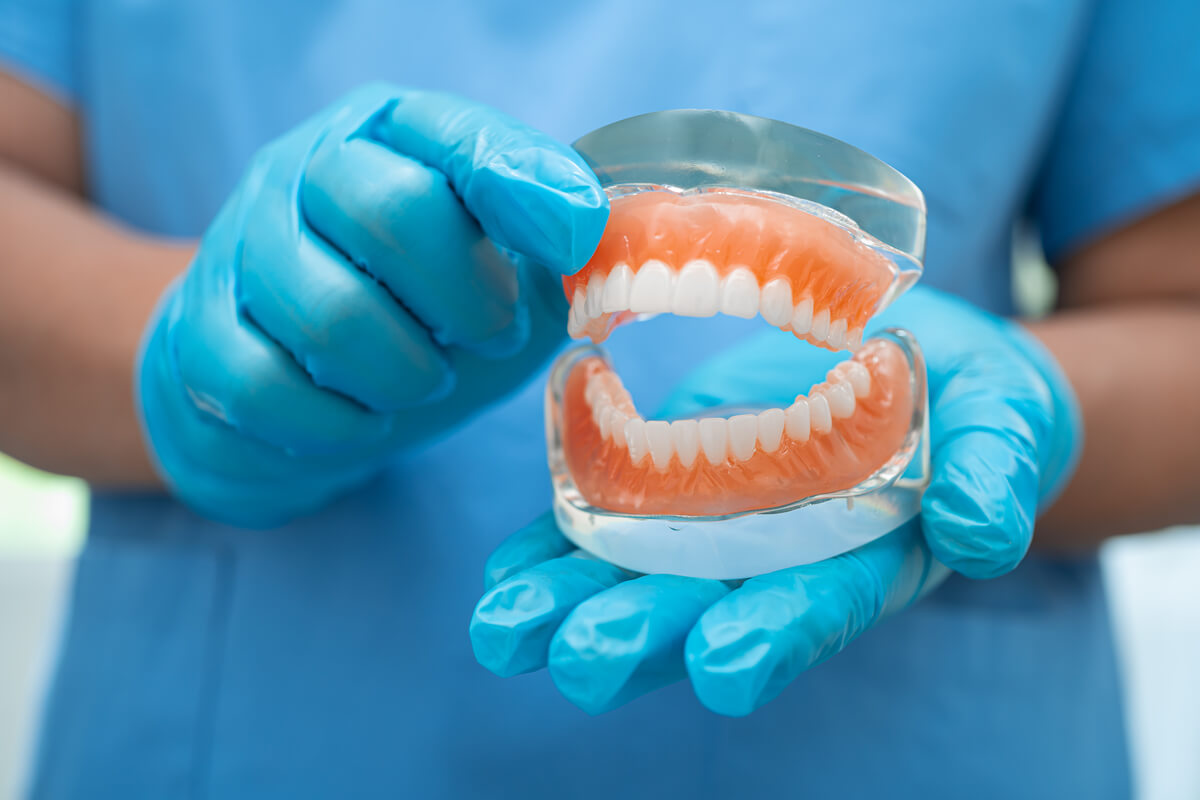
Components of Full Dentures
Full dentures consist of two main parts:
- A flesh-coloured acrylic base that fits over your gums
- A set of artificial teeth attached to the base
Types of Full Dentures
There are two primary types of full dentures:
Conventional Full Dentures
These are made and placed in your mouth after any remaining teeth have been removed and the tissues have healed. This process typically takes several months.
Immediate Full Dentures
These are inserted immediately after the remaining teeth are removed. While this means you won’t be without teeth during the healing period, immediate dentures may require more adjustments as your mouth heals and changes shape.
The Importance of Full Dentures
Full dentures play a crucial role in maintaining oral health and overall well-being for those who have lost all their natural teeth. They offer several benefits:
Improved Eating and Speaking
Dentures help you chew food more effectively and speak more clearly, functions that can be significantly impaired by tooth loss.
Facial Support
They provide support for your cheeks and lips, helping to maintain your facial structure and prevent a sunken appearance often associated with tooth loss.
Boosted Self-Esteem
A full set of teeth can restore your confidence, allowing you to smile, laugh, and interact with others without feeling self-conscious about missing teeth.
The Journey to Your New Smile
When Are Full Dentures Necessary?
Full dentures become necessary when you’ve lost all your natural teeth in either the upper or lower jaw, or both. This can happen due to various reasons:
Severe Tooth Decay
Advanced decay that has damaged teeth beyond repair is a common cause of tooth loss leading to the need for dentures.
Advanced Gum Disease
Periodontitis, if left untreated, can lead to tooth loss and the need for dentures.
Trauma or Injury
Accidents or injuries that result in the loss of multiple teeth may necessitate dentures.
Signs You Might Need Full Dentures
If you’re experiencing any of the following, it might be time to discuss full dentures with your dentist:
- Severe toothache or gum pain
- Difficulty chewing or speaking
- Loose or shifting teeth
- Swollen or bleeding gums
- Missing several teeth already
The Process of Getting Full Dentures
Getting full dentures involves several steps:
Initial Consultation
Your dentist will examine your mouth and discuss your options. They may take X-rays to assess your oral health.
Preparatory Procedures
Any remaining teeth that need to be removed will be extracted. Your dentist might also need to treat any gum disease or reshape your alveolar ridge to ensure a good fit for your dentures.
Impressions and Measurements
Your dentist will take precise measurements and impressions of your jaws to create custom-fitted dentures.
Fitting and Adjustments
Once your dentures are ready, you’ll have a fitting appointment. Your dentist will make any necessary adjustments to ensure comfort and proper function.
Follow-up Appointments
You’ll need several follow-up appointments to fine-tune the fit of your dentures and address any issues you might be experiencing.
Living with Full Dentures
Adapting to Your New Dentures
It’s normal to experience some challenges as you adjust to wearing full dentures. Here are some common issues and tips to overcome them:
Speaking Difficulties
Practice reading aloud and repeating troublesome words. Your speech should improve as you become accustomed to your dentures.
Eating Challenges
Start with soft foods cut into small pieces. Gradually introduce harder foods as you become more comfortable. Avoid extremely hot foods and drinks to prevent burns, as dentures can affect your ability to sense temperature.
Excessive Saliva
This is a common initial reaction to dentures. Your salivary glands will adjust over time.
Sore Spots
If you develop sore spots, contact your dentist for adjustments. Don’t attempt to adjust the dentures yourself.
Caring for Your Full Dentures
Proper care of your dentures is crucial for maintaining their appearance and functionality:
Daily Cleaning
Brush your dentures daily with a soft-bristled brush and non-abrasive denture cleaner. Avoid using toothpaste, which can be too abrasive.
Rinsing After Meals
Rinse your dentures after eating to remove food particles and prevent staining.
Overnight Soaking
Soak your dentures in water or a mild denture-soaking solution overnight to keep them moist and maintain their shape.
Regular Dental Check-ups
Visit your dentist regularly for professional cleaning and to check the fit of your dentures.
Looking Ahead: Life with Your New Smile
While adjusting to full dentures takes time and patience, many people find that the benefits far outweigh the initial challenges. With proper care and regular dental check-ups, your dentures can provide you with a functional, attractive smile for years to come.
Remember, your oral health journey doesn’t end with getting dentures. Continue to maintain good oral hygiene, including cleaning your gums and any remaining teeth, and see your dentist regularly. If you have any concerns or questions about your dentures, don’t hesitate to reach out to your dental professional for advice and support.
By taking these steps, you’re investing in your oral health, overall well-being, and the confidence that comes with a restored smile. Here’s to your new teeth and the many smiles, laughs, and delicious meals ahead!
What Are Full Dentures?
Full dentures are removable dental appliances designed to replace a complete set of missing teeth. They’re custom-made to fit your mouth, restoring your smile and helping you eat and speak more comfortably. If you’ve lost all your natural teeth due to injury, decay, or gum disease, full dentures can be an effective solution to regain your oral function and confidence.
Understanding Full Dentures
Full dentures consist of artificial teeth attached to a flesh-coloured acrylic base that fits over your gums. The upper denture covers the roof of your mouth (palate), while the lower denture is shaped like a horseshoe to accommodate your tongue. These dentures are designed to look natural and blend seamlessly with your facial features.
How Full Dentures Work
Full dentures stay in place through a combination of suction and the support of your oral tissues. The upper denture typically has more suction due to the palate coverage, while the lower denture relies more on the muscular control of your tongue and cheeks. It’s normal to use a small amount of denture adhesive for added security, especially when you’re first adjusting to your new teeth.
Types of Full Dentures
There are two main types of full dentures: conventional and immediate. Each type has its own benefits and considerations, which your dentist will discuss with you based on your individual needs.
Conventional Full Dentures
Conventional dentures are made and fitted after all your teeth have been removed and your gums have healed. This process typically takes several months, during which you’ll be without teeth. However, this waiting period allows your gums to heal and reshape, resulting in a more accurate and comfortable fit for your permanent dentures.
Benefits of Conventional Dentures
- Better initial fit due to healed gums
- Fewer adjustments needed after placement
- Often more comfortable in the long term
Immediate Full Dentures
Immediate dentures are prepared in advance and can be placed as soon as your teeth are removed. This means you won’t have to go without teeth during the healing period. However, your gums and bones will change shape as they heal, requiring more frequent adjustments to ensure a proper fit.
Benefits of Immediate Dentures
- No period without teeth
- Helps protect your gums as they heal
- Allows you to adjust to speaking with dentures sooner
Many people opt for a combination approach, using immediate dentures while their permanent conventional dentures are being made.
Materials Used in Modern Dentures
Modern dentures are made from high-quality materials designed to be durable, comfortable, and natural-looking. Understanding these materials can help you make informed decisions about your dental care.
Denture Base Materials
The base of your dentures, which fits over your gums, is typically made from one of the following materials:
Acrylic Resin
This is the most common material for denture bases. It’s lightweight, durable, and can be tinted to match your natural gum colour. Acrylic resin is also easy to adjust and repair if needed.
Flexible Resin
Some dentures use a flexible resin that’s thinner and more comfortable than traditional acrylic. These can be particularly beneficial for people with sensitive gums or those who have difficulty adapting to traditional dentures.
Artificial Teeth Materials
The artificial teeth in your dentures can be made from various materials, each with its own advantages:
Porcelain
Porcelain teeth look very natural and are resistant to wear. However, they can be brittle and may chip or crack if dropped. They’re often used in full dentures because they can withstand the forces of chewing.
Acrylic Resin
Acrylic teeth are lighter and bond well with the denture base. They’re less likely to chip than porcelain, but they wear down faster and may need replacement more frequently.
Composite Resin
This material combines the benefits of both porcelain and acrylic. Composite resin teeth are durable, look natural, and are less likely to chip or wear down quickly.
Caring for Your Full Dentures
Proper care of your dentures is crucial for maintaining their appearance and functionality. Here are some key tips:
- Clean your dentures daily with a soft-bristled brush and non-abrasive denture cleaner
- Rinse your dentures after each meal to remove food particles
- Soak your dentures in water or a denture-soaking solution overnight to keep them moist
- Handle your dentures carefully to avoid dropping and damaging them
- Visit your dentist regularly for check-ups and professional cleaning
Remember, while full dentures can greatly improve your quality of life, they may take some time to get used to. Be patient with yourself during the adjustment period, and don’t hesitate to contact your dentist if you experience persistent discomfort or have any concerns. With proper care and regular dental check-ups, your full dentures can provide you with a functional, attractive smile for years to come.
When Are Full Dentures Necessary?
Full dentures become a consideration when you’ve lost all or most of your natural teeth. While it’s a significant step, understanding the circumstances that lead to this decision can help you make informed choices about your oral health. Let’s explore the common causes of complete tooth loss, signs that might indicate you need full dentures, and the impact tooth loss can have on your daily life.
Common Causes of Complete Tooth Loss
Several factors can contribute to the loss of all your natural teeth. Being aware of these can help you take preventive measures to maintain your oral health for as long as possible.
Severe Tooth Decay
Tooth decay, or dental caries, is a common cause of tooth loss. When left untreated, decay can progress to the point where teeth cannot be saved through conventional treatments like fillings or crowns. Regular dental check-ups and good oral hygiene can help prevent severe decay.
Advanced Gum Disease
Periodontal disease, often called gum disease, is a major cause of tooth loss in adults. It starts with gingivitis, where gums become inflamed, and can progress to periodontitis, which affects the bone supporting your teeth. Advanced stages can lead to tooth loss.
Stages of Gum Disease
- Gingivitis: Gums are red, swollen, and may bleed easily
- Early periodontitis: Gums start to pull away from teeth
- Advanced periodontitis: Bone loss occurs, teeth become loose
Trauma or Injury
Accidents, sports injuries, or falls can result in the loss of multiple teeth. Wearing appropriate protective gear during sports and being cautious in high-risk situations can help prevent such incidents.
Systemic Health Conditions
Certain medical conditions can increase the risk of tooth loss. These include:
- Diabetes: Can affect blood flow to the gums and increase infection risk
- Osteoporosis: May lead to bone loss in the jaw
- Autoimmune disorders: Can affect oral health and increase infection risk
Signs You Might Need Full Dentures
Recognising the signs that you might need full dentures can help you seek timely dental care and explore your options with a professional.
Persistent Toothache
If you’re experiencing constant tooth pain that doesn’t respond to over-the-counter pain relievers, it could indicate severe decay or infection. Don’t ignore persistent toothaches – they’re your body’s way of signalling that something is wrong.
Loose or Shifting Teeth
If your teeth feel loose or seem to be changing position, it could be a sign of advanced gum disease. This is particularly concerning if it affects multiple teeth.
Difficulty Chewing or Biting
If you find yourself avoiding certain foods or struggling to chew comfortably, it might be due to missing or damaged teeth. Full dentures can help restore your ability to eat a varied diet.
Gaps in Your Smile
Multiple missing teeth not only affect your appearance but can also impact your oral health. Remaining teeth may shift, leading to further complications.
Chronic Gum Problems
Persistent red, swollen, or bleeding gums can indicate gum disease. If left untreated, this can lead to tooth loss and the need for dentures.
Emotional and Physical Impact of Tooth Loss
Losing your natural teeth can have far-reaching effects on both your physical health and emotional well-being. Understanding these impacts can help you make informed decisions about your dental care.
Changes in Appearance
Tooth loss can lead to changes in your facial structure. Your cheeks may appear sunken, and you might develop wrinkles around your mouth. Full dentures can help restore your facial profile and maintain a more youthful appearance.
Impact on Self-Esteem
Many people feel self-conscious about missing teeth, which can affect their confidence in social situations. You might find yourself avoiding smiling or laughing openly. Full dentures can help restore your confidence and allow you to express yourself freely.
Nutritional Challenges
Difficulty chewing can lead to dietary restrictions, potentially affecting your overall nutrition. You might avoid fresh fruits, vegetables, and proteins that are essential for good health. Full dentures can help you maintain a balanced diet by improving your ability to chew a variety of foods.
Speech Difficulties
Your teeth play a crucial role in speech. Losing teeth can affect your ability to pronounce certain sounds clearly. While there may be an adjustment period, full dentures can help improve your speech and articulation.
Oral Health Complications
Missing teeth can lead to other oral health issues. Remaining teeth may shift, affecting your bite and potentially causing jaw problems. The jawbone may also start to deteriorate due to lack of stimulation from tooth roots.
If you’re experiencing any of these signs or impacts, it’s crucial to consult with your dentist. They can assess your oral health, discuss your options, and help you decide if full dentures are the right choice for you. Remember, modern dentures are designed to look natural and function effectively, helping you maintain your quality of life and oral health.
While the prospect of getting full dentures might seem daunting, many people find that the benefits far outweigh the initial adjustment period. With proper care and regular dental check-ups, full dentures can provide a comfortable, functional, and attractive solution to complete tooth loss.
The Process of Getting Full Dentures
Getting full dentures is a multi-step process that requires several visits to your dentist. Understanding what to expect can help ease any anxiety you might have about the procedure. Let’s walk through each stage of the journey to your new smile, from your initial consultation to the final adjustments and follow-up care.
Initial Consultation and Assessment
Your journey to full dentures begins with a comprehensive dental examination. This first appointment is crucial for determining the best treatment plan for your unique needs.
Oral Examination
Your dentist will thoroughly examine your mouth, checking the health of your gums, any remaining teeth, and your overall oral condition. They may use special instruments to measure your jaw and assess your bite.
Medical History Review
Be prepared to discuss your medical history, including any medications you’re taking and any health conditions that might affect your dental treatment. This information helps your dentist provide safe and effective care.
X-rays and Imaging
Your dentist may take X-rays or use other imaging techniques to get a detailed view of your jaw structure and any remaining teeth. These images help in planning your treatment and ensuring the best fit for your dentures.
Treatment Planning
Based on the examination and your personal preferences, your dentist will discuss treatment options with you. They’ll explain the process of getting dentures, including whether you need any teeth extracted and whether immediate or conventional dentures are best for you.
Taking Impressions and Measurements
Once you’ve decided to proceed with full dentures, the next step is to create a precise model of your mouth. This ensures your dentures will fit comfortably and function effectively.
Dental Impressions
Your dentist will use a special putty-like material to take impressions of your gums and any remaining teeth. These impressions create an exact model of your mouth, which is used to craft your custom dentures.
Bite Registration
To ensure your dentures allow for proper biting and chewing, your dentist will record your bite. This involves measuring how your upper and lower jaws relate to each other when you bite down.
Shade Selection
You’ll work with your dentist to choose the colour and shape of your artificial teeth. They’ll help you select a shade that looks natural and complements your skin tone and facial features.
Fitting and Adjusting Your Dentures
Once your custom dentures are ready, you’ll have a fitting appointment. This is an exciting step, but remember that it may take some time to get used to your new teeth.
Initial Fitting
Your dentist will place the dentures in your mouth and check for proper fit, comfort, and appearance. They’ll make any necessary adjustments to ensure the dentures sit correctly on your gums.
Bite Assessment
You’ll be asked to bite down and move your jaw in different ways. This helps your dentist check that your dentures are properly aligned and don’t interfere with your natural jaw movements.
Speech Test
Your dentist may ask you to read aloud or speak normally to ensure your dentures don’t affect your speech. Some sounds might feel different at first, but this usually improves with practice.
Adjustment Period
It’s normal to experience some discomfort or awkwardness when you first start wearing dentures. Your mouth needs time to adjust to the new appliance. Your dentist will provide instructions on how to ease this transition, including:
- Wearing your dentures for longer periods each day
- Practicing speaking and eating with your new teeth
- Using denture adhesive if necessary
- Maintaining proper oral hygiene
Follow-up Appointments and Care
Getting your dentures fitted isn’t the end of the process. Regular follow-up appointments and proper care are essential for maintaining your oral health and ensuring your dentures continue to fit well.
Short-term Follow-ups
Your dentist will schedule several follow-up appointments in the weeks after you receive your dentures. These visits allow them to check for any sore spots, make adjustments, and ensure you’re adapting well to your new teeth.
Long-term Care
Even after you’ve fully adjusted to your dentures, regular dental check-ups are crucial. Your dentist will:
- Examine your oral tissues for any signs of irritation or disease
- Check the fit of your dentures, as your gums can change shape over time
- Professionally clean your dentures
- Advise on any necessary repairs or replacements
Home Care Tips
Proper daily care of your dentures is essential for maintaining their appearance and functionality. Your dentist will provide detailed instructions, but here are some key points:
- Clean your dentures daily with a soft brush and non-abrasive cleaner
- Rinse your dentures after each meal
- Soak your dentures overnight in water or a denture solution
- Handle your dentures carefully to avoid dropping them
- Visit your dentist if your dentures become loose or uncomfortable
Remember, getting used to full dentures takes time and patience. Don’t hesitate to contact your dentist if you have any concerns or discomfort during the adjustment period. With proper care and regular check-ups, your dentures can provide you with a comfortable, functional smile for years to come.
Living with Full Dentures
Adjusting to life with full dentures is a journey that requires patience and persistence. While it may seem daunting at first, many people find that with time and practice, their dentures become a comfortable and natural part of their daily lives. This section will guide you through the adaptation process, offer tips for eating and speaking, and address common challenges you might face.
Adapting to Your New Dentures
The initial period of wearing full dentures can be a bit challenging, but understanding what to expect can help ease the transition.
Initial Discomfort
It’s normal to experience some discomfort when you first start wearing dentures. Your mouth needs time to adjust to the new appliance. You might feel a sensation of fullness in your mouth or notice increased saliva production. These effects typically subside as you get used to your dentures.
Gradual Wear
Start by wearing your dentures for short periods and gradually increase the duration. This approach allows your mouth to adjust more comfortably. If you experience persistent sore spots, contact your dentist for adjustments.
Oral Hygiene
Maintaining good oral hygiene is crucial when wearing dentures. Clean your dentures daily with a soft brush and non-abrasive cleaner. Remember to brush your gums, tongue, and palate with a soft toothbrush to stimulate circulation and remove plaque.
Eating and Speaking with Dentures
Learning to eat and speak with your new dentures takes practice, but most people find that these activities become easier over time.
Eating with Dentures
Start with soft foods cut into small pieces and chew slowly using both sides of your mouth. As you become more comfortable, gradually introduce harder foods. Here are some tips to make eating easier:
- Take small bites and chew slowly
- Avoid biting with your front teeth, as this can dislodge your dentures
- Be cautious with hot foods and drinks, as dentures can affect your ability to sense temperature
- Avoid sticky foods that might pull on your dentures
Speaking with Dentures
Initially, you might find that some words are difficult to pronounce. This is normal and will improve with practice. Try these techniques to enhance your speech:
- Read aloud to practice difficult words
- Speak slowly and deliberately at first
- If you notice clicking sounds, try speaking more slowly
- Use a small amount of denture adhesive if your dentures move while speaking
Common Challenges and How to Overcome Them
While adapting to dentures, you might encounter some challenges. Here are some common issues and tips to address them:
Loose Dentures
If your dentures feel loose, a small amount of denture adhesive can help. However, if the problem persists, consult your dentist as your dentures might need adjustment.
Sore Spots
Sore spots can develop as your mouth adjusts to the dentures. If you experience persistent soreness, visit your dentist for adjustments. Don’t attempt to adjust the dentures yourself.
Difficulty Chewing
If chewing remains difficult after the initial adjustment period, try using both sides of your mouth simultaneously when eating. This technique helps stabilise your dentures.
Excessive Saliva
Your mouth might produce more saliva initially. This usually subsides as you adjust to your dentures. Sucking on a hard sweet can help reduce excess saliva.
Gagging
Some people experience a gagging sensation when first wearing upper dentures. If this persists, consult your dentist. They might need to adjust the fit or the length of the denture plate.
Tips for Long-term Denture Care
Proper care can extend the life of your dentures and maintain your oral health:
Daily Cleaning
Clean your dentures daily with a soft brush and non-abrasive cleaner. Avoid using regular toothpaste, which can be too abrasive.
Overnight Care
Remove your dentures at night to give your gums a rest. Soak them in water or a denture-cleaning solution to prevent them from drying out and losing their shape.
Regular Check-ups
Visit your dentist regularly for check-ups and professional cleaning. They can assess the fit of your dentures and check for any oral health issues.
Denture Replacement
Over time, your mouth’s shape can change, and your dentures may need to be relined, remade, or replaced. Don’t try to adjust them yourself – always seek professional help.
Remember, adapting to full dentures is a process that requires time and patience. Most people find that the benefits of improved appearance and function far outweigh the initial challenges. If you’re struggling with your dentures, don’t hesitate to reach out to your dentist for support and advice. With proper care and regular check-ups, your dentures can provide you with a comfortable, functional smile for years to come.
Caring for Your Full Dentures
Proper care of your full dentures is essential for maintaining their appearance, functionality, and longevity. It also plays a crucial role in preserving your oral health. This section will guide you through the daily routine of denture care, proper storage techniques, when to seek professional help, and how to know when it’s time for a replacement.
Daily Cleaning Routine
Establishing a consistent daily cleaning routine is vital for keeping your dentures in top condition and maintaining good oral hygiene.
Rinse After Eating
After each meal, remove your dentures and rinse them under running water. This helps remove loose food particles and keeps your dentures fresh throughout the day.
Brush Your Dentures
Clean your dentures at least once a day, preferably before bedtime. Use a soft-bristled brush specifically designed for dentures and a non-abrasive denture cleaner. Avoid using regular toothpaste, as it can be too harsh and may scratch the surface of your dentures.
Brushing Technique
- Wet the brush and apply the denture cleaner
- Gently brush all surfaces of the dentures, including the fitting surface that touches your gums
- Pay extra attention to any grooves or crevices where food particles might collect
- Rinse thoroughly with cool water after brushing
Clean Your Mouth
While your dentures are out, clean your gums, tongue, and palate with a soft toothbrush or damp cloth. This helps remove plaque and stimulates circulation in your gums.
Soak Overnight
Most dentures need to stay moist to maintain their shape. Soak your dentures overnight in cool water or a mild denture-soaking solution. Always follow the manufacturer’s instructions for any cleaning products you use.
Proper Storage and Handling
Correct storage and careful handling of your dentures can prevent damage and ensure they maintain their shape and fit.
Handle with Care
When handling your dentures, stand over a folded towel or a sink filled with water. Dentures can be slippery when wet, and this precaution can prevent them from breaking if you accidentally drop them.
Keep Away from Heat
Never use hot or boiling water to clean or soak your dentures. Excessive heat can warp the denture material, affecting the fit. Also, keep your dentures away from radiators, hot car dashboards, and other sources of heat.
Store Safely
When you’re not wearing your dentures, store them in a safe place out of reach of children and pets. Keep them in a denture container filled with water or denture solution to prevent them from drying out and losing their shape.
When to Seek Professional Cleaning or Repairs
While daily home care is essential, there are times when you should seek professional help for your dentures.
Professional Cleaning
Visit your dentist or dental hygienist for professional cleaning at least once a year. They can remove stubborn stains and tartar buildup that regular cleaning might miss.
Signs of Needed Repair
Contact your dentist if you notice any of the following issues:
- Chips, cracks, or breaks in the denture
- Loose or missing teeth from the denture
- Changes in the fit of your dentures
- Persistent discomfort or sore spots
Avoid DIY Repairs
Never attempt to adjust or repair your dentures yourself. DIY repairs can damage your dentures beyond repair and may harm your oral health. Always seek professional help for any denture issues.
Lifespan of Full Dentures and When to Replace Them
Full dentures are not permanent and will need to be replaced over time. Understanding their typical lifespan and signs of wear can help you know when it’s time for a replacement.
Average Lifespan
With proper care, full dentures typically last between 5 to 10 years. However, this can vary depending on factors such as wear and tear, changes in your mouth structure, and how well you care for your dentures.
Signs It’s Time for Replacement
Look out for these indicators that your dentures might need replacement:
- Looseness or slipping when eating or speaking
- Visible wear on the teeth or pink acrylic ‘gums’
- Changes in your facial structure, such as sunken cheeks
- Difficulty cleaning or persistent bad odour
- Discolouration or staining that doesn’t improve with cleaning
Regular Check-ups
Regular dental check-ups are crucial for assessing the condition of your dentures and your overall oral health. Your dentist can identify early signs of wear and advise you on whether your dentures need relining, rebasing, or complete replacement.
Remember, proper care of your dentures is an investment in your oral health and overall well-being. By following these guidelines and maintaining regular dental visits, you can ensure that your dentures remain comfortable, functional, and attractive for years to come. If you have any concerns about caring for your dentures or notice any changes in their fit or appearance, don’t hesitate to consult your dentist for professional advice.
Alternatives to Full Dentures
While full dentures are a common solution for complete tooth loss, they’re not the only option available. Modern dentistry offers alternatives that might better suit your needs, lifestyle, and budget. This section explores implant-supported dentures and dental implants, comparing their pros and cons, and discussing costs, including NHS options where applicable.
Implant-Supported Dentures
Implant-supported dentures combine elements of traditional dentures with the stability of dental implants. They offer a middle ground between conventional dentures and full dental implants.
How They Work
Implant-supported dentures use dental implants surgically placed in your jawbone to anchor a specially designed denture. This system typically uses two to four implants in the lower jaw and four to six in the upper jaw.
Types of Implant-Supported Dentures
Bar-Retained Dentures
A thin metal bar follows the curve of your jaw and attaches to implants. The denture clips onto this bar, securing it in place.
Ball-Retained Dentures
Each implant in your jaw holds a metal attachment that fits into a corresponding socket on the denture, similar to a press-stud fastener.
Dental Implants
Dental implants offer a more permanent solution, replacing both the root and crown of missing teeth. They can be used to replace single teeth or support bridges for multiple missing teeth.
The Implant Process
Getting dental implants typically involves several stages:
- Initial assessment and planning
- Implant placement surgery
- Healing period (osseointegration)
- Placement of abutments
- Fitting of artificial teeth
All-on-4 Technique
This innovative approach uses four implants to support a full arch of teeth, offering a faster and often less expensive alternative to traditional implants for full-mouth restoration.
Pros and Cons of Each Option
Each tooth replacement option has its advantages and disadvantages. Consider these carefully when making your decision.
Implant-Supported Dentures
Pros:
- More stable than traditional dentures
- Improved chewing ability
- Better speech compared to conventional dentures
- Helps preserve jawbone
Cons:
- Requires surgery
- More expensive than traditional dentures
- Not suitable for everyone (depends on bone density)
- Longer treatment process
Dental Implants
Pros:
- Most natural-looking and feeling option
- Can last a lifetime with proper care
- Preserves jawbone and facial structure
- No restrictions on eating
Cons:
- Most expensive option
- Requires surgery and longer treatment time
- Not suitable for everyone (health conditions may affect eligibility)
- Potential for complications (though rare)
Cost Comparison (Including NHS Options)
The cost of tooth replacement can vary significantly depending on the chosen method and individual circumstances. Here’s a general overview of costs in the UK, including NHS options where available.
Full Dentures
NHS Band 3 treatment: £282.80 in England (prices may vary in Scotland, Wales, and Northern Ireland). This covers the entire process of getting dentures.
Private costs can range from £500 to £2,500 per denture, depending on the materials used and the complexity of the case.
Implant-Supported Dentures
Generally not available on the NHS unless there are specific medical reasons.
Private costs typically range from £4,000 to £14,000 per jaw, depending on the number of implants and the type of denture used.
Dental Implants
Only available on the NHS in exceptional circumstances, such as mouth cancer reconstruction.
Private costs can range from £2,000 to £2,500 per tooth. Full mouth restorations using methods like All-on-4 can cost between £10,000 and £25,000 per jaw.
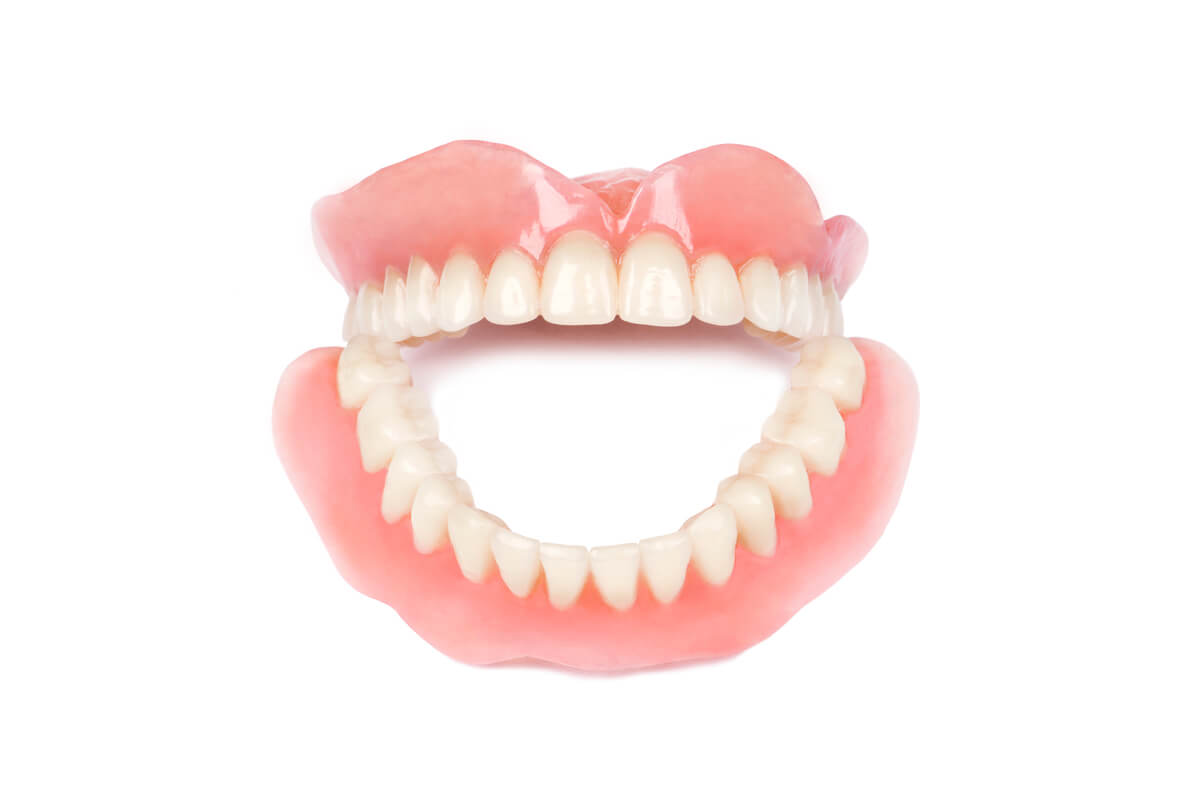
Factors Affecting Cost
- Number of teeth being replaced
- Need for additional procedures (e.g., bone grafts)
- Type of implants and materials used
- Dentist’s experience and location
It’s important to discuss all available options with your dentist to determine the best solution for your oral health, lifestyle, and budget. Remember, while cost is a significant factor, the long-term benefits of a solution that works well for you can outweigh initial expenses. Many dental practices offer payment plans to help manage the cost of treatment over time.
Whichever option you’re considering, always ensure you’re fully informed about the procedure, aftercare requirements, and any potential risks. Regular dental check-ups and good oral hygiene practices remain crucial for the longevity of any tooth replacement solution.
Myths and Facts About Full Dentures
Full dentures have been around for centuries, and over time, numerous myths and misconceptions have developed about them. In this section, we’ll separate fact from fiction and take a fascinating journey through the history of dentures. Understanding the truth about dentures can help you make informed decisions about your oral health and feel more confident if you’re considering or already using full dentures.
Debunking Common Misconceptions
Let’s address some of the most prevalent myths about full dentures and provide the facts to give you a clearer picture.
Myth: Dentures Last a Lifetime
While dentures are durable, they’re not permanent. Over time, your mouth changes shape, and dentures wear down. Most dentures need replacement every 5-10 years to maintain proper fit and function.
Myth: Dentures Feel Uncomfortable All the Time
Initially, dentures may feel strange, but most people adapt within a few weeks. If discomfort persists, it’s crucial to consult your dentist for adjustments. Modern dentures are designed for comfort and shouldn’t cause ongoing pain.
Myth: You Can’t Eat Normally with Dentures
While there’s an adjustment period, most denture wearers can enjoy a varied diet. You might need to avoid very sticky or hard foods, but with practice, you’ll be able to eat most of your favourite dishes comfortably.
Myth: Dentures Make You Look Old
Today’s dentures are custom-made to fit your face and mouth. Well-fitted dentures can actually improve your appearance by supporting your facial muscles and restoring your smile.
Myth: You Don’t Need to Visit the Dentist If You Have Full Dentures
Regular dental check-ups remain essential even with full dentures. Your dentist will check the fit of your dentures, examine your oral tissues for any issues, and perform oral cancer screenings.
Myth: Denture Adhesives Are Always Necessary
Well-fitted dentures often stay in place without adhesives. However, some people use adhesives for extra security or comfort. If you find yourself relying heavily on adhesives, it’s time to have your dentures checked for fit.
Myth: Everyone Will Know You’re Wearing Dentures
Modern dentures are designed to look natural. Unless you tell someone, it’s unlikely they’ll notice you’re wearing dentures. Your speech and smile should appear natural once you’ve adjusted to wearing them.
Interesting Facts About Dentures Throughout History
The history of dentures is as fascinating as it is long. Let’s explore some intriguing facts about the evolution of dentures.
Ancient Beginnings
The concept of replacing missing teeth dates back to 700 BC. The Etruscans in northern Italy made dentures from human or animal teeth tied together with gold bands.
Waterloo Teeth
In the 19th century, dentures made from the teeth of dead soldiers were highly prized. After the Battle of Waterloo in 1815, teeth from fallen soldiers were in such high demand that they became known as “Waterloo teeth”.
The Myth of George Washington’s Wooden Teeth
Contrary to popular belief, George Washington never had wooden teeth. His dentures were made from a combination of human teeth, cow teeth, and ivory.
Japan’s Contribution
In the 16th century, Japan pioneered the use of wooden dentures. These were crafted with great skill and were surprisingly comfortable and functional for their time.
The Vulcanite Revolution
In 1850, vulcanite, a hardened rubber, was introduced for making denture bases. This revolutionised denture production, making them more affordable and comfortable.
Acrylic Resin: The Game Changer
During World War II, acrylic resin was developed and quickly became the material of choice for dentures. It’s still widely used today due to its durability, affordability, and ease of adjustment.
3D Printing: The Future of Dentures?
Recent advancements in 3D printing technology are set to revolutionise denture production. This could lead to faster, more precise, and potentially more affordable denture manufacturing in the future.
The Royal Connection
Queen Elizabeth I was known to stuff her cheeks with cloth to compensate for her lost teeth and maintain her appearance. This practice influenced fashion in the Elizabethan era, with courtiers mimicking the Queen’s full-cheeked look.
Understanding these myths and facts about dentures can help demystify the subject and alleviate concerns you might have about getting dentures. Remember, modern dentistry has come a long way, and today’s dentures are comfortable, functional, and natural-looking. If you’re considering dentures or have questions about your current ones, don’t hesitate to discuss your concerns with your dentist. They can provide personalised advice and ensure you have the best possible experience with your dentures.
Preventing the Need for Full Dentures
While full dentures can be an effective solution for tooth loss, it’s far better to maintain your natural teeth for as long as possible. By taking proactive steps to care for your oral health, you can significantly reduce the likelihood of needing full dentures in the future. Let’s explore the key strategies for preserving your natural smile.
Importance of Good Oral Hygiene
Maintaining excellent oral hygiene is crucial for preventing tooth loss and preserving your natural teeth. By adopting a thorough oral care routine, you can protect your teeth and gums from decay and disease.
Proper Brushing Technique
Brush your teeth at least twice daily using a soft-bristled toothbrush and fluoride toothpaste. Use gentle, circular motions to clean all surfaces of your teeth, including the front, back, and chewing surfaces. Pay special attention to the gum line, where plaque tends to accumulate.
Flossing Daily
Flossing removes plaque and food particles from between your teeth and along the gum line, areas your toothbrush can’t reach effectively. Make flossing a daily habit to prevent cavities and gum disease.
Using Mouthwash
An antimicrobial mouthwash can help reduce plaque buildup and freshen your breath. Look for a mouthwash containing fluoride to strengthen your tooth enamel and provide additional protection against decay.
Regular Dental Check-ups and Cleanings
Visiting your dentist regularly is essential for maintaining optimal oral health and catching potential issues early. These appointments play a crucial role in preventing the need for full dentures.
Bi-annual Dental Examinations
Schedule dental check-ups every six months. During these visits, your dentist will examine your teeth and gums for signs of decay, gum disease, or other oral health issues. Early detection allows for prompt treatment, potentially saving your natural teeth.
Professional Cleanings
Regular professional cleanings remove tartar buildup that you can’t eliminate through brushing and flossing alone. These cleanings also help prevent gum disease, a leading cause of tooth loss.
X-rays and Diagnostic Tools
Your dentist may use X-rays and other diagnostic tools to detect hidden dental problems, such as cavities between teeth or issues below the gum line. This early detection can prevent more serious dental issues that could lead to tooth loss.
Lifestyle Factors that Affect Oral Health
Your daily habits and lifestyle choices can significantly impact your oral health. By making informed decisions, you can protect your teeth and reduce the risk of needing full dentures in the future.
Balanced Diet
A nutritious diet rich in vitamins and minerals supports strong teeth and healthy gums. Limit sugary and acidic foods and drinks, as these can erode tooth enamel and contribute to decay. Include calcium-rich foods like dairy products, leafy greens, and fortified plant-based alternatives to strengthen your teeth.
Quitting Smoking
Smoking and tobacco use increase your risk of gum disease, tooth discolouration, and oral cancer. Quitting smoking not only improves your overall health but also significantly benefits your oral health and reduces the likelihood of tooth loss.
Limiting Alcohol Consumption
Excessive alcohol consumption can lead to dry mouth, increasing your risk of tooth decay and gum disease. If you choose to drink, do so in moderation and stay hydrated with water.
Protecting Your Teeth During Sports
If you participate in contact sports or activities with a risk of facial injury, wear a properly fitted mouthguard. This simple precaution can prevent tooth damage or loss due to accidents.
Managing Stress
Chronic stress can contribute to teeth grinding (bruxism) and negatively impact your immune system, making you more susceptible to gum disease. Practice stress-reduction techniques and consider using a night guard if you grind your teeth while sleeping.
By prioritising good oral hygiene, attending regular dental check-ups, and making healthy lifestyle choices, you can significantly reduce your risk of tooth loss and the need for full dentures. Remember, your natural teeth are irreplaceable, so take proactive steps to keep them healthy and strong for years to come. If you have any concerns about your oral health or are interested in learning more about preventive dental care, don’t hesitate to speak with your dentist. They can provide personalised advice and treatment options to help you maintain a healthy, natural smile.
When to Seek Professional Help
Wearing full dentures requires ongoing care and attention to maintain your oral health and ensure your dentures function properly. While dentures can greatly improve your quality of life, it’s crucial to know when to seek professional help. This section will guide you through the signs of ill-fitting dentures, oral health issues to watch for, and the importance of regular dental visits when you have dentures.
Signs of Ill-fitting Dentures
Over time, your mouth’s shape can change, causing your dentures to fit less comfortably. Recognising the signs of ill-fitting dentures is essential for maintaining your comfort and oral health.
Discomfort or Pain
If you experience persistent discomfort or pain while wearing your dentures, it’s a clear indication that they may no longer fit properly. This discomfort can manifest as soreness in your gums, cheeks, or jaw.
Difficulty Eating or Speaking
Ill-fitting dentures can make it challenging to eat your favourite foods or speak clearly. If you notice increased difficulty in these activities, it’s time to consult your dentist for an adjustment.
Clicking Sounds
When dentures fit correctly, they should remain securely in place. If you hear clicking sounds while eating or speaking, it may indicate that your dentures are loose and need attention.
Changes in Facial Appearance
Properly fitting dentures support your facial muscles. If you notice changes in your facial structure, such as sunken cheeks or lips, your dentures may need adjustment to provide proper support.
Slipping or Moving
Your dentures should stay firmly in place during normal activities. If they frequently slip or move around in your mouth, it’s a sign that they no longer fit correctly and require professional attention.
Oral Health Issues to Watch For
Even with dentures, it’s crucial to monitor your oral health. Be aware of these potential issues and seek professional help if you notice any of the following:
Gum Irritation or Inflammation
Redness, swelling, or tenderness in your gums can indicate irritation from ill-fitting dentures or the beginning of gum disease. If these symptoms persist, consult your dentist promptly.
Mouth Sores
Recurring mouth sores or ulcers, especially those that don’t heal within two weeks, warrant a visit to your dentist. These could be caused by ill-fitting dentures or may indicate a more serious oral health issue.
Bad Breath
Persistent bad breath, also known as halitosis, can be a sign of poor oral hygiene or an underlying dental problem. If thorough cleaning of your dentures and mouth doesn’t resolve the issue, seek professional advice.
Changes in Bite or Fit
If you notice changes in how your upper and lower dentures meet when you close your mouth, or if your dentures feel looser or tighter than usual, it’s time for a dental check-up.
Difficulty Removing or Inserting Dentures
Your dentures should be easy to remove and insert. If you find this becoming increasingly difficult, it could indicate changes in your mouth’s structure or issues with the dentures themselves.
Importance of Regular Dental Visits with Dentures
Regular dental check-ups are crucial for maintaining your oral health and ensuring your dentures continue to fit well and function properly.
Professional Cleaning and Examination
Your dentist can thoroughly clean your dentures and examine them for wear and tear. They can also clean and examine any remaining natural teeth and your gums, catching potential issues early.
Denture Adjustments and Repairs
Over time, your dentures may need adjustments or repairs to maintain a proper fit. Regular dental visits allow your dentist to make these changes promptly, preventing discomfort and potential oral health problems.
Oral Cancer Screening
During your check-ups, your dentist will perform oral cancer screenings. Early detection is crucial for successful treatment, making these regular examinations vital for your overall health.
Addressing Bone Loss
Without natural teeth, your jawbone can gradually shrink over time. Your dentist can monitor this bone loss and suggest treatments or adjustments to your dentures to maintain proper fit and facial structure.
Updating Your Dentures
Typically, dentures need to be replaced every 5-7 years due to normal wear and changes in your mouth’s structure. Regular dental visits allow your dentist to assess when it’s time for new dentures, ensuring you always have a comfortable and functional set.
Remember, wearing dentures doesn’t mean you can skip regular dental care. By staying vigilant about your oral health and maintaining regular check-ups with your dentist, you can ensure your dentures continue to serve you well, keeping your smile bright and your mouth healthy. Don’t hesitate to reach out to your dental professional if you experience any discomfort or notice changes in how your dentures fit or function. Your comfort and oral health are paramount, and seeking timely professional help can prevent minor issues from becoming major problems.
Frequently Asked Questions about Full Dentures
If you’re considering full dentures or have recently received them, you likely have several questions about what to expect. This section addresses some of the most common queries about full dentures, providing you with clear, practical information to help you navigate this dental solution with confidence.
Are full dentures comfortable?
The comfort of full dentures is a primary concern for many patients. While the experience can vary from person to person, modern dentures are designed with comfort in mind.
Initial Adjustment Period
When you first receive your full dentures, you may experience some discomfort as your mouth adjusts to the new appliance. This is normal and typically subsides as you become accustomed to wearing them.
Proper Fit
Well-fitted dentures should feel comfortable in your mouth. If you experience persistent discomfort, it’s crucial to consult your dentist for adjustments. Properly fitted dentures shouldn’t cause pain or irritation.
Ongoing Comfort
As you wear your dentures, your mouth may change shape over time. Regular check-ups with your dentist ensure that your dentures continue to fit comfortably, with adjustments made as needed.
How long does it take to get used to full dentures?
Adapting to full dentures is a process that requires patience and persistence. The adjustment period can vary for each individual, but there are general timelines and tips to keep in mind.
Initial Adjustment
Most people begin to feel comfortable with their dentures within 2-4 weeks. During this time, you may experience increased saliva production, mild irritation, and difficulty speaking or eating.
Full Adaptation
Complete adaptation, where wearing dentures feels natural, typically takes about 3-6 months. This includes becoming proficient at eating a variety of foods and speaking clearly.
Tips for Faster Adaptation
To speed up the adjustment process, try reading aloud to practice speaking, start with soft foods and gradually introduce more challenging textures, and be diligent about following your dentist’s care instructions.
Can I sleep with my dentures in?
While it’s possible to sleep with dentures, it’s generally not recommended for several reasons related to oral health and denture longevity.
Giving Your Mouth a Rest
Removing your dentures at night allows your gum tissues to rest and be exposed to the cleansing action of your tongue and saliva, promoting better oral health.
Denture Care
Nighttime is an ideal time to clean your dentures thoroughly and soak them in a cleaning solution, which helps maintain their shape and cleanliness.
Exceptions
In some cases, your dentist might recommend wearing dentures for the first few days after receiving them, including while sleeping, to identify any areas needing adjustment.
Will dentures affect my speech?
It’s common for dentures to temporarily affect your speech, but with practice and patience, most people regain clear speech.
Initial Changes
When you first start wearing dentures, you may notice changes in your pronunciation, especially with sounds like “s” and “f”. This is because your tongue is learning to form sounds around the new dentures.
Adaptation Period
Most people adapt their speech within a few weeks. Regular practice, such as reading aloud or having conversations, can speed up this process.
Ongoing Adjustments
If speech problems persist beyond the initial adaptation period, consult your dentist. They can check the fit of your dentures and make necessary adjustments to improve your comfort and speech.
How much do full dentures cost in the UK?
The cost of full dentures in the UK can vary widely depending on several factors, including the type of dentures and whether you’re receiving treatment through the NHS or privately.
NHS Dentures
If you qualify for NHS dental treatment, full dentures fall under Band 3 treatment, which costs £282.80 in England (as of 2024). Prices may differ in Scotland, Wales, and Northern Ireland.
Private Dentures
Privately, the cost of full dentures can range from £800 to £2,500 or more per arch (upper or lower). The exact price depends on the quality of materials used and the complexity of your case.
Additional Costs
Remember to factor in potential additional costs such as adjustments, repairs, or replacements over time. Your dentist can provide a detailed breakdown of costs specific to your needs.
Understanding these common concerns about full dentures can help you feel more prepared and confident as you embark on your denture journey. Remember, every individual’s experience with dentures is unique, and your dentist is your best resource for personalised advice and care. Don’t hesitate to ask questions or voice concerns during your dental appointments – they’re there to ensure you have the best possible experience with your new dentures.
Wrapping Up: Your Journey with Full Dentures
As we come to the end of our comprehensive guide on full dentures, let’s take a moment to reflect on the key points we’ve covered and consider your next steps towards a healthier, more confident smile.
Key Takeaways
Throughout this article, we’ve explored various aspects of full dentures to help you make informed decisions about your oral health.
Understanding Full Dentures
Full dentures are removable dental appliances that replace an entire arch of missing teeth, restoring your ability to eat, speak, and smile with confidence. They’re custom-made to fit your mouth comfortably and can significantly improve your quality of life.
Types and Materials
We’ve discussed different types of full dentures, including conventional, immediate, and implant-supported options. Each type has its own benefits, and the choice of materials can affect both aesthetics and durability.
The Fitting Process
Getting full dentures involves several steps, from initial consultations and impressions to final fittings and adjustments. This process ensures your dentures fit properly and function effectively.
Adaptation and Care
Adapting to new dentures takes time and patience. Proper care, including daily cleaning and regular dental check-ups, is crucial for maintaining your dentures and oral health.
Potential Challenges
While dentures can greatly improve your oral function, they may present some challenges, such as initial discomfort or speech changes. Most issues can be resolved with time, practice, and professional adjustments.
The Importance of Professional Guidance
While this guide provides a comprehensive overview of full dentures, it’s crucial to remember that every person’s dental needs are unique.
Personalised Dental Care
Your dentist can provide tailored advice based on your specific oral health condition, lifestyle, and preferences. They can guide you through the decision-making process and help you choose the best denture option for your needs.
Ongoing Support
Regular dental visits are essential for maintaining the fit and function of your dentures. Your dentist can make necessary adjustments, address any concerns, and ensure your overall oral health remains in top condition.
Expert Answers to Your Questions
Don’t hesitate to ask your dentist any questions you may have about full dentures. They can provide clarity on topics such as cost, maintenance, and what to expect during the adaptation period.
Taking the Next Step
Now that you’re armed with knowledge about full dentures, it’s time to take action towards improving your oral health and quality of life.
Book a Consultation
If you’re considering full dentures or have concerns about your current dentures, the first step is to book a consultation with a qualified dentist. They can assess your oral health and discuss your options in detail.
Prepare for Your Appointment
Before your consultation, make a list of questions or concerns you’d like to address. This ensures you get the most out of your appointment and have all the information you need to make informed decisions about your dental care.
Explore Your Options
During your consultation, don’t be afraid to ask about different types of dentures, materials, and any alternative treatments that might be suitable for your situation. Your dentist can explain the pros and cons of each option.
Remember, investing in your oral health is investing in your overall wellbeing. Full dentures can be a life-changing solution for those missing teeth, restoring not just your smile but also your confidence and ability to enjoy life to the fullest. By seeking professional advice and taking proactive steps towards better oral health, you’re on the path to a brighter, healthier future. Don’t wait – reach out to a dental professional today and take the first step towards your new smile!
Exploring Related Dental Topics
While full dentures are an excellent solution for complete tooth loss, there are several related dental topics that you might find interesting and relevant to your oral health journey. Understanding these areas can provide a more comprehensive view of dental care options and help you make informed decisions about your oral health.
Partial Dentures
If you still have some healthy natural teeth, partial dentures might be a more suitable option for you. These removable appliances fill the spaces left by missing teeth while preserving your remaining natural teeth.
Types of Partial Dentures
There are various types of partial dentures, including removable partial dentures made of acrylic or metal frameworks, and flexible partial dentures. Each type has its own benefits and considerations in terms of comfort, aesthetics, and durability.
Benefits of Partial Dentures
Partial dentures can prevent your remaining teeth from shifting, maintain proper bite alignment, and restore your ability to eat and speak comfortably. They also offer a more affordable option compared to dental implants or bridges.
Dental Implants
Dental implants provide a permanent solution for missing teeth and can be used to support full dentures, offering increased stability and comfort.
How Dental Implants Work
Implants are titanium posts surgically placed into your jawbone, acting as artificial tooth roots. They can support individual crowns, bridges, or even full dentures, providing a stable and natural-feeling replacement for missing teeth.
Implant-Supported Dentures
For those considering full dentures, implant-supported options offer increased stability and can help preserve jawbone density. These dentures snap onto implants, reducing slippage and improving comfort and confidence.
Gum Disease and Tooth Loss
Understanding gum disease is crucial for preventing tooth loss and maintaining overall oral health, whether you have natural teeth or dentures.
Stages of Gum Disease
Gum disease progresses from gingivitis, an early, reversible stage, to periodontitis, which can lead to tooth loss. Recognising early signs like bleeding gums or bad breath is key to preventing its progression.
Prevention and Treatment
Good oral hygiene, regular dental check-ups, and professional cleanings are essential for preventing and managing gum disease. For those with dentures, proper denture care and regular dental visits remain important for maintaining gum health.
Cosmetic Dentistry Options
Cosmetic dentistry offers various options for improving the appearance of your smile, whether you have natural teeth, partial dentures, or full dentures.
Teeth Whitening
For those with natural teeth or partial dentures, professional teeth whitening can brighten your smile. If you have full dentures, your dentist can advise on cleaning methods to keep them looking their best.
Veneers and Bonding
These treatments can improve the appearance of natural teeth, complementing partial dentures or enhancing your smile before transitioning to full dentures.
Nutrition and Oral Health
Your diet plays a crucial role in maintaining oral health, regardless of whether you have natural teeth or dentures.
Nutrient-Rich Foods for Oral Health
A balanced diet rich in calcium, vitamin D, and vitamin C supports strong teeth and healthy gums. For denture wearers, proper nutrition helps maintain overall oral health and comfort.
Adapting Your Diet with Dentures
If you’re new to dentures, you might need to adjust your eating habits. Start with softer foods and gradually introduce more challenging textures as you become comfortable with your dentures.
Exploring these related topics can provide you with a well-rounded understanding of oral health and the various options available for maintaining a healthy, confident smile. Remember, your dentist is your best resource for personalised advice on these topics and how they relate to your specific oral health needs. Don’t hesitate to discuss these areas during your next dental visit to ensure you’re making the best choices for your dental health.