Mastering the Art of Tooth Brushing: Your Guide to a Healthier Smile
You’ve been brushing your teeth since childhood, but have you ever wondered if you’re doing it right? Proper tooth brushing is the cornerstone of good oral hygiene, yet many of us may be missing the mark without even realising it. In this guide, we’ll explore the ins and outs of effective tooth brushing, helping you achieve that sparkling smile and maintain optimal oral health.
Why Proper Brushing Matters
Brushing your teeth isn’t just about fresh breath and a clean feeling. It’s a crucial defence against a host of dental issues:
Plaque Removal
Effective brushing removes plaque, a sticky film of bacteria that forms on your teeth. If left unchecked, plaque can lead to tooth decay and gum disease.
Cavity Prevention
By removing food particles and neutralising acids, proper brushing helps prevent cavities, saving you from potentially painful and costly dental procedures.
Gum Health
Gentle yet thorough brushing keeps your gums healthy, reducing the risk of gingivitis and more severe periodontal diseases.
Common Brushing Misconceptions
Before we dive into the correct technique, let’s clear up some common misunderstandings:
Harder Brushing Isn’t Better
Contrary to popular belief, scrubbing your teeth vigorously doesn’t make them cleaner. In fact, it can damage your enamel and irritate your gums.
Longer Isn’t Always More Effective
Brushing for more than the recommended two minutes doesn’t necessarily improve cleanliness. It’s the technique that counts, not marathon brushing sessions.
Rinsing Immediately Isn’t Ideal
Many people rinse their mouths immediately after brushing, but this can wash away the protective fluoride from your toothpaste. It’s better to spit out excess toothpaste and avoid rinsing for at least 30 minutes.
What We’ll Cover
In this comprehensive guide, we’ll walk you through:
- The basics of tooth brushing, including frequency and duration
- How to choose the right toothbrush and toothpaste
- Step-by-step instructions for proper brushing technique
- Common brushing mistakes and how to avoid them
- Special considerations for different age groups and dental conditions
- Complementary oral hygiene practices
- When to seek professional dental help
By the end of this article, you’ll have all the knowledge you need to brush your teeth like a pro. Remember, good oral hygiene is a lifelong commitment, but with the right techniques, it’s an easy and effective way to maintain your dental health. So, let’s get started on your journey to a healthier, brighter smile!
The Basics of Tooth Brushing
Brushing your teeth is a fundamental part of maintaining good oral health. It’s a daily ritual that most of us perform without much thought, but understanding the why, when, and how of tooth brushing can significantly improve your dental hygiene. Let’s explore the essentials of this crucial habit.
Why We Brush Our Teeth
Tooth brushing serves several vital purposes for our oral health:
Plaque Removal
The primary goal of brushing is to remove plaque, a sticky film of bacteria that constantly forms on our teeth. If left unchecked, plaque can lead to tooth decay and gum disease.
Preventing Tooth Decay
By removing plaque and food particles, brushing helps prevent the buildup of harmful bacteria that produce acid, which erodes tooth enamel and causes cavities.
Gum Health
Regular brushing stimulates your gums, promoting good circulation and helping to prevent gingivitis, the early stage of gum disease.
Fresh Breath
Brushing removes food particles and bacteria that can cause bad breath, keeping your mouth fresh and clean.
How Often Should We Brush
The frequency of tooth brushing is crucial for maintaining optimal oral health:
Twice Daily Routine
Dentists recommend brushing your teeth at least twice a day. This typically means once in the morning and once before bed.
Morning Brush
Brushing in the morning removes the plaque and bacteria that have built up overnight and freshens your breath for the day ahead.
Evening Brush
The bedtime brush is particularly important as it clears away the day’s accumulation of plaque and food particles, preventing them from sitting on your teeth overnight.
After Meals
While not always practical, brushing after meals can be beneficial. If you can’t brush, rinsing your mouth with water can help remove food particles.
Caution After Acidic Foods
Wait at least 30 minutes after consuming acidic foods or drinks before brushing to avoid damaging softened enamel.
Recommended Brushing Duration
The length of time you spend brushing is just as important as how often you brush:
Two-Minute Rule
Aim to brush your teeth for at least two minutes each time. This duration ensures thorough cleaning of all tooth surfaces.
Quadrant Approach
Divide your mouth into four quadrants and spend 30 seconds on each to ensure even cleaning.
Timing Methods
Use a timer or listen to a short song to help you brush for the full two minutes. Many electric toothbrushes have built-in timers to assist you.
Quality Over Quantity
While duration is important, focus on thorough cleaning rather than aggressive scrubbing, which can damage your gums and enamel.
Understanding these basics of tooth brushing sets the foundation for good oral hygiene. Remember, while brushing is crucial, it’s just one part of a comprehensive dental care routine. Regular check-ups with your dentist, along with proper brushing techniques and tools, will help keep your smile healthy and bright for years to come.
Choosing the Right Tools
Selecting the proper tools for brushing your teeth is crucial for maintaining optimal oral health. The right toothbrush and toothpaste can make a significant difference in the effectiveness of your daily dental care routine. Let’s explore the key factors to consider when choosing these essential tools.
Types of Toothbrushes
The two main categories of toothbrushes are manual and electric. Each has its own set of advantages:
Manual Toothbrushes
These traditional toothbrushes are cost-effective and readily available. They offer complete control over brushing pressure and motion, making them a reliable choice for many.
Advantages of Manual Brushes
Manual brushes are portable, don’t require charging, and are ideal for travel. They’re also suitable for those who prefer a simpler approach to dental care.
Electric Toothbrushes
Electric toothbrushes use motorised movements to clean teeth more efficiently. They often come with features like timers and pressure sensors to improve brushing technique.
Types of Electric Brushes
There are two main types: oscillating-rotating brushes that move in a circular motion, and sonic brushes that vibrate at high speeds. Both can be effective when used properly.
Benefits of Electric Brushes
Electric toothbrushes can be particularly helpful for people with limited mobility or those who struggle with proper brushing technique. They often remove more plaque than manual brushes.
Selecting the Appropriate Toothbrush Size and Bristle Type
The size of your toothbrush head and the type of bristles can significantly impact your brushing effectiveness:
Toothbrush Head Size
Choose a brush head that allows you to easily reach all areas of your mouth. For most adults, a toothbrush head that’s 1 cm wide and 2 cm long works well.
Considerations for Head Size
A smaller brush head might be more comfortable and effective if you have a smaller mouth or find it difficult to reach your back teeth.
Bristle Types
Toothbrush bristles come in soft, medium, and hard varieties. Most dentists recommend soft bristles for the majority of people.
Soft Bristles
Soft bristles are gentle on your gums and tooth enamel while still being effective at removing plaque. They’re suitable for most people, including those with sensitive teeth or gums.
Medium and Hard Bristles
While some people prefer firmer bristles, they can be too abrasive and may damage your enamel or gums if used improperly. Only use these if recommended by your dentist.
Importance of Toothpaste Selection
Choosing the right toothpaste is just as important as selecting the proper toothbrush. Different toothpastes offer various benefits:
Fluoride Content
Fluoride is a crucial ingredient in toothpaste as it helps prevent tooth decay by strengthening enamel. Look for toothpastes that contain at least 1,350 parts per million (ppm) fluoride.
Specialised Formulations
Depending on your specific needs, you might consider toothpastes designed for:
Sensitive Teeth
These contain ingredients like potassium nitrate or strontium chloride to help reduce sensitivity.
Whitening
Whitening toothpastes contain mild abrasives or chemical agents to remove surface stains. Be cautious with overuse, as they can be abrasive.
Gum Health
Toothpastes formulated for gum health often contain ingredients like stannous fluoride or triclosan to fight gingivitis.
Natural and Alternative Options
Some people prefer natural or fluoride-free toothpastes. While these can be effective for cleaning, they may not provide the same level of cavity protection as fluoride toothpastes.
Consult Your Dentist
If you’re unsure which toothpaste is best for you, ask your dentist for recommendations based on your specific oral health needs.
Selecting the right toothbrush and toothpaste is an important step in maintaining good oral hygiene. Remember, the best tools are the ones you’ll use consistently and correctly. Regular dental check-ups can help you refine your choices and ensure you’re using the most appropriate tools for your dental health needs.

The Proper Tooth Brushing Technique
Mastering the art of tooth brushing is essential for maintaining optimal oral health. Many of us have been brushing our teeth since childhood, but are we doing it correctly? This section will guide you through the proper technique, ensuring you’re giving your pearly whites the care they deserve.
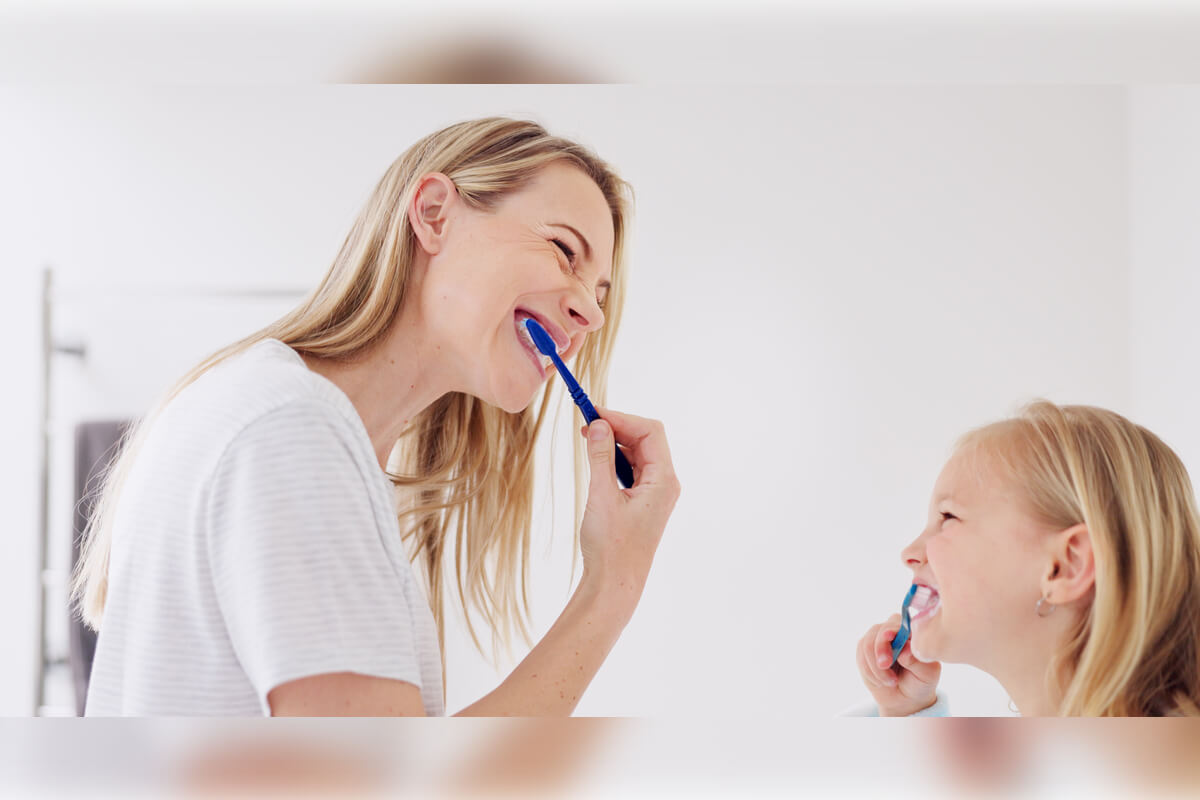
Step-by-step guide to effective brushing
Follow these steps to ensure you’re brushing your teeth effectively:
Choose the right toothbrush
Select a soft-bristled brush with a small head to reach all areas of your mouth easily. Electric toothbrushes can be particularly effective, but a manual brush works well when used properly.
Apply toothpaste
Use a pea-sized amount of fluoride toothpaste. Fluoride helps strengthen tooth enamel and prevent decay.
Position your brush
Hold your toothbrush at a 45-degree angle to your gums. This angle allows the bristles to clean both the tooth surface and just under the gum line.
Use gentle, circular motions
Brush using small, gentle circular movements. Avoid aggressive scrubbing, which can damage your gums and tooth enamel.
Clean all surfaces
Brush the outer surfaces, inner surfaces, and chewing surfaces of all your teeth. Don’t forget those hard-to-reach back molars!
Brush your tongue
Gently brush your tongue to remove bacteria and freshen your breath.
Rinse thoroughly
Spit out the toothpaste and rinse your mouth with water. Some dentists recommend not rinsing after brushing to allow the fluoride in the toothpaste to continue protecting your teeth.
Correct angle and pressure
The angle and pressure you apply while brushing are crucial for effective cleaning without causing damage.
45-degree angle
Hold your brush at a 45-degree angle to your gums. This position allows the bristles to clean the tooth surface and slightly underneath the gum line, where plaque often accumulates.
Gentle pressure
Use light pressure when brushing. Imagine you’re massaging your teeth and gums rather than scrubbing them. Excessive force can wear down tooth enamel and irritate your gums, potentially leading to gum recession.
Let the bristles do the work
If you’re using an electric toothbrush, allow the brush to do the work. Gently guide it along your teeth and gums without applying additional pressure.
Brushing different areas of the mouth
Each area of your mouth requires specific attention to ensure thorough cleaning.
Outer surfaces
Start with the outer surfaces of your teeth. Brush the front and back teeth using gentle, circular motions. Pay extra attention to the gum line where plaque tends to build up.
Inner surfaces
Tilt your brush vertically and use gentle up-and-down strokes to clean the inner surfaces of your front and back teeth. These areas are often neglected but are just as important as the outer surfaces.
Chewing surfaces
Use back-and-forth motions to clean the chewing surfaces of your molars and premolars. These grooved surfaces can trap food particles and require thorough cleaning.
Behind front teeth
To clean behind your front teeth, tilt the brush vertically and use gentle up-and-down strokes with the tip of the brush. This area is prone to tartar build-up, so give it extra attention.
Tongue cleaning
Cleaning your tongue is an often-overlooked yet crucial part of your oral hygiene routine.
Why clean your tongue?
Your tongue harbours bacteria that can cause bad breath and contribute to tooth decay. Regular tongue cleaning helps maintain fresh breath and overall oral health.
Using your toothbrush
Gently brush your tongue from back to front using your toothbrush. Be careful not to brush too hard, as this can irritate your taste buds.
Tongue scrapers
Consider using a tongue scraper for more effective cleaning. These tools are designed to remove the build-up of bacteria and food debris from your tongue’s surface.
Technique for tongue scraping
Start at the back of your tongue and gently pull the scraper forward. Rinse the scraper after each pass. Repeat this process several times, covering the entire surface of your tongue.
Remember, proper brushing technique is just one aspect of good oral hygiene. Complement your brushing routine with daily flossing and regular dental check-ups. If you’re unsure about your technique or have any concerns, don’t hesitate to ask your dentist for a demonstration at your next appointment. With consistent care and the right approach, you’ll be well on your way to maintaining a healthy, beautiful smile.
Common Brushing Mistakes
Even with the best intentions, many of us make mistakes when brushing our teeth. These errors can compromise our oral health and lead to problems down the line. By understanding and avoiding these common pitfalls, you can significantly improve your dental hygiene routine and maintain a healthier smile.
Brushing too hard
One of the most frequent mistakes people make is applying too much pressure while brushing. This can have several negative consequences for your oral health.
Enamel erosion
Vigorous brushing can wear away your tooth enamel, the protective outer layer of your teeth. Once enamel is lost, it doesn’t grow back, leaving your teeth more vulnerable to sensitivity and decay.
Gum recession
Excessive pressure can cause your gums to recede, exposing the sensitive root areas of your teeth. This not only leads to increased sensitivity but can also make your teeth appear longer and less aesthetically pleasing.
Correct pressure
Use gentle, circular motions when brushing. If you’re unsure about the right amount of pressure, try holding your toothbrush with just your thumb and forefinger. This naturally limits the force you can apply.
Using a worn-out toothbrush
Many people continue using their toothbrush long after it’s past its prime. This can significantly reduce the effectiveness of your brushing routine.
Ineffective cleaning
Worn bristles can’t clean your teeth properly, leaving plaque and food particles behind. This increases your risk of tooth decay and gum disease.
Bacterial growth
Old toothbrushes can harbour bacteria, potentially reintroducing harmful microorganisms into your mouth each time you brush.
When to replace
Replace your toothbrush or electric toothbrush head every three to four months, or sooner if the bristles become frayed or splayed. Some toothbrushes have colour-changing bristles to indicate when it’s time for a replacement.
Neglecting certain areas of the mouth
It’s easy to fall into a routine of brushing the same areas repeatedly while missing others. This oversight can lead to localised dental problems.
Back molars
The back teeth are often neglected due to their difficult-to-reach location. Pay extra attention to these areas, as they’re prone to decay due to their grooved surfaces that can trap food particles.
Inner surfaces
Don’t forget to brush the inner surfaces of your teeth, particularly behind your front teeth. These areas can accumulate tartar quickly if not cleaned regularly.
Gum line
The area where your teeth meet your gums is crucial for preventing gum disease. Angle your brush at 45 degrees to clean this area effectively without causing irritation.
Systematic approach
Develop a systematic approach to ensure you cover all areas of your mouth. For example, start with the outer surfaces of your upper teeth, then move to the inner surfaces, followed by the chewing surfaces. Repeat this process for your lower teeth.
Rinsing immediately after brushing
Many people habitually rinse their mouths with water immediately after brushing. However, this practice can reduce the effectiveness of your toothpaste.
Fluoride benefits
Fluoride, a key ingredient in most toothpastes, helps strengthen tooth enamel and prevent decay. Rinsing immediately after brushing washes away this beneficial fluoride before it has a chance to work effectively.
Spit, don’t rinse
After brushing, spit out excess toothpaste but avoid rinsing your mouth with water. This allows the fluoride in the toothpaste to continue protecting your teeth.
Timing matters
If you prefer to rinse, wait at least 30 minutes after brushing. This gives the fluoride enough time to interact with your tooth enamel.
Mouthwash considerations
If you use mouthwash, don’t use it immediately after brushing. Instead, use it at a different time of day to maximise its benefits without interfering with your toothpaste’s fluoride.
By being aware of these common brushing mistakes and taking steps to correct them, you can significantly improve your oral hygiene routine. Remember, good dental health is about consistency and technique rather than aggressive cleaning. If you’re unsure about your brushing technique or have concerns about your oral health, don’t hesitate to discuss these with your dentist at your next check-up. They can provide personalised advice and demonstrate proper techniques to help you maintain a healthy, beautiful smile.
Brushing for Different Age Groups
Proper tooth brushing is essential for maintaining oral health throughout life, but the approach may vary depending on age and individual circumstances. This section explores how brushing techniques and considerations change for different age groups, ensuring everyone can maintain a healthy smile.
Children and toddlers
Establishing good oral hygiene habits early in life is crucial for long-term dental health. Here’s how to approach tooth brushing for the youngest members of the family:
Starting early
Begin cleaning your baby’s gums with a soft, damp cloth even before their first tooth appears. This helps acclimate them to oral care and removes bacteria.
First tooth, first brush
As soon as the first tooth emerges, usually around 6 months, start using a small, soft-bristled toothbrush designed for infants. Use only a smear of fluoride toothpaste, about the size of a grain of rice.
Toddler techniques
For children under 3, use a pea-sized amount of fluoride toothpaste. Brush their teeth twice daily, focusing on gentle, circular motions. Make it fun by turning it into a game or singing a tooth-brushing song.
Supervision is key
Children typically need help brushing their teeth until around age 7 or 8. Supervise their brushing to ensure they’re using the correct technique and not swallowing toothpaste.
Choose the right tools
Use age-appropriate toothbrushes with soft bristles. Consider electric toothbrushes designed for children, which can make brushing more engaging and effective.
Positive reinforcement
Praise your child for good brushing habits. Consider using a reward chart to encourage consistent oral care.
Adults
As we grow older, our oral health needs evolve. Here’s what adults should keep in mind for effective tooth brushing:
Brush twice daily
Maintain a routine of brushing at least twice a day, ideally in the morning and before bed. Each brushing session should last about two minutes.
Use proper technique
Hold your brush at a 45-degree angle to your gums and use gentle, circular motions. Don’t forget to brush the inner surfaces, chewing surfaces, and your tongue.
Choose the right toothbrush
Opt for a soft-bristled brush that fits comfortably in your mouth. Replace it every 3-4 months or sooner if the bristles become frayed.
Consider electric options
Electric toothbrushes can be particularly effective at removing plaque. Many come with timers to ensure you brush for the full two minutes.
Use fluoride toothpaste
Choose a fluoride toothpaste to help prevent tooth decay. Use a pea-sized amount and avoid rinsing immediately after brushing to allow the fluoride to continue working.
Complement with flossing
Incorporate daily flossing into your routine to clean between teeth where your brush can’t reach.
Elderly and those with limited mobility
As we age or face mobility challenges, maintaining good oral hygiene can become more difficult. Here are some strategies to ensure effective brushing:
Adapted tools
Consider using toothbrushes with larger handles or grip attachments for easier holding. Electric toothbrushes can also be helpful for those with limited manual dexterity.
Modified techniques
If holding a toothbrush is challenging, try wrapping the handle with a washcloth or using a rubber band to attach it to your hand.
Interdental cleaners
For those who struggle with traditional flossing, interdental brushes or water flossers can be effective alternatives for cleaning between teeth.
Denture care
If you wear dentures, clean them daily with a soft-bristled brush and denture cleaner. Remove them at night to give your gums a rest.
Dry mouth management
Many older adults experience dry mouth, which can increase the risk of tooth decay. Drink water frequently and consider using saliva substitutes recommended by your dentist.
Regular check-ups
Maintain regular dental visits for professional cleanings and check-ups. Your dentist can provide personalised advice on managing your oral health as you age.
Caregiver assistance
If you’re caring for an elderly person or someone with limited mobility, assist them with their oral hygiene routine. Be gentle and patient, explaining each step as you go.
Remember, regardless of age or physical ability, everyone deserves a healthy smile. If you’re unsure about the best brushing techniques for your specific situation, don’t hesitate to consult your dentist. They can provide tailored advice and demonstrate effective methods to ensure you’re getting the most out of your oral hygiene routine. Regular dental check-ups are crucial for catching any potential issues early and maintaining optimal oral health throughout your life.
Special Considerations
While general brushing techniques apply to most people, certain dental conditions require special attention and modified approaches. This section explores how to maintain good oral hygiene when dealing with braces, sensitive teeth, and receding gums.
Brushing with braces
Wearing braces presents unique challenges for oral hygiene, but with the right techniques and tools, you can keep your teeth clean and healthy throughout your orthodontic treatment.
Choose the right toothbrush
Opt for a soft-bristled brush with a small head to navigate around brackets and wires. Many orthodontists recommend using both a regular toothbrush and an interdental brush for thorough cleaning.
Brushing technique
Brush at a 45-degree angle to the gum line, using gentle circular motions. Pay extra attention to the areas around brackets and between teeth. Brush the tops and bottoms of brackets to remove trapped food particles.
Interdental cleaning
Use interdental brushes or floss threaders to clean between teeth and under wires. This step is crucial for preventing decay and gum problems during orthodontic treatment.
Frequency matters
With braces, it’s important to brush after every meal to prevent food from lodging in your brackets. If you can’t brush immediately, rinse your mouth thoroughly with water.
Water flossers
Consider using a water flosser (oral irrigator) to help dislodge food particles and clean hard-to-reach areas around your braces.
Regular check-ups
Maintain regular appointments with both your orthodontist and general dentist to ensure your teeth and gums remain healthy throughout your treatment.
Caring for sensitive teeth
Tooth sensitivity can make brushing uncomfortable, but proper care can help alleviate discomfort and protect your teeth.
Use a soft-bristled brush
Choose a toothbrush with extra-soft bristles to minimise irritation to sensitive teeth and gums. Brush gently to avoid further aggravating sensitive areas.
Desensitising toothpaste
Use a toothpaste specifically formulated for sensitive teeth. These contain ingredients like potassium nitrate or strontium chloride that help block pain signals from tooth nerves.
Proper brushing technique
Use gentle, circular motions when brushing. Avoid aggressive scrubbing, which can wear down enamel and increase sensitivity.
Avoid triggers
Identify and avoid foods and drinks that trigger sensitivity, such as very hot or cold items, acidic foods, or sugary snacks.
Fluoride treatments
Ask your dentist about fluoride treatments or high-fluoride toothpaste to help strengthen tooth enamel and reduce sensitivity.
Consider a mouthguard
If you grind your teeth at night, which can lead to sensitivity, talk to your dentist about using a nightguard to protect your teeth.
Addressing receding gums
Receding gums can expose sensitive root surfaces and increase the risk of decay. Here’s how to care for your teeth and gums when dealing with gum recession:
Gentle brushing technique
Use a soft-bristled toothbrush and apply gentle pressure. Brush in small, circular motions rather than a harsh back-and-forth sawing motion to avoid further irritation.
Modified bass technique
This technique involves placing the brush at a 45-degree angle to the gums and making gentle vibratory motions. It’s particularly effective for cleaning along the gum line without causing damage.
Choose the right toothpaste
Use a toothpaste designed for sensitive teeth if root surfaces are exposed. Avoid whitening toothpastes, which can be abrasive and irritate receding gums.
Interdental cleaning
Gently clean between teeth using soft interdental brushes or waxed floss to remove plaque without irritating the gums.
Consider an electric toothbrush
Some electric toothbrushes have pressure sensors to prevent overbrushing, which can be beneficial for those with receding gums.
Gum massage
Gently massage your gums with a soft toothbrush or your finger to stimulate blood flow and promote gum health.
Professional treatment
Consult your dentist about professional treatments for receding gums, such as deep cleaning or gum grafting, if the recession is severe.
Remember, while these special considerations can help you maintain good oral hygiene in challenging situations, it’s crucial to work closely with your dentist. They can provide personalised advice and monitor your oral health, ensuring that your brushing techniques and overall dental care routine are effective for your specific needs. Regular dental check-ups are especially important when dealing with braces, sensitive teeth, or receding gums, as early intervention can prevent more serious dental problems down the line.
Complementary Oral Hygiene Practices
While brushing is the cornerstone of good oral hygiene, it’s not the only practice you should incorporate into your dental care routine. To maintain optimal oral health, it’s important to complement your brushing with other effective cleaning methods. This section explores additional oral hygiene practices that work alongside brushing to keep your teeth and gums in top condition.
Flossing
Flossing is a crucial part of your daily oral hygiene routine, reaching areas between teeth that your toothbrush can’t access effectively.
Why floss?
Flossing removes plaque and food particles from between teeth and along the gum line, helping to prevent tooth decay and gum disease in these hard-to-reach areas.
When to floss
Ideally, you should floss at least once a day. Many dentists recommend flossing before brushing to loosen debris that can then be brushed away.
Proper flossing technique
Use about 45 cm of floss, winding most of it around your middle fingers. Gently guide the floss between teeth using a rubbing motion. When the floss reaches the gum line, curve it into a C shape against one tooth and slide it gently into the space between the gum and the tooth.
Types of floss
Choose from waxed or unwaxed floss, flavoured or unflavoured, and different thicknesses. Some people find dental tape or super floss easier to use, especially if they have wider spaces between teeth.
Floss alternatives
If you struggle with traditional floss, consider floss picks or interdental brushes. These can be easier to manoeuvre, especially for those with limited dexterity.
Mouthwash use
Mouthwash can be a beneficial addition to your oral hygiene routine, offering benefits beyond just freshening your breath.
Types of mouthwash
There are two main types: cosmetic mouthwashes that temporarily control bad breath and therapeutic mouthwashes that contain active ingredients to help control plaque, gingivitis, or tooth decay.
Benefits of mouthwash
Depending on the type, mouthwash can help reduce plaque, prevent or reduce gingivitis, fight bad breath, and deliver fluoride to help prevent tooth decay.
How to use mouthwash
Use mouthwash after brushing and flossing. Swish the liquid around your mouth for about 30 seconds, then spit it out. Avoid eating or drinking for 30 minutes afterwards to allow any active ingredients to work.
When to use mouthwash
If you use a fluoride mouthwash, use it at a different time of day from when you brush your teeth. This helps you benefit from fluoride exposure throughout the day.
Choosing the right mouthwash
Consider your specific oral health needs when selecting a mouthwash. If you’re prone to decay, choose a fluoride mouthwash. If you have sensitive teeth or dry mouth, look for alcohol-free options.
Interdental brushes and water flossers
For some people, traditional flossing can be challenging. Interdental brushes and water flossers offer effective alternatives for cleaning between teeth.
Interdental brushes
These small brushes are designed to clean between teeth. They come in various sizes to fit different spaces between teeth and can be especially useful for people with braces or wide gaps between teeth.
How to use interdental brushes
Gently insert the brush between your teeth, moving it back and forth a few times. Use a different section of the brush for each space to avoid transferring bacteria.
Choosing the right size
Start with the smallest size that fits comfortably between your teeth. You may need different sizes for different areas of your mouth.
Water flossers
Also known as oral irrigators, these devices use a stream of pulsating water to remove plaque and food particles between teeth and below the gum line.
Benefits of water flossers
Water flossers can be particularly effective for people with braces, bridges, or dental implants. They’re also helpful for those who find traditional flossing difficult.
How to use a water flosser
Fill the reservoir with lukewarm water. Lean over the sink and place the tip in your mouth. Turn it on and let the water flow from your mouth into the sink. Move the stream along your gum line and between your teeth.
Adjusting settings
Most water flossers have adjustable pressure settings. Start with the lowest setting and increase as comfortable to avoid irritating your gums.
Incorporating these complementary practices into your daily oral hygiene routine can significantly enhance your dental health. Remember, while these methods are excellent supplements to brushing, they don’t replace the need for regular dental check-ups. Your dentist can provide personalised advice on which of these practices might be most beneficial for your specific oral health needs. By combining thorough brushing with these additional cleaning methods, you’re giving yourself the best chance at maintaining a healthy, beautiful smile for years to come.
The Impact of Diet on Oral Health
While brushing and flossing are crucial for maintaining good oral health, your diet plays a significant role in the health of your teeth and gums. What you eat and drink can either promote tooth decay or help protect your teeth. This section explores how your dietary choices affect your oral health and provides guidance on making tooth-friendly food choices.
Foods that promote tooth decay
Certain foods and drinks can increase your risk of tooth decay and other dental problems. Being aware of these items can help you make informed choices about your diet.
Sugary foods and drinks
Sugar is one of the primary culprits in tooth decay. When you consume sugary foods or drinks, the bacteria in your mouth feed on this sugar, producing acid as a by-product. This acid attacks your tooth enamel, leading to decay. Common sources include sweets, fizzy drinks, and even seemingly healthy options like fruit juices.
Acidic foods and drinks
Acidic foods and beverages can erode tooth enamel directly. This includes citrus fruits, tomatoes, vinegar-based dressings, and fizzy drinks (even sugar-free versions). While these foods can be part of a healthy diet, it’s important to consume them in moderation and rinse your mouth with water afterwards.
Starchy foods
Starchy foods like crisps, white bread, and crackers can stick to your teeth and break down into simple sugars. These sugars then feed the bacteria in your mouth, contributing to decay. When consuming these foods, try to brush or rinse your mouth soon after.
Timing of consumption
It’s not just what you eat, but when you eat it. Constant snacking, especially on sugary or acidic foods, gives bacteria in your mouth more opportunities to produce harmful acids. Try to limit snacking and instead eat balanced meals.
Tooth-friendly foods
Fortunately, many foods can actually help protect your teeth and promote good oral health. Including these in your diet can contribute to a healthier mouth.
Calcium-rich foods
Calcium is essential for strong teeth and bones. Dairy products like milk, cheese, and yoghurt are excellent sources. For those who don’t consume dairy, leafy greens, almonds, and fortified plant-based milks can be good alternatives.
Crunchy fruits and vegetables
Apples, carrots, celery, and other crunchy produce can help clean your teeth naturally. Their fibrous texture stimulates saliva production, which helps neutralize acids and wash away food particles.
Protein-rich foods
Foods high in phosphorus, such as meat, poultry, fish, and eggs, can help protect tooth enamel. Phosphorus works with calcium to build strong teeth and bones.
Sugar-free chewing gum
Chewing sugar-free gum after meals can stimulate saliva production, helping to neutralize acids and wash away food particles. Look for gum with xylitol, a natural sweetener that may help reduce bacteria in the mouth.
Green and black teas
These teas contain polyphenols, which can help reduce bacteria and prevent them from producing acid. Just be mindful of adding sugar, and be aware that they may stain your teeth over time.
The role of hydration in oral health
Staying hydrated is crucial for your overall health, including your oral health. Water plays a vital role in maintaining a healthy mouth.
Saliva production
Drinking enough water helps your body produce sufficient saliva. Saliva is your mouth’s natural defense against tooth decay, helping to wash away food particles and neutralize acids produced by bacteria.
Rinsing effect
Water acts as a natural mouth rinse, helping to clear away food particles and bacteria after eating. This is especially helpful when you can’t brush your teeth immediately after a meal.
Fluoridated water
In many areas of the UK, tap water is fluoridated. Drinking fluoridated water can help strengthen your tooth enamel, making it more resistant to decay. If you’re unsure about the fluoride content of your local water, you can check with your water provider or local council.
Avoiding sugary drinks
By choosing water over sugary or acidic drinks, you’re not only staying hydrated but also avoiding substances that can harm your teeth. If you do enjoy the occasional fizzy drink or fruit juice, try to drink it with a meal rather than sipping it throughout the day.
Dry mouth prevention
Staying well-hydrated helps prevent dry mouth, a condition that can increase your risk of tooth decay and gum disease. If you frequently experience dry mouth, speak to your dentist about potential causes and solutions.
Remember, while a tooth-friendly diet can significantly contribute to your oral health, it doesn’t replace the need for regular brushing, flossing, and dental check-ups. Your diet works hand in hand with good oral hygiene practices to keep your teeth and gums healthy. If you have specific concerns about how your diet might be affecting your oral health, don’t hesitate to discuss this with your dentist. They can provide personalised advice based on your individual needs and help you make the best choices for your dental health.
Myths and Facts About Tooth Brushing
When it comes to oral hygiene, there’s no shortage of advice floating around. However, not all of this information is accurate. In this section, we’ll separate fact from fiction, debunking common myths and revealing some surprising truths about tooth brushing and oral health. Understanding these can help you make better decisions about your dental care routine.
Debunking common myths
Let’s start by addressing some widespread misconceptions about tooth brushing and oral hygiene:
Myth: Harder brushing means cleaner teeth
Many people believe that brushing harder will lead to cleaner teeth. In reality, aggressive brushing can damage your tooth enamel and irritate your gums. Gentle, thorough brushing with a soft-bristled brush is much more effective and less harmful.
Myth: You should rinse your mouth after brushing
Contrary to popular belief, it’s better not to rinse your mouth immediately after brushing. Rinsing washes away the protective fluoride from your toothpaste. Instead, spit out excess toothpaste and avoid rinsing, eating, or drinking for at least 30 minutes after brushing.
Myth: Sugar is the main cause of cavities
While sugar plays a role in tooth decay, it’s not the direct cause. Cavities are caused by acid-producing bacteria that feed on carbohydrates, including sugar. Starchy foods like crisps or bread can be just as problematic as sweets.
Myth: You only need to visit the dentist if you have a problem
Regular dental check-ups are crucial for preventive care. Your dentist can spot potential issues before they become serious problems. The NHS recommends check-ups every 3-24 months, depending on your oral health.
Myth: Brushing alone is enough for good oral hygiene
While brushing is crucial, it’s not sufficient on its own. Flossing or using interdental brushes is necessary to clean between teeth where your toothbrush can’t reach. A complete oral care routine also includes tongue cleaning and possibly mouthwash.
Surprising facts about oral hygiene
Now, let’s explore some lesser-known facts about oral hygiene that might surprise you:
Fact: Your toothbrush can harbour millions of bacteria
Your toothbrush can be home to over 100 million bacteria. To keep it clean, rinse it thoroughly after use, store it upright to air dry, and replace it every 3-4 months or sooner if the bristles become frayed.
Fact: Tooth enamel is the hardest substance in the human body
Tooth enamel is even harder than bone. However, it’s not indestructible. Acidic foods, excessive brushing, and grinding your teeth can all wear down this protective layer over time.
Fact: Saliva is a natural tooth protector
Saliva does more than just keep your mouth moist. It helps neutralize acids, wash away food particles, and even contains compounds that fight bacteria. This is why dry mouth can significantly increase your risk of tooth decay.
Fact: Electric toothbrushes aren’t necessarily better than manual ones
While electric toothbrushes can be beneficial, especially for people with limited mobility, studies show that manual toothbrushes can be just as effective when used correctly. The key is proper technique and consistency, regardless of the type of brush you use.
Fact: Brushing too soon after eating can damage your teeth
If you’ve consumed acidic foods or drinks, brushing immediately afterwards can actually harm your teeth. The acid softens your enamel, and brushing in this state can wear it away. Wait at least 30 minutes after eating before brushing.
Fact: Your oral health affects your overall health
Poor oral hygiene isn’t just bad for your teeth and gums. It’s been linked to various health problems, including heart disease, diabetes, and respiratory infections. Taking care of your mouth is an important part of maintaining your overall health.
Fact: Cheese can help protect your teeth
Eating cheese can help neutralize acid in your mouth and increase saliva production. It’s also rich in calcium and phosphates, which can help remineralise tooth enamel. However, moderation is key, as cheese is also high in fat and calories.
Fact: Tooth decay is one of the most common chronic diseases worldwide
Despite being largely preventable, tooth decay affects a significant portion of the global population. In the UK, nearly a third of adults have tooth decay. This underscores the importance of good oral hygiene practices and regular dental check-ups.
Understanding these myths and facts can help you make more informed decisions about your oral health. Remember, while brushing your teeth is a crucial part of maintaining good oral hygiene, it’s just one piece of the puzzle. A comprehensive approach that includes proper brushing technique, flossing, a balanced diet, and regular dental check-ups is the best way to ensure a healthy smile. If you have any doubts or questions about your oral health routine, don’t hesitate to discuss them with your dentist. They can provide personalised advice based on your specific needs and help you maintain optimal oral health.
When to Seek Professional Help
While maintaining good brushing habits is crucial for oral health, there are times when professional dental care is necessary. This section will help you recognise signs that warrant a visit to the dentist, understand the importance of regular check-ups, and appreciate the benefits of professional cleaning.
Signs of dental problems despite good brushing habits
Even with diligent oral hygiene, dental issues can sometimes arise. Being aware of these signs can help you seek timely professional care:
Persistent bad breath
If you experience persistent bad breath (halitosis) despite regular brushing and flossing, it could indicate an underlying dental problem such as gum disease or tooth decay.
Bleeding gums
While occasional gum bleeding might occur if you’re brushing too hard, persistent bleeding, especially during routine brushing or flossing, could be a sign of gingivitis or periodontitis.
Tooth sensitivity
Increased sensitivity to hot, cold, or sweet foods and drinks might indicate worn enamel, receding gums, or even a cracked tooth. If sensitivity persists, it’s time to consult your dentist.
Visible changes in teeth or gums
Any noticeable changes in your teeth or gums, such as discolouration, chips, cracks, or swelling, warrant professional attention. These could be signs of decay, infection, or other dental issues.
Jaw pain or clicking
Persistent jaw pain, difficulty in opening or closing your mouth, or a clicking sound when you chew could indicate temporomandibular joint (TMJ) problems or teeth grinding (bruxism).
Dry mouth
Chronic dry mouth can increase your risk of tooth decay and gum disease. If you consistently experience a lack of saliva, consult your dentist to identify the cause and discuss treatment options.
Importance of regular dental check-ups
Regular dental check-ups are a crucial part of preventive dentistry, helping to maintain good oral health and catch potential problems early.
Early detection of dental issues
Your dentist can spot early signs of tooth decay, gum disease, or other oral health problems before they become serious. Early detection often means simpler, less invasive treatments.
Oral cancer screening
During routine check-ups, dentists typically perform oral cancer screenings. Early detection of oral cancer significantly improves the chances of successful treatment.
Professional advice
Regular visits allow your dentist to provide personalised advice on improving your oral hygiene routine, addressing specific concerns, and recommending appropriate products for your needs.
Monitoring existing conditions
If you have ongoing dental issues or have had previous treatments, regular check-ups allow your dentist to monitor these conditions and ensure they’re not worsening.
Frequency of check-ups
The NHS recommends dental check-ups every 3-24 months, depending on your oral health status. Your dentist will advise on the appropriate interval for your individual needs.
Professional cleaning and its benefits
Professional dental cleaning, also known as scaling and polishing, offers several benefits beyond what regular brushing and flossing can achieve.
Removal of tartar
Tartar, or calculus, is hardened plaque that can’t be removed by regular brushing. Professional cleaning effectively removes tartar, reducing the risk of gum disease and tooth decay.
Stain removal
Professional cleaning can help remove surface stains from teeth, resulting in a brighter smile. This can be particularly effective for stains caused by coffee, tea, or tobacco use.
Gum health improvement
By removing plaque and tartar, professional cleaning helps prevent gum disease and can even reverse early stages of gingivitis, promoting overall gum health.
Fresher breath
Professional cleaning eliminates many of the bacteria that cause bad breath, leaving your mouth feeling fresh and clean.
Early problem detection
During the cleaning process, your dental hygienist may detect early signs of dental issues that require further attention from your dentist.
Personalised oral hygiene advice
Professional cleaning appointments often include personalised instruction on proper brushing and flossing techniques, tailored to your specific needs.
Remember, while good brushing habits are the foundation of oral health, they’re not a substitute for professional dental care. Regular check-ups and professional cleanings, combined with diligent home care, form a comprehensive approach to maintaining your oral health. If you’re experiencing any unusual symptoms or it’s been a while since your last dental visit, don’t hesitate to book an appointment. Your dentist is your partner in maintaining a healthy, beautiful smile, and they’re there to help you achieve the best possible oral health.
Technology and Tooth Brushing
In recent years, technology has made significant inroads into oral care, offering new tools and methods to improve our tooth brushing habits. From smart toothbrushes to mobile apps, these innovations aim to make oral hygiene more effective, engaging, and tailored to individual needs. Let’s explore how technology is transforming the way we brush our teeth and what the future might hold for oral care.
Smart toothbrushes
Smart toothbrushes are revolutionising the way we approach dental hygiene, offering features that go far beyond simple manual brushing.
Pressure sensors
Many smart toothbrushes come equipped with pressure sensors that alert you when you’re brushing too hard. This feature helps prevent enamel wear and gum damage, common issues associated with overzealous brushing.
Timers and quadrant reminders
Built-in timers ensure you brush for the dentist-recommended two minutes, while quadrant reminders prompt you to move to different areas of your mouth, ensuring thorough cleaning of all tooth surfaces.
Brushing technique feedback
Advanced models use motion sensors and smartphone connectivity to analyse your brushing technique. They can provide real-time feedback on your brushing angle, coverage, and duration, helping you improve your technique over time.
Personalised brushing modes
Many smart toothbrushes offer different brushing modes tailored to specific needs, such as sensitive teeth, gum care, or whitening. These modes adjust the brush’s speed and intensity to optimise cleaning for different oral health goals.
Data tracking and analysis
Smart toothbrushes can track your brushing habits over time, providing insights into your oral care routine. This data can be shared with your dentist, allowing for more personalised care recommendations.
Tooth brushing apps and timers
Mobile apps and standalone timers have been developed to complement both traditional and smart toothbrushes, making oral care more engaging and effective.
Interactive brushing guides
Many apps provide visual guides that show you where to brush in real-time, ensuring you cover all areas of your mouth thoroughly. Some even use augmented reality to make this experience more immersive.
Gamification of brushing
To make brushing more appealing, especially for children, some apps turn the process into a game. These might involve caring for virtual pets or embarking on adventures, with progress tied to good brushing habits.
Family-oriented features
Some apps allow multiple user profiles, making it easier for parents to monitor their children’s brushing habits. They might include features like reward systems or friendly competition to encourage consistent oral care.
Educational content
Many brushing apps include educational resources about oral health, providing tips on proper technique, the importance of flossing, and general dental hygiene information.
Standalone timers
For those who prefer a simpler approach, standalone tooth brushing timers are available. These range from basic two-minute timers to more advanced models with quadrant indicators, helping ensure thorough brushing without the need for a smartphone.
Future innovations in oral care
The field of dental technology is rapidly evolving, with several exciting innovations on the horizon that could transform our approach to oral care.
AI-powered dental diagnostics
Artificial intelligence could soon play a role in at-home dental care, with smart devices capable of detecting early signs of cavities, gum disease, or other oral health issues. This technology could help users seek professional care earlier, potentially preventing more serious problems.
Nanotech toothbrushes
Nanotechnology might be used to create toothbrushes with bristles that can reach microscopic crevices in teeth, providing a level of cleaning impossible with current technology.
Smart dental floss
Just as toothbrushes have become ‘smart’, we might soon see smart flossing devices that can analyse the spaces between teeth and provide feedback on flossing technique and effectiveness.
Personalised oral care products
Advances in genetic testing and microbiome analysis could lead to highly personalised oral care products. These might include toothpastes or mouthwashes formulated to address an individual’s specific oral health needs based on their genetic predispositions and the unique bacterial composition of their mouth.
Virtual reality dental education
Virtual reality technology could be used to provide immersive dental education experiences, helping people understand their oral health better and learn proper care techniques in a more engaging way.
While these technological advancements offer exciting possibilities for improving oral health, it’s important to remember that they’re tools to complement, not replace, the fundamentals of good oral hygiene. Regular brushing with proper technique, daily flossing, a balanced diet, and regular dental check-ups remain the cornerstones of maintaining a healthy smile. If you’re considering incorporating new technology into your oral care routine, it’s always a good idea to discuss it with your dentist. They can provide guidance on which innovations might be most beneficial for your specific oral health needs.
Frequently Asked Questions
As we’ve explored the ins and outs of proper tooth brushing, you might still have some lingering questions. Let’s address some of the most common queries about this essential oral hygiene practice.
Is it possible to brush too much?
Yes, it is indeed possible to brush your teeth too much. While maintaining good oral hygiene is crucial, overzealous brushing can lead to several problems:
Enamel erosion
Vigorous or frequent brushing can wear down your tooth enamel, the protective outer layer of your teeth. This erosion can lead to increased sensitivity and a higher risk of decay.
Gum recession
Overbrushing can cause your gums to recede, exposing the sensitive root surfaces of your teeth. This not only looks unsightly but can also lead to increased sensitivity and a higher risk of root cavities.
Optimal brushing frequency
Dentists recommend brushing your teeth twice a day for two minutes each time. Stick to this routine rather than brushing after every meal or snack to maintain oral health without risking damage from overbrushing.
Should I brush my teeth right after eating?
Contrary to popular belief, it’s best to wait at least 30 minutes after eating before brushing your teeth. Here’s why:
Acid neutralisation
When you eat, especially acidic foods, the pH level in your mouth drops, temporarily softening your tooth enamel. Brushing immediately after eating can potentially damage this softened enamel.
Saliva’s role
Your saliva naturally helps neutralise acids and remineralise your teeth. Giving it time to work before brushing can help protect your enamel.
Alternative post-meal habits
Instead of brushing straight after eating, try rinsing your mouth with water or chewing sugar-free gum to stimulate saliva production and help clean your teeth.
How often should I replace my toothbrush?
Regular toothbrush replacement is essential for maintaining good oral hygiene. Here are the guidelines:
Replacement frequency
The NHS recommends replacing your toothbrush or electric toothbrush head every three to four months, or sooner if the bristles become frayed or splayed.
Signs it’s time for a new toothbrush
Look out for discoloured bristles, a musty smell, or bristles that are bent or flattened. These are all indicators that it’s time to swap your old brush for a new one.
After illness
If you’ve been ill, especially with a mouth infection, replace your toothbrush once you’ve recovered to prevent reinfection.
Is an electric toothbrush better than a manual one?
Both manual and electric toothbrushes can effectively clean your teeth when used correctly. However, electric toothbrushes do offer some advantages:
Plaque removal
Studies have shown that electric toothbrushes, particularly those with oscillating-rotating heads, can remove more plaque and reduce gingivitis more effectively than manual brushes.
Built-in timers
Many electric toothbrushes come with timers, ensuring you brush for the recommended two minutes and often prompting you to move to different areas of your mouth.
Ease of use
Electric toothbrushes can be particularly beneficial for people with limited mobility or conditions like arthritis, as they require less manual dexterity.
Personal preference
Ultimately, the best toothbrush is one that you’ll use consistently and correctly. If you prefer a manual brush and use proper technique, that’s perfectly fine.
Can brushing prevent all dental problems?
While brushing is a cornerstone of good oral hygiene, it’s not a cure-all for dental problems. Here’s what you need to know:
Comprehensive oral care
Brushing is just one part of a complete oral care routine. For optimal dental health, you should also floss daily, use mouthwash, and maintain a balanced diet low in sugary and acidic foods.
Professional dental care
Regular check-ups and cleanings with your dentist are crucial. They can spot and address issues that brushing alone can’t prevent or solve, such as cavities between teeth or gum disease.
Genetics and medical conditions
Some dental problems are influenced by factors beyond your control, such as genetics or certain medical conditions. In these cases, even perfect brushing habits may not prevent all issues.
Preventive treatments
Your dentist may recommend additional preventive treatments, such as fluoride applications or dental sealants, to complement your brushing routine and provide extra protection against tooth decay.
Remember, while these answers provide general guidance, everyone’s dental needs are unique. If you have specific concerns about your oral health or brushing technique, don’t hesitate to consult your dentist. They can provide personalised advice tailored to your individual needs and help you maintain a healthy, bright smile for years to come.
Brushing Your Way to a Healthier Smile
We’ve covered a lot of ground in our exploration of proper tooth brushing techniques. Let’s take a moment to recap the essential points and consider how you can put this knowledge into practice for a lifetime of good oral health.
Key Points for Effective Tooth Brushing
Mastering the art of tooth brushing is crucial for maintaining a healthy mouth. Here’s a quick refresher on the most important aspects:
Choose the right tools
Select a toothbrush with soft bristles and a comfortable handle. Whether you opt for manual or electric, ensure it’s the right size for your mouth and easy to manoeuvre.
Perfect your technique
Use gentle, circular motions to clean all tooth surfaces, including the often-neglected back teeth. Don’t forget to brush your tongue to remove bacteria and freshen your breath.
Time it right
Brush for at least two minutes, twice a day. Consider using a timer or a toothbrush with a built-in timer to ensure you’re brushing long enough.
Mind your pressure
Avoid brushing too hard, as this can damage your enamel and gums. Let the bristles do the work, not your arm strength.
Maintaining Good Oral Hygiene Habits
Effective tooth brushing is just one part of a comprehensive oral care routine. To keep your smile bright and healthy:
Make it a habit
Consistency is key. Brush morning and night, every day, without fail. Your teeth and gums will thank you for it.
Complement brushing with flossing
Daily flossing removes plaque and food particles from between your teeth where your toothbrush can’t reach. It’s an essential part of preventing gum disease and tooth decay.
Consider additional tools
Interdental brushes, water flossers, or mouthwash can enhance your oral care routine. Discuss with your dentist which tools might be most beneficial for you.
Watch your diet
Limit sugary and acidic foods and drinks. When you do indulge, rinse your mouth with water afterwards and wait at least 30 minutes before brushing.
Schedule a Dental Check-up for Personalised Advice
While this guide provides a solid foundation for proper tooth brushing, nothing beats personalised advice from a dental professional. Here’s why you should book that check-up:
Tailored recommendations
Your dentist can assess your individual needs and provide specific advice on brushing techniques, tools, and additional care that’s right for you.
Early detection
Regular check-ups allow your dentist to spot potential issues early, often before you notice any symptoms. This can save you time, discomfort, and money in the long run.
Professional cleaning
Even with excellent home care, professional cleaning can remove tartar build-up and leave your teeth feeling fresh and smooth.
Stay accountable
Regular dental visits help you stay on track with your oral health goals. Your dentist can provide encouragement and address any concerns you may have.
Remember, your oral health is an integral part of your overall wellbeing. By mastering proper tooth brushing techniques, maintaining good oral hygiene habits, and partnering with your dentist, you’re investing in a healthier, happier you. So why wait? Pick up that toothbrush, book that dental appointment, and take the first step towards your best smile yet. Your future self will thank you for it!