
Welcome to Your Flossing Journey
Let’s face it: flossing might not be the most exciting part of your day, but it’s a crucial step in maintaining a healthy, confident smile. As we explore the world of dental floss together, you’ll discover why this simple tool is so important for your oral health, how often you should be using it, and the proper technique to make every floss count.
Whether you’re a flossing novice or looking to refine your technique, this guide will provide you with all the information you need to keep your teeth and gums in top shape. So, grab your favourite floss, and let’s dive into the essentials of this often-overlooked oral hygiene hero.
The Hidden Benefits of Flossing
You might wonder why dentists always harp on about flossing. Well, there’s more to it than just dislodging that pesky piece of spinach from between your teeth (though that’s certainly a plus!).
Plaque Patrol
Flossing is your secret weapon against plaque, that sticky film of bacteria that loves to lurk between your teeth and along your gum line. While your toothbrush does a great job on the visible surfaces, it can’t reach those tight spaces between teeth. That’s where floss comes in, removing plaque before it can harden into tartar and cause all sorts of dental drama.
Gum Guardian
Your gums are the unsung heroes of your mouth, and flossing is their best friend. By removing plaque and food particles from along the gum line, you’re helping to prevent gingivitis, the early stage of gum disease. Trust us, your gums will thank you for it!
Cavity Crusader
Those sneaky spaces between your teeth are prime real estate for cavities. Regular flossing helps evict the bacteria and food particles that can lead to tooth decay, keeping your smile cavity-free and your dental bills lower.
Flossing Frequency: How Often is Enough?
Now that we’ve covered the ‘why’, let’s talk about the ‘how often’. The British Dental Association recommends flossing at least once a day. Think of it as your teeth’s nightly cleanse, removing all the day’s build-up before bed.
Timing is Everything
While any flossing is better than no flossing, many dentists suggest doing it before you brush. This way, you loosen up all the plaque and debris, allowing your toothbrush and fluoride toothpaste to do an even better job.
Consistency is Key
Like any good habit, the benefits of flossing compound over time. It might feel like a chore at first, but stick with it. Your future self (and your dentist) will be glad you did!

The Art of Effective Flossing: Technique Matters
Now, let’s get down to the nitty-gritty: how to floss like a pro. Don’t worry if you’ve been doing it wrong all this time – it’s never too late to perfect your technique!
Step 1: Get the Right Amount
Start with about 45 centimetres of floss. It might seem like a lot, but you’ll want a clean section for each tooth.
Step 2: Wrap it Right
Wind most of the floss around your middle fingers, leaving about 5 centimetres between them. Use your thumbs and index fingers to guide the floss.
Step 3: Glide, Don’t Slide
Gently guide the floss between your teeth using a rubbing motion. Never snap the floss into the gums – your gums are sensitive, and they won’t appreciate the rough treatment!
Step 4: Hug Those Teeth
When the floss reaches the gum line, curve it into a C shape against one tooth. Gently slide it into the space between the gum and the tooth.
Step 5: Scrape and Repeat
Gently scrape the side of the tooth, moving the floss away from the gum. Repeat this process on the adjacent tooth. Then move to the next pair of teeth, using a fresh section of floss.
Remember, flossing might feel awkward at first, and your gums might even bleed a bit if you’re new to it. But don’t let that discourage you! With consistent practice, your technique will improve, and your gums will become healthier and less sensitive.
Your Flossing Journey Begins
Armed with this knowledge, you’re now ready to take your oral hygiene routine to the next level. Remember, flossing is more than just a tedious task – it’s an investment in your long-term oral health. So the next time you reach for that floss, give yourself a pat on the back. You’re doing something wonderful for your smile!
Of course, while flossing is a crucial part of your at-home dental care, it doesn’t replace regular check-ups with your dentist. If you have any concerns about your flossing technique or oral health in general, don’t hesitate to book an appointment with your dentist. They’re always happy to guide you towards your best possible smile!
What is Flossing and Why is it Important?
You’ve likely heard your dentist mention flossing during your check-ups, but what exactly is it, and why does it matter so much? Let’s unravel the mystery of this crucial oral hygiene practice and discover how it can transform your dental health.
Defining Flossing: More Than Just String Between Your Teeth
Flossing is the act of using a thin, soft thread to clean between your teeth and along your gum line. It’s a simple yet effective way to reach those tricky areas your toothbrush can’t access. Think of it as giving your teeth a thorough ‘interdental’ clean – that’s dentist-speak for “between the teeth”.
The Flossing Process
When you floss, you’re gently sliding the thread between your teeth, moving it up and down to dislodge food particles and remove plaque. It’s like having a miniature cleaning crew working in the tiny gaps of your smile!
The Perfect Partnership: How Flossing Complements Brushing
Brushing your teeth is fantastic, but it’s only part of the oral hygiene equation. Your toothbrush bristles, no matter how advanced, can’t reach every nook and cranny in your mouth.
The Dental Dream Team
Think of brushing and flossing as a dynamic duo. Your toothbrush tackles the visible surfaces of your teeth, while floss swoops in to clean the hidden areas. Together, they form a comprehensive cleaning system that keeps your entire mouth healthy.
Reaching the Unreachable
Flossing reaches approximately 40% of your tooth surfaces that brushing alone can’t effectively clean. By incorporating flossing into your routine, you’re ensuring no part of your teeth is left untouched.
The Fantastic Benefits of Regular Flossing
Now that we understand what flossing is and how it works with brushing, let’s explore the wonderful benefits it brings to your oral health.
Plaque and Food Particle Removal
Flossing is your secret weapon against plaque, that sticky film of bacteria that forms on your teeth. By removing plaque daily, you’re preventing it from hardening into tartar, which can only be removed by a dental professional. Moreover, flossing dislodges food particles stuck between your teeth, eliminating potential food sources for harmful bacteria.
The Plaque Facts
Did you know that plaque starts to re-form on your teeth within 24 hours of brushing? That’s why daily flossing is so crucial – it helps keep plaque at bay between your dental check-ups.
Gum Disease and Tooth Decay Prevention
By removing plaque and food debris from between your teeth and along your gum line, flossing plays a vital role in preventing both gum disease and tooth decay. It helps maintain the health of your gums, reducing the risk of gingivitis (early-stage gum disease) and periodontitis (advanced gum disease).
The Gum Health Connection
Healthy gums are crucial for overall oral health. They provide a tight seal around your teeth, protecting the sensitive roots and bone structure beneath. Flossing helps maintain this seal by keeping your gum line clean and free from irritants.
Fresh Breath and Overall Oral Hygiene
Bad breath, or halitosis, is often caused by food particles and bacteria lingering in your mouth. Regular flossing helps eliminate these odour-causing culprits, contributing to fresher breath and a cleaner-feeling mouth.
The Confidence Boost
Beyond the health benefits, the fresh feeling after a good floss can give you a confidence boost. Knowing your entire mouth is clean can make you feel more self-assured in social situations.
Making Flossing a Habit
Understanding the importance of flossing is the first step. The next is making it a regular part of your oral hygiene routine. Aim to floss at least once a day, ideally before bedtime. This ensures you’re not leaving food particles and plaque to linger in your mouth overnight.
Remember, your dentist and dental hygienist are your partners in oral health. During your regular check-ups, they can assess how well you’re flossing and provide personalised tips to improve your technique. Don’t hesitate to ask for a demonstration or advice on choosing the right type of floss for your needs.
By incorporating flossing into your daily routine, you’re taking a significant step towards optimal oral health. Your teeth and gums will thank you, and you’ll be well on your way to maintaining a healthy, confident smile for years to come.
The Consequences of Not Flossing
We’ve explored the importance of flossing, but what happens if you skip this crucial step in your oral hygiene routine? Let’s take a closer look at the potential consequences of neglecting to floss and why it’s worth making it a daily habit.
Build-up of Plaque and Tartar
When you don’t floss regularly, you’re giving plaque a free pass to accumulate between your teeth and along your gum line. This sticky film of bacteria is constantly forming on your teeth, and if not removed, it can lead to some serious dental issues.
Plaque: The Silent Troublemaker
Plaque is a biofilm composed of bacteria, their by-products, and food debris. It’s colourless and can be difficult to spot, but it’s always there, forming on your teeth within hours of brushing. When you don’t floss, plaque builds up in areas your toothbrush can’t reach.
Tartar: Plaque’s Hardened Cousin
If plaque is left undisturbed for too long, it begins to harden into tartar, also known as calculus. This yellowish or brownish substance is much tougher than plaque and can only be removed by a dental professional. Tartar provides a rough surface that makes it easier for more plaque to accumulate, creating a vicious cycle.
The Tartar Timeline
Plaque can start to harden into tartar in as little as 24 to 72 hours. Once tartar forms, it acts like a magnet for more plaque, accelerating the build-up process.
Increased Risk of Cavities and Gum Disease
The build-up of plaque and tartar doesn’t just affect the appearance of your teeth; it can lead to more serious dental health issues.
Cavities: Holes in Your Dental Defences
The bacteria in plaque produce acids that eat away at your tooth enamel, leading to cavities. These small holes in your teeth can cause sensitivity, pain, and if left untreated, may require fillings or more extensive dental work.
The Cavity Connection
Areas between teeth where floss can’t reach are particularly vulnerable to decay. These ‘interdental’ cavities can be more challenging to detect and treat than those on visible tooth surfaces.
Gum Disease: From Gingivitis to Periodontitis
When plaque accumulates along the gum line, it can lead to gingivitis, the early stage of gum disease. Symptoms include red, swollen, or bleeding gums. If left unchecked, gingivitis can progress to periodontitis, a more severe form of gum disease that can cause receding gums, loose teeth, and even tooth loss.
The Silent Progression
Gum disease often develops without noticeable symptoms in its early stages. By the time you notice problems, significant damage may have already occurred, highlighting the importance of preventive care through regular flossing.
Potential Systemic Health Issues Linked to Poor Oral Hygiene
The consequences of not flossing extend beyond your mouth. Research has shown links between poor oral hygiene and various systemic health issues.
Heart Health: The Oral-Cardiac Connection
Studies suggest a potential link between gum disease and an increased risk of heart disease. The bacteria from infected gums can enter your bloodstream, potentially affecting your heart health.
Diabetes: A Two-Way Street
People with diabetes are more susceptible to gum disease, and severe gum disease can make it harder to control blood sugar levels. This creates a cyclical relationship between oral health and diabetes management.
Respiratory Issues: Breathing Easy
Poor oral hygiene may increase the risk of respiratory infections. Bacteria from the mouth can be inhaled into the lungs, potentially causing or exacerbating respiratory problems.
Pregnancy Complications: Oral Health for Two
Research has suggested a potential link between gum disease and an increased risk of premature birth and low birth weight. Maintaining good oral hygiene is particularly important during pregnancy.
The Whole-Body Approach
While more research is needed to fully understand these connections, it’s clear that oral health plays a crucial role in overall wellbeing. By maintaining good oral hygiene, including regular flossing, you’re not just protecting your smile – you’re investing in your overall health.
Taking Action: It’s Never Too Late to Start
If you’ve been neglecting to floss, don’t worry – it’s never too late to start. Begin by incorporating flossing into your daily routine. If you experience any bleeding or discomfort when you start flossing, don’t be alarmed. This is common when beginning a flossing routine and should improve within a week or two as your gums become healthier.
Remember, your dentist and dental hygienist are your allies in maintaining good oral health. Regular dental check-ups can help catch any issues early, and your dental team can provide personalised advice on improving your oral hygiene routine.
By understanding the consequences of not flossing and taking action to include it in your daily routine, you’re taking a significant step towards better oral and overall health. Your future self will thank you for the time and effort you invest in flossing today!
Choosing the Right Floss
Now that you understand the importance of flossing, let’s explore the various types of floss and flossing tools available. With so many options on the market, finding the right one for you can seem daunting. But don’t worry – we’ll break it down and help you make an informed choice that suits your needs and preferences.
Types of Dental Floss
Dental floss comes in various forms, each with its own unique characteristics. Let’s examine the main types you’re likely to encounter in your local chemist or supermarket.
Waxed vs Unwaxed Floss
One of the first choices you’ll face is between waxed and unwaxed floss.
Waxed Floss
Coated with a light layer of wax, this type of floss glides more easily between teeth. It’s particularly useful if you have teeth that are close together or dental work like bridges or crowns. The wax coating also makes the floss less likely to fray or break during use.
Unwaxed Floss
This is the traditional type of floss, made of thin nylon filaments. It’s slightly thinner than waxed floss and can make a squeaking sound against clean teeth, which some people find satisfying as it indicates thorough cleaning. However, it may be more prone to shredding, especially if your teeth are tightly spaced.
Flavoured vs Unflavoured Floss
Another choice you’ll encounter is between flavoured and unflavoured options.
Flavoured Floss
Available in various minty flavours, and sometimes fruit flavours, this type of floss can make the flossing experience more enjoyable. It can leave your mouth feeling fresh and may encourage you to floss more regularly. However, the flavouring is artificial and may not suit everyone.
Unflavoured Floss
This is the standard option and is ideal for those who prefer a neutral taste or are sensitive to artificial flavours. It does the job without any added frills.
Tape vs Thread Floss
The width of your floss is another factor to consider.
Dental Tape
Wider and flatter than traditional floss, dental tape is excellent for people with larger gaps between their teeth or those with bridges and wide spaces to clean. Its broader surface area can make it feel more efficient at cleaning.
Thread Floss
This is the standard, thin round floss that most people are familiar with. It’s versatile and can fit into tighter spaces between teeth. It’s available in both waxed and unwaxed varieties.
Alternative Flossing Tools
For those who find traditional floss challenging to use, there are several alternative tools available that can make flossing easier and more convenient.
Floss Picks
These are small, plastic tools with a piece of floss strung between two prongs at one end and often a toothpick at the other. They’re great for on-the-go flossing and can be easier to manoeuvre than traditional floss, especially for reaching back teeth.
Pros of Floss Picks
- Easy to use, especially for children or those with limited dexterity
- Convenient for travel or flossing outside the home
- Can reach back teeth more easily
Cons of Floss Picks
- Less environmentally friendly due to plastic waste
- May not clean as thoroughly as traditional floss, as you’re using the same section of floss for all teeth
Water Flossers
Also known as oral irrigators, these devices use a stream of pulsating water to clean between teeth and below the gum line. They’re particularly useful for people with braces, bridges, or other dental work that makes traditional flossing difficult.
Pros of Water Flossers
- Can be gentler on sensitive gums
- Effective at removing food particles and plaque
- Useful for cleaning around braces and other dental work
Cons of Water Flossers
- More expensive initial investment
- Require access to electricity and water
- Can be messy until you get used to using them
Interdental Brushes
These are small, bristled brushes designed to clean between teeth. They come in various sizes to fit different gaps and are particularly useful for people with larger spaces between teeth or those with periodontal disease.
Pros of Interdental Brushes
- Easy to use and manoeuvre
- Effective for cleaning larger gaps between teeth
- Can be reused multiple times (though should be replaced regularly)
Cons of Interdental Brushes
- May not fit in very tight spaces between teeth
- Can be more expensive than traditional floss over time
Considerations for Choosing the Right Floss
When selecting the best flossing option for you, consider the following factors:
Teeth Spacing
If you have tight spaces between your teeth, a waxed floss or dental tape might be easier to use. For larger gaps, dental tape or interdental brushes could be more effective.
Dental Work
If you have braces, bridges, or implants, you might find a water flosser or interdental brush more suitable for cleaning around these.
Sensitivity
If you have sensitive gums, you might prefer a soft, waxed floss or a water flosser, which can be gentler on the gums.
Personal Preference
Some people prefer the traditional feel of string floss, while others might find floss picks or water flossers more convenient. Choose what you’re most likely to use consistently.
Cost
While traditional floss is generally the most cost-effective option, consider the long-term value of tools like water flossers if they encourage you to floss more regularly.
Remember, the best flossing tool is the one you’ll use consistently. Don’t hesitate to try different options to find what works best for you. If you’re unsure, your dentist or dental hygienist can provide personalised recommendations based on your specific oral health needs. Regular flossing, regardless of the method, is key to maintaining healthy teeth and gums.

The Proper Flossing Technique: A Step-by-Step Guide
Now that you’ve chosen your preferred flossing tool, it’s time to master the art of flossing. Proper technique is crucial for effectively removing plaque and food particles while protecting your gums. This guide will walk you through each step of the flossing process, ensuring you’re getting the most out of your oral hygiene routine.
Preparing the Floss
Before you begin, it’s important to set yourself up for success with the right amount of floss and a clean environment.
Selecting the Right Length
Start by pulling out about 45 centimetres (18 inches) of floss. This might seem like a lot, but it ensures you’ll have enough clean floss to use a fresh section for each tooth. Using clean floss for each tooth helps prevent the spread of bacteria throughout your mouth.
Creating a Clean Workspace
Wash your hands thoroughly before flossing to avoid introducing new bacteria into your mouth. If you wear glasses, put them on to ensure you can see clearly what you’re doing.
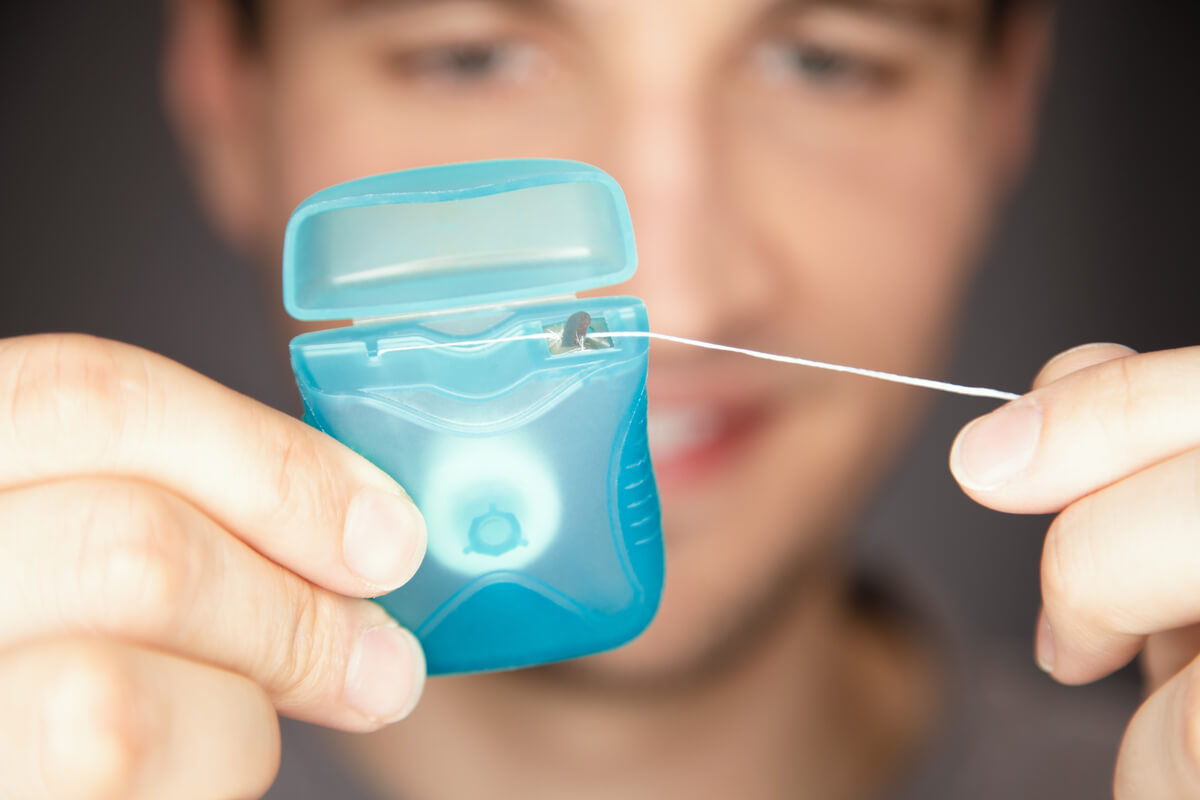
Proper Hand Positioning and Floss Tension
The way you hold the floss can make a significant difference in your flossing effectiveness and comfort.
The Wind-Up
Wrap most of the floss around your middle fingers, leaving about 5 centimetres (2 inches) of floss between your hands. This wrapping technique gives you better control and allows you to use a fresh section of floss as you move from tooth to tooth.
The Grip
Hold the floss tightly between your thumbs and forefingers. This creates tension in the floss, making it easier to guide between your teeth. Maintain this tension as you move the floss, but be careful not to apply too much pressure, which could damage your gums.
Technique for Flossing Between Teeth
Now for the main event – getting that floss between your teeth and doing its job effectively.
The Insertion
Gently guide the floss between your teeth using a rubbing motion. Never snap the floss into the gums, as this can cause damage and bleeding. If you’re having trouble getting the floss through a tight spot, try using a gentle back-and-forth motion to work it through gradually.
The C-Shape
Once the floss is between your teeth, curve it into a C-shape around each tooth. This shape helps the floss hug the tooth surface, ensuring more effective cleaning. Slide the floss up and down against the tooth surface and under the gumline.
The Scrape
As you move the floss up and down, use a scraping motion to remove plaque and food particles. Be thorough, but gentle – you’re not trying to saw your teeth in half!
Moving On
As you move to the next tooth, unwind a fresh section of floss from your finger. This ensures you’re always using a clean bit of floss and not just moving bacteria from one part of your mouth to another.
How to Floss Around Dental Work
If you have bridges, implants, or other dental work, you might need to adjust your flossing technique slightly.
Bridges
For bridges, use a floss threader or super floss to get under the artificial tooth. Thread the floss through the threader, then gently pass it under the bridge. Once under, you can floss normally around the adjacent teeth and along the gumline under the bridge.
Implants
When flossing around implants, be extra gentle. Use an up-and-down motion rather than a back-and-forth sawing motion to avoid irritating the gum tissue around the implant.
Braces
If you have braces, consider using a floss threader or orthodontic floss to get under the wires. Take your time and be patient – flossing with braces can be tricky, but it’s crucial for maintaining oral health during orthodontic treatment.
Common Mistakes to Avoid
Even with the best intentions, it’s easy to fall into some common flossing pitfalls. Here are some mistakes to watch out for:
Skipping Teeth
Make sure you’re flossing all your teeth, including the back side of your last molars. These hard-to-reach areas are prime spots for plaque build-up.
Flossing Too Roughly
While you want to be thorough, aggressive flossing can damage your gums and even your tooth enamel over time. Use gentle pressure and let the floss do the work.
Using Too Little Floss
If you’re not using a fresh section of floss for each tooth, you’re just moving bacteria around your mouth. Remember to wind the floss as you go to keep using clean sections.
Flossing at the Wrong Time
While it’s better to floss at any time than not at all, the ideal time is before bed. This removes the day’s build-up of plaque and food particles, giving your mouth a clean slate for the night.
Giving Up Too Soon
If your gums bleed when you start flossing regularly, don’t panic and stop. This is often a sign of gingivitis, and regular flossing can actually help resolve the issue. If bleeding persists after a couple of weeks of regular flossing, consult your dentist.
Remember, developing good flossing technique takes time and practice. Don’t get discouraged if it feels awkward at first – keep at it, and it will become second nature before you know it. If you’re unsure about your technique or have any concerns, don’t hesitate to ask your dentist or hygienist for a demonstration at your next check-up. They’ll be thrilled to see you taking your oral health seriously and will be happy to provide personalised advice.
By mastering proper flossing technique, you’re taking a significant step towards optimal oral health. Your teeth and gums will thank you for the extra care and attention, rewarding you with a healthier, more confident smile.
How Often Should You Floss?
Now that you’ve mastered the proper flossing technique, you might be wondering how often you should put your new skills to use. Let’s explore the recommended frequency for flossing, the best time to do it, and how to make it a consistent part of your daily routine.
Recommended Frequency: Once Daily is the Magic Number
When it comes to flossing, consistency is key. Dental professionals, including the British Dental Association, recommend flossing at least once a day.
Why Once a Day?
Flossing daily helps remove plaque before it has a chance to harden into tartar. Plaque starts to form on your teeth within hours of eating, and it can take as little as 24 to 72 hours for it to harden into tartar. By flossing once a day, you’re giving plaque the boot before it can cause trouble.
The Cumulative Effect
Regular flossing doesn’t just clean your teeth; it also helps maintain healthy gums. Over time, daily flossing can lead to reduced gum inflammation, decreased risk of cavities between teeth, and even fresher breath.
A Flossing Fun Fact
Did you know that by flossing daily, you’re cleaning about 40% of your tooth surfaces that brushing alone can’t reach? That’s a lot of extra cleaning power!
Best Time to Floss: Before or After Brushing?
The age-old question: should you floss before or after brushing? The truth is, both have their merits, and the best time is whenever you’ll do it consistently.
The Case for Flossing Before Brushing
Flossing before you brush can loosen plaque and food particles, allowing your toothbrush and fluoride toothpaste to clean more effectively. This method might also help you remember to floss, as you’ll want to remove any bits of food before brushing.
The Argument for Flossing After Brushing
On the other hand, flossing after brushing ensures that any particles dislodged by flossing are promptly brushed away. Some people also find it more satisfying to floss after brushing, feeling like they’re giving their teeth a final polish.
The Nighttime Advantage
Regardless of whether you choose to floss before or after brushing, many dentists recommend flossing at night. This removes the day’s accumulation of food particles and plaque, giving your mouth a clean slate while you sleep.
A Tip for Night Owls
If you tend to snack late in the evening, consider flossing after your last bite of the day. This prevents food particles from sitting between your teeth all night.
Addressing the “I Don’t Have Time” Excuse
One of the most common reasons people give for not flossing is lack of time. Let’s tackle this excuse head-on and explore ways to make flossing a manageable part of your daily routine.
The Two-Minute Truth
Proper flossing typically takes about two minutes. That’s less time than it takes to brew a cup of tea! When you consider the long-term benefits for your oral health, those two minutes become a very worthwhile investment.
Incorporating Flossing into Your Routine
The key to consistent flossing is making it a habit. Try these strategies to seamlessly integrate flossing into your daily life:
- Keep your floss visible: Store it next to your toothbrush as a visual reminder.
- Set a daily alarm: Use your phone to remind you to floss at the same time each day.
- Floss while multitasking: Try flossing while watching telly or listening to a podcast.
- Use floss picks: These can be easier to use on-the-go if you’re often rushed in the morning or evening.
The Convenience Factor
Keep floss in multiple locations – your bathroom, your desk drawer at work, your car, or your bag. This way, you always have the option to floss, even if you forget in your usual routine.
A Flossing Hack
If you really struggle to find time, try flossing just a few teeth each day, rotating through your mouth over the course of a week. While it’s not ideal, it’s better than not flossing at all!
The Long-Term Time Saver
Remember, the time you spend flossing now can save you significant time (and discomfort) in the dental chair later. Prevention is always quicker and less costly than treatment.
Establishing a regular flossing habit might take some effort initially, but it soon becomes second nature. Your future self will thank you for the healthy smile and the time saved on extensive dental treatments. If you’re still struggling to make flossing a habit, don’t hesitate to discuss it with your dentist or dental hygienist. They can offer personalised advice and perhaps suggest alternative tools that might work better for your lifestyle.
Remember, when it comes to flossing, consistency trumps perfection. Even if you can’t floss perfectly every day, doing your best to floss regularly will still yield significant benefits for your oral health. So grab that floss and give your teeth the care they deserve – your smile is worth it!
Overcoming Flossing Challenges
While flossing is crucial for maintaining good oral health, it’s not always smooth sailing. Many people face challenges that can make flossing difficult or uncomfortable. In this section, we’ll address some common flossing hurdles and provide practical solutions to help you maintain a consistent flossing routine, regardless of your specific dental situation.
Dealing with Sensitive Gums
If you experience discomfort or bleeding when flossing, you’re not alone. Sensitive gums are a common issue, but they shouldn’t stop you from flossing. Here’s how to tackle this challenge:
Gentle Technique
The key to flossing with sensitive gums is to be gentle. Avoid snapping the floss against your gums. Instead, use a slow, careful motion to guide the floss between your teeth and along the gumline.
Choose the Right Floss
Opt for a softer, waxed floss that glides more easily between teeth. Some flosses are specifically designed for sensitive gums and may be worth trying.
Consistency is Key
Believe it or not, regular flossing can actually help reduce gum sensitivity over time. As you remove plaque and bacteria, your gums become healthier and less prone to inflammation.
Warm Salt Water Rinse
After flossing, try rinsing with warm salt water. This can help soothe irritated gums and promote healing. Mix half a teaspoon of salt in a cup of warm water and gently swish it around your mouth.
When to Seek Help
If your gums continue to bleed or remain sensitive after a couple of weeks of gentle, regular flossing, it’s time to consult your dentist. This could be a sign of gingivitis or other gum issues that require professional attention.
Flossing with Braces or Other Orthodontic Appliances
Wearing braces or other orthodontic appliances can make flossing more challenging, but it’s even more important to maintain good oral hygiene during orthodontic treatment. Here are some strategies to make flossing with braces easier:
Use a Floss Threader
A floss threader is a flexible plastic tool that helps you guide floss under the main wire of your braces. It’s like a needle threader, but for your teeth!
How to Use a Floss Threader:
- Thread a piece of floss through the loop of the threader
- Gently push the pointed end of the threader under the archwire
- Pull the threader through, bringing the floss with it
- Now you can floss normally between these teeth
Try Orthodontic Floss
Specially designed orthodontic floss has a stiff end that can be threaded under braces wires, eliminating the need for a separate threader.
Consider a Water Flosser
Water flossers, also known as oral irrigators, can be particularly useful for people with braces. They use a stream of water to clean between teeth and around brackets, reaching areas that can be tricky with traditional floss.
Be Patient and Persistent
Flossing with braces will likely take longer than flossing without them. Set aside extra time and be patient with yourself as you learn these new techniques.
Solutions for Tight Contacts Between Teeth
If your teeth are very close together, you might find it difficult to get floss between them. Here are some strategies to tackle tight contacts:
Choose the Right Floss
Look for thin, waxed floss that’s designed to slide more easily between tight teeth. Dental tape, which is wider and flatter than traditional floss, can also be effective for some people with tight contacts.
Try a Sawing Motion
Instead of trying to force the floss straight down, use a gentle back-and-forth sawing motion to work the floss between your teeth. Be patient and avoid using too much force, which could damage your gums.
Consider Interdental Brushes
For some tight spaces, interdental brushes might be easier to use than traditional floss. These small, bristled brushes come in various sizes to fit different gaps between teeth.
Choosing the Right Size:
Start with the smallest size and work your way up until you find one that fits snugly but comfortably between your teeth. You might need different sizes for different parts of your mouth.
Explore Floss Alternatives
If traditional floss isn’t working for you, there are other options:
- Floss picks: These pre-threaded, Y-shaped tools can be easier to manoeuvre in tight spaces
- Water flossers: The pressurized water can often get between teeth that are resistant to traditional floss
- Soft picks: These are conical brushes with rubber bristles that can be gentler on tight contacts
Consult Your Dentist
If you’re consistently struggling with tight contacts, talk to your dentist. They can check if there are any underlying issues, such as tartar build-up, contributing to the problem. They might also be able to demonstrate techniques specific to your teeth.
Remember, overcoming flossing challenges often requires a bit of patience and experimentation. Don’t get discouraged if one method doesn’t work perfectly right away. Keep trying different techniques and tools until you find what works best for you. Your persistence will pay off in the form of healthier teeth and gums, and a brighter smile!
If you’re ever unsure about the best flossing method for your specific situation, don’t hesitate to ask your dentist or dental hygienist for advice. They can provide personalised recommendations and even demonstrate techniques during your next check-up. With the right approach, you can overcome these challenges and make flossing a successful part of your daily oral care routine.
Myths and Misconceptions About Flossing
Despite the well-established benefits of flossing, there are several myths and misconceptions that might be holding you back from making it a regular part of your oral hygiene routine. Let’s address some of the most common flossing fallacies and set the record straight with facts backed by dental science.
“Flossing Causes Gaps Between Teeth”
This is a widespread concern that often discourages people from flossing. Let’s examine why this myth is just that – a myth.
The Truth About Tooth Spacing
Flossing does not create permanent gaps between your teeth. The slight separation you might notice immediately after flossing is temporary and actually beneficial. This space allows for better cleaning and helps prevent the build-up of plaque and bacteria.
Understanding Tooth Anatomy
Your teeth are firmly anchored in your jawbone by roots and held in place by periodontal ligaments. These structures are far too strong to be moved by the gentle pressure of dental floss.
The Real Cause of Gaps
If you notice persistent or widening gaps between your teeth, it’s likely due to other factors such as:
- Gum disease causing bone loss
- Natural ageing processes
- Teeth grinding (bruxism)
- Orthodontic issues
The Benefits of Creating Space
The temporary space created by flossing allows for better circulation in your gums, promoting healthier tissue and potentially preventing gum recession. Far from being harmful, this space is a sign that you’re effectively cleaning between your teeth.
“Bleeding Gums Mean I Should Stop Flossing”
Many people interpret bleeding gums as a sign to stop flossing. However, this reaction often leads to worse oral health outcomes. Let’s understand why bleeding occurs and what it really means.
Understanding Gum Bleeding
Bleeding gums are often a sign of gingivitis, the early stage of gum disease. This condition is caused by plaque build-up along the gum line, leading to inflammation. When you start flossing, you’re disturbing this plaque, which can cause temporary bleeding.
The Importance of Persistence
Contrary to what you might think, bleeding gums are a reason to continue flossing, not to stop. Regular flossing helps remove the plaque causing the inflammation, allowing your gums to heal and become healthier over time.
The Two-Week Challenge
If you’re new to flossing or returning after a break, try this: Commit to gentle, daily flossing for two weeks. Most people find that any initial bleeding subsides as their gum health improves.
When to Seek Professional Help
While some initial bleeding is normal, persistent bleeding or pain when flossing could indicate a more serious issue. If bleeding continues after two weeks of consistent, gentle flossing, it’s time to consult your dentist.
“I Don’t Need to Floss if I Use Mouthwash”
Mouthwash can be a great addition to your oral hygiene routine, but it’s not a substitute for flossing. Let’s explore why mouthwash alone isn’t enough.
The Limits of Mouthwash
While mouthwash can reach areas that brushing might miss, it can’t physically remove plaque and food particles stuck between your teeth. Think of it like this: if you spilled something on your carpet, would you just pour cleaning solution over it, or would you scrub it as well?
The Mechanical Advantage of Flossing
Flossing provides a mechanical cleaning action that’s crucial for removing plaque and food debris. It physically dislodges and removes substances that mouthwash can only attempt to rinse away.
The Biofilm Factor
Plaque is actually a biofilm – a community of bacteria that adheres to surfaces. This sticky film needs physical disruption to be removed effectively, which is exactly what flossing provides.
Combining Methods for Optimal Results
Rather than choosing between flossing and mouthwash, the best approach is to use both as part of a comprehensive oral hygiene routine:
- Brush your teeth thoroughly
- Floss to remove plaque and debris between teeth
- Use mouthwash to rinse away loose particles and freshen your breath
Choosing the Right Mouthwash
If you do use mouthwash, opt for one that contains fluoride to help strengthen your tooth enamel. Always follow the instructions on the label, and remember that mouthwash is a supplement to, not a replacement for, brushing and flossing.
By dispelling these common myths about flossing, we hope you feel more confident in making it a regular part of your oral hygiene routine. Remember, flossing is a crucial step in maintaining healthy teeth and gums. If you have any concerns or questions about your flossing technique or oral health in general, don’t hesitate to discuss them with your dentist or dental hygienist. They’re there to help you achieve and maintain the best possible oral health.
Frequently Asked Questions About Flossing
As you embark on your flossing journey, you might have some questions or concerns. Let’s address some of the most common queries about this essential dental hygiene practice.
Can flossing damage my gums?
Many people worry about harming their gums when flossing. The truth is, when done correctly, flossing shouldn’t cause any damage. However, improper technique can lead to issues.
Gentle technique is key
Use a light touch when guiding the floss between your teeth. Avoid snapping the floss forcefully into your gums, as this can cause irritation or injury.
Proper floss movement
Once the floss is between your teeth, use a gentle up-and-down motion along the sides of each tooth. Don’t saw back and forth aggressively, as this can harm your gums.
When to seek advice
If you experience persistent pain or bleeding when flossing, consult your dentist. They can check your technique and ensure there are no underlying issues.
Is it normal for my gums to bleed when I start flossing?
It’s not uncommon for gums to bleed slightly when you first start flossing, especially if it’s been a while since you last did so. However, this shouldn’t be a long-term occurrence.
Initial bleeding is often temporary
If you’ve recently resumed flossing after a break, your gums might be more sensitive and prone to bleeding. This typically subsides within a week or two of regular flossing.
Signs of improvement
As you continue to floss daily, you should notice less bleeding. Your gums will become healthier and more resilient to the gentle pressure of the floss.
When to be concerned
If bleeding persists beyond two weeks of consistent, gentle flossing, or if it’s accompanied by swelling or pain, it’s time to visit your dentist. These could be signs of gum disease or other oral health issues.
How long should it take to floss properly?
The time needed to floss thoroughly can vary, but on average, it should take about two to three minutes to do a comprehensive job.
Quality over speed
Focus on cleaning between each tooth carefully rather than rushing through the process. It’s better to spend a bit more time and do it right than to rush and miss spots.
Factors affecting flossing time
The time needed can depend on factors like the number of teeth you have, the spacing between them, and your dexterity with flossing tools.
Incorporating flossing into your routine
Try to make flossing a regular part of your daily oral care routine. Whether you prefer to floss before or after brushing, consistency is key for maintaining good oral health.
Can children floss their teeth?
Yes, children can and should floss their teeth. However, they may need guidance and supervision, especially when first learning the technique.
When to start flossing
Children can start flossing as soon as they have two teeth that touch. This typically occurs around age 2 or 3, but can vary from child to child.
Teaching children to floss
Start by demonstrating the proper technique. You might need to help them floss until they develop the dexterity to do it on their own, usually around age 8 to 10.
Making flossing fun for kids
Consider using colourful floss picks or flossers designed for children. You can also turn flossing into a game or reward consistent flossing to encourage the habit.
Is it ever too late to start flossing?
It’s never too late to start flossing! Your oral health can benefit from flossing at any age, even if you haven’t been doing it regularly.
Benefits at any age
Whether you’re 18 or 80, incorporating flossing into your daily routine can help improve your gum health, reduce plaque buildup, and lower your risk of tooth decay.
Starting a new habit
If you’re new to flossing, start gently and be patient with yourself. It might feel awkward at first, but with practice, it will become easier and more comfortable.
Consulting your dentist
If you’re concerned about starting to floss later in life, speak with your dentist. They can provide personalised advice and demonstrate the proper technique for your specific needs.
Remember, flossing is a crucial part of your oral hygiene routine at any age. By addressing these common questions and concerns, we hope you feel more confident about incorporating regular flossing into your daily dental care. If you have any other questions or concerns about flossing, don’t hesitate to discuss them with your dentist during your next check-up.
When to Seek Professional Help
While flossing is a crucial part of your daily oral hygiene routine, there may be times when you need to consult a dental professional. Recognising when to seek help can prevent minor issues from becoming more serious problems. Let’s explore some situations where professional dental care is advisable.
Signs of gum disease or other oral health issues
Certain symptoms can indicate the presence of gum disease or other oral health concerns. Being aware of these signs can help you address potential problems early.
Persistent bad breath
If you notice a constant unpleasant taste in your mouth or persistent bad breath (halitosis) despite regular brushing and flossing, it could be a sign of gum disease or other oral health issues.
Swollen or tender gums
Gums that appear red, swollen, or feel tender to the touch may indicate gingivitis, an early stage of gum disease. Professional cleaning and improved home care can often reverse this condition.
Receding gumline
If your teeth appear longer than usual or you can see more of the root, your gums might be receding. This can be a sign of periodontitis, a more advanced form of gum disease that requires professional treatment.
Loose teeth
Adult teeth should not be loose. If you notice any movement in your teeth, especially when eating or brushing, consult your dentist promptly. This could indicate advanced gum disease or other serious issues.
Persistent bleeding or discomfort when flossing
While some initial bleeding when you start flossing is normal, ongoing issues with bleeding or pain require attention.
Prolonged bleeding
If your gums continue to bleed after two weeks of regular, gentle flossing, it’s time to see your dentist. This could indicate gum inflammation or the early stages of gum disease.
Pain or discomfort
Flossing shouldn’t be painful. If you experience persistent discomfort or sharp pain when flossing, especially around specific teeth, it could signal decay, infection, or other dental problems that need professional assessment.
Changes in gum colour
Healthy gums should be pink. If you notice areas of your gums becoming very red, white, or bluish-purple, especially if accompanied by pain or bleeding, consult your dentist. These colour changes can indicate various gum conditions or infections.
Difficulty flossing due to dental work or tooth alignment
Sometimes, dental work or the natural alignment of your teeth can make flossing challenging. In these cases, professional advice can help you maintain good oral hygiene.
Flossing around dental implants
If you have dental implants, you might find it tricky to floss around them effectively. Your dentist can demonstrate techniques or recommend special tools to help you clean these areas properly.
Navigating crowns and bridges
Flossing around crowns or bridges requires care to avoid dislodging them. If you’re unsure about the best way to clean these areas, ask your dentist for guidance. They might suggest interdental brushes or floss threaders to help.
Dealing with crooked or overlapping teeth
Misaligned teeth can make standard flossing techniques difficult. Your dentist can show you alternative methods or recommend orthodontic treatment if misalignment is affecting your oral hygiene.
Problems with tight contacts between teeth
If you find it hard to pass floss between certain teeth due to very tight contacts, don’t force it. Your dentist can check if there’s decay causing the tight fit and suggest appropriate cleaning methods or tools.
Remember, regular dental check-ups are essential for maintaining good oral health. Even if you’re diligent about flossing and don’t notice any immediate issues, visit your dentist at least twice a year for professional cleaning and examination. They can spot potential problems early and provide personalised advice on your oral care routine. If you’re ever in doubt about your oral health or have concerns about flossing, don’t hesitate to reach out to your dental practice for guidance.
Wrapping Up: Your Journey to Better Oral Health Through Flossing
We’ve covered a lot of ground in our exploration of flossing and its crucial role in preventive dentistry. Let’s take a moment to recap the key points and consider how you can use this information to enhance your daily oral care routine.
Key takeaways about flossing
As we’ve discussed, flossing is an essential component of your oral hygiene regimen. Here are the main points to remember:
Flossing removes hidden plaque
Flossing reaches areas between your teeth and along the gumline that your toothbrush can’t effectively clean. This helps prevent tooth decay and gum disease by removing plaque and food particles from these hard-to-reach spaces.
Proper technique matters
Using the correct flossing technique ensures you clean thoroughly without damaging your gums. Remember to use a gentle up-and-down motion along the sides of each tooth, rather than sawing back and forth.
Consistency is key
Flossing once daily is recommended for optimal oral health. Make it a habit by incorporating it into your daily routine at a time that works best for you, whether that’s morning, evening, or another convenient moment.
Various flossing tools are available
From traditional string floss to interdental brushes and water flossers, there are many options to suit different preferences and needs. Experiment to find what works best for you.
Making flossing a daily habit
Now that you understand the importance of flossing, it’s time to make it a consistent part of your oral care routine.
Set a daily reminder
Use your phone or a bathroom mirror sticky note to remind yourself to floss each day. Over time, it will become a natural part of your routine.
Start small and build up
If flossing feels daunting, begin with just a few teeth each day and gradually increase until you’re flossing your entire mouth.
Pair flossing with an existing habit
Link flossing to something you already do daily, like brushing your teeth or washing your face. This can help establish the habit more quickly.
Track your progress
Use a calendar or habit-tracking app to mark each day you floss. Seeing your streak grow can be motivating.
Your next steps: Schedule a dental check-up
While incorporating regular flossing into your routine is a fantastic step towards better oral health, it’s equally important to maintain regular dental check-ups.
Professional assessment
Your dentist can evaluate your oral health, spot any potential issues early, and provide personalised advice on your flossing technique and overall oral care routine.
Tailored recommendations
Based on your specific needs, your dentist might suggest particular flossing tools or techniques that could be most effective for you.
Addressing concerns
If you’re experiencing any difficulties with flossing or have questions about your oral health, a check-up is the perfect opportunity to discuss these with a professional.
Preventive care
Regular dental visits, combined with your improved at-home care routine, form a powerful strategy for preventing dental problems and maintaining a healthy smile.
By understanding the importance of flossing, mastering the technique, and making it a daily habit, you’re taking a significant step towards better oral health. Remember, it’s never too late to start flossing, and the benefits are well worth the effort. If you haven’t already, why not pick up some floss today and start incorporating this vital practice into your routine? And don’t forget to book that dental check-up – your teeth and gums will thank you for it!